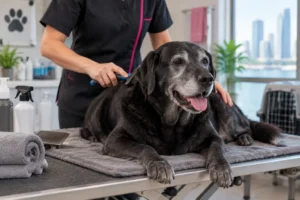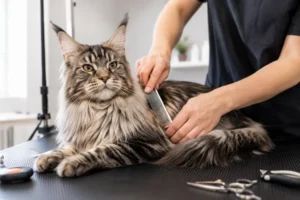
Grooming stress usually comes down to unfamiliarity, not dislike of grooming itself. Gradually socializing your pet to touch, tools, and handling, starting young if possible, using treats and short sessions, turns grooming from a battle into a routine most pets genuinely tolerate, or even enjoy.
There’s a particular kind of dread that sets in the moment the brush comes out and a dog bolts under the bed, or a cat flattens itself against the floor and refuses to make eye contact. It’s a scene a lot of pet owners know well: the good intentions of a bath or a nail trim quickly turning into a wrestling match nobody wanted. It’s easy to assume the pet just “hates grooming,” full stop. More often, though, it’s not the grooming itself, it’s the unfamiliarity of it. Paws being held, ears being touched, a strange buzzing sound near their head, none of that comes naturally to an animal that hasn’t been gradually introduced to it.
The good news is that this is almost always fixable, and it doesn’t require anything dramatic. This guide walks through how to socialize your pet specifically for grooming, whether you’re starting with a young puppy or trying to rebuild trust with an adult pet who’s already had a few rough grooming experiences.
Why Socialization Matters for Grooming
Socialization is the process of gently introducing a pet to new experiences in a positive, low-pressure way. It matters for behavior generally, but for grooming specifically, it’s often the difference between a calm, cooperative session and one that ends in stress for everyone involved. Pets who are comfortable being touched are simply easier and safer to groom, with far less chance of a fear-driven reaction.
Poor socialization can lead to:
- Excessive fear or panic during grooming
- Biting or scratching out of self-defense, not aggression
- Increased stress and a real risk of injury, to pet or groomer
- A pet that starts refusing grooming altogether over time
The reassuring part is that proper socialization builds a real sense of security, and it’s genuinely never too late to start, even with an adult pet who’s already had negative experiences.
Step-by-Step Guide to Grooming Socialization
1. Start Early and Keep It Short
If possible, begin during the puppy or kitten stage. Keep sessions short, gentle, and low-pressure. Focus on getting them comfortable being touched on the paws, ears, tail, and belly, the exact areas that get handled most during a real grooming session.
2. Use Positive Reinforcement
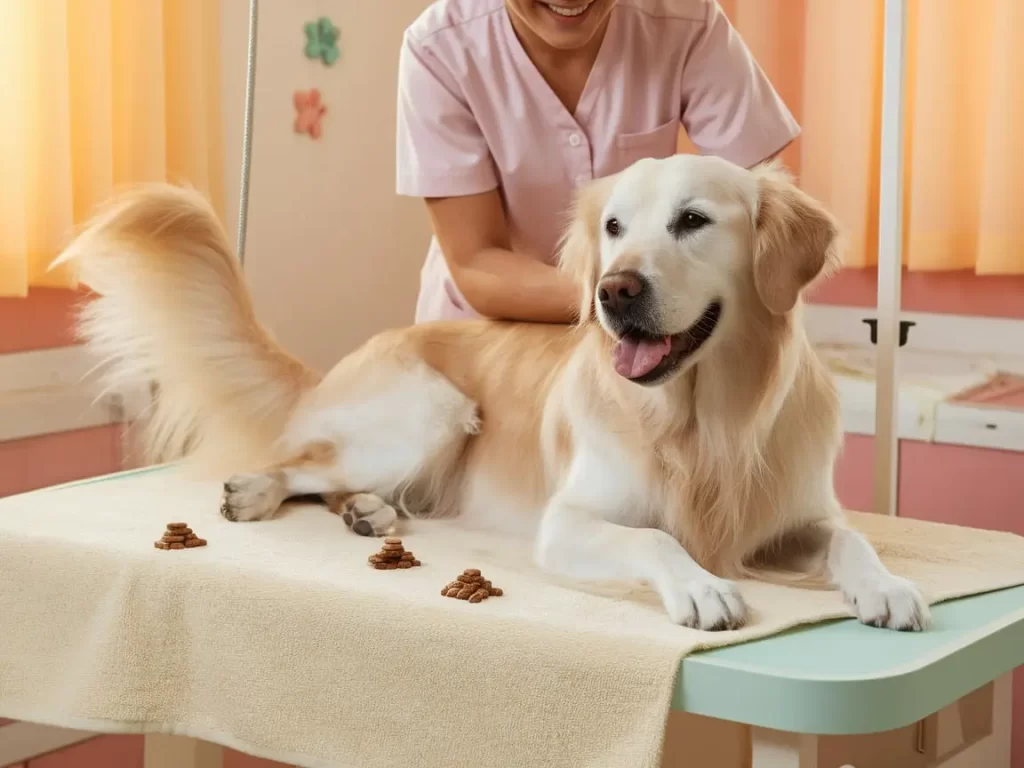
Reward calm behavior with treats, praise, or play, and never force an interaction. The goal is building a genuine positive association with grooming tools and handling, not just tolerance through repetition.
3. Introduce Tools Gradually
Let your pet sniff and inspect brushes, combs, and nail clippers before anything actually touches their fur. Turning on clippers or a dryer nearby, without contact, helps desensitize them to the sound well before it’s paired with an actual grooming session.
4. Simulate the Grooming Process
Practice the motions at home: brushing, holding paws, gently touching ears, lifting the tail. Keep it brief, and reward cooperation every time, even for a few seconds of calm tolerance.
5. Practice in Different Environments
Vary the location occasionally, a table, the floor, the bathroom, so your pet learns to stay calm regardless of setting. This becomes especially useful if you book mobile grooming in Dubai, where a groomer comes directly to your home, since a pet already comfortable with handling in familiar spaces tends to adjust faster to a new groomer too.
Pro Tips for Success
- Stay calm: Pets pick up on your energy more than you’d expect. A soft voice and confident, unhurried movements go a long way.
- Read body language: Lip licking, yawning, or stiffening are all early stress signals. Taking a short break at the first sign of this prevents things from escalating.
- Use calming tools: Pheromone sprays, calming music, or an anxiety vest can genuinely help some pets stay more settled during grooming.
- Consider professional help: If grooming remains a real struggle despite consistent effort, a trainer or veterinary behaviorist can offer strategies tailored specifically to your pet.
Real-Life Benefits
Well-socialized pets tend to be:
- Easier to handle overall, not just during grooming
- More cooperative during vet visits too
- Noticeably less stressed in day-to-day handling situations
- Better groomed and healthier-coated, simply because regular care becomes possible
Over time, grooming shifts from something to brace for into something closer to routine, sometimes even a moment of bonding rather than a battle. Your pet ends up looking, and genuinely feeling, their best.
Frequently Asked Questions
Can I still socialize an adult pet that’s already afraid of grooming?
Yes, it takes more patience than starting with a puppy or kitten, but gradual, positive exposure works at any age. Progress is usually slower, but it’s absolutely achievable.
How long does grooming socialization usually take?
It varies widely by pet, but most owners see noticeable improvement within a few weeks of short, consistent sessions, full comfort can take longer for pets with a history of negative grooming experiences.
What if my pet still panics despite consistent socialization efforts?
That’s a sign it’s worth bringing in a professional groomer or veterinary behaviorist, since persistent panic despite good-faith effort often points to something a trained specialist can address more directly.
Does professional grooming help with socialization, or does it need to happen at home first?
Both work together well. Home practice builds baseline comfort with touch, while a patient, experienced professional groomer can reinforce that positive association in a real grooming setting.
Conclusion
Whether you handle grooming yourself or rely on professionals like pet grooming in Abu Dhabi, grooming can genuinely become a calm, routine part of your pet’s life. Socialization is the piece that gets you there, not a shortcut, but a real, worthwhile investment in your pet’s comfort long-term.
And yes, before you ask, we’re aware of the age-old debate. When it comes purely to grooming tolerance, dogs do tend to have the edge, generally a bit easier to socialize and a bit more patient with the process. Just one more (lighthearted) point in the “why dogs are better than cats” debate, cat owners, we still love you too.