
Periodontal disease is one of the most under-diagnosed conditions in cats, largely because it develops silently, with few visible symptoms until it reaches an advanced stage. By the time an owner notices bad breath, drooling, or reluctance to eat, significant damage to the gums and supporting bone structure may have already occurred.
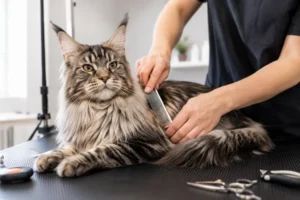
This is where grooming plays a role that goes beyond appearance. A thorough grooming session involves close, hands-on contact with a cat’s mouth, gums, and teeth, making it one of the most consistent opportunities to catch early warning signs before they progress. Regular pet grooming in Dubai sessions can help identify these changes early, well before they lead to tooth loss, chronic pain, or more serious systemic health issues.
In this post, we’ll break down how periodontal disease develops in cats, the early signs to watch for, and why consistent grooming should be treated as part of a cat’s preventive health routine, not just a cosmetic routine.
What is Periodontal Disease in Cats?
Periodontal disease occurs when bacteria build up on your cat’s teeth, leading to gum inflammation, infection, and damage to the tissues that support the teeth. Cats are naturally prone to plaque and tartar buildup, especially as they age.
Early signs can be subtle, which is why regular observation during grooming matters so much:
- Mild bad breath
- Red or swollen gums
- Drooling or difficulty eating
- Loose or broken teeth
- Pawing at the mouth
From my experience, spotting these signs early through routine Cat grooming in Dubai has saved my cats from more serious dental interventions.
Why Grooming Is a Key Tool for Early Detection
Many pet owners focus only on brushing and fur maintenance, but grooming is also one of the best chances you get to check for oral health problems. Here’s how:
1. Visual Examination of Teeth and Gums
While grooming your cat, gently lift their lips and inspect the teeth and gums. Look for:
- Tartar buildup along the gum line
- Red, inflamed, or bleeding gums
- Missing or broken teeth
I once noticed a small patch of redness in my cat’s gums during a routine grooming session. A vet visit confirmed early-stage periodontal disease, which was treated successfully with a professional cleaning and at-home dental care. A visual check like this is a useful early-warning sign, but it’s not a diagnosis, a vet exam is still the only way to confirm what’s going on. which was treated successfully with professional cleaning and at-home dental care.
2. Observing Behavior During Grooming
Cats often reveal discomfort through behavior. While grooming around the face, watch for:
- Pulling away or resisting touch
- Pawing at the mouth
- Reduced appetite for hard food
These subtle signals can point to early gum inflammation or tooth pain that might otherwise go unnoticed.
3. Detecting Bad Breath and Unusual Odors
Grooming brings you closer to your cat’s face, allowing you to notice persistent bad breath. Halitosis is one of the most common early signs of periodontal disease. By recognizing it early, you can schedule a vet check before the problem escalates.
Practical Tips to Incorporate Dental Checks Into Grooming
Here’s the routine I follow to make sure oral health never gets overlooked during grooming:
- Groom consistently: 2–3 times a week to spot changes early
- Use a gentle approach: Soft brushes and calm handling reduce stress
- Introduce dental toys and treats: They help reduce plaque naturally
- Maintain a health log: Note any changes in gums, teeth, or eating habits
- Schedule regular vet check-ups: Annual dental exams can catch problems early
These small adjustments help you catch periodontal disease early, improve your cat’s quality of life, and lower the risk of serious dental problems down the line.
Why Early Detection Matters
I can’t stress enough how much of a difference early detection makes when it comes to your cat’s dental health. Cats are experts at hiding pain, and by the time visible symptoms appear, dental problems may already have progressed significantly. Through consistent grooming routines and careful observation, early signs of dental discomfort, changes in behaviour, or overall health concerns can be noticed sooner.
Regular professional care, including mobile grooming Dubai, can be especially helpful for cats that become stressed during travel or unfamiliar environments. Grooming sessions provide an opportunity to monitor your cat’s coat, skin, and general condition while creating a comfortable routine that supports their wellbeing.
Early intervention does not just help prevent tooth loss. It can also reduce the risk of complications linked to untreated dental problems, including potential impacts on overall health. Maintaining consistent grooming and veterinary care gives your cat a better chance of staying comfortable, healthy, and happy.
Conclusion
Grooming is far more than a beauty routine; it’s a vital part of your cat’s healthcare. By observing teeth, gums, and behavior during grooming sessions, you can detect periodontal disease early and take proactive steps to maintain your cat’s dental health.
From my experience, combining regular grooming with proper dental care and vet check-ups ensures your feline companion stays happy, healthy, and pain-free, while knowing how to cure mange in cats safely can help address other common health concerns early.
Remember: Early detection is key. Your hands-on attention during grooming can make all the difference in preventing serious dental problems.
Frequently Asked Questions
Can grooming really help detect periodontal disease in cats?
Yes. Grooming gives you close, regular access to your cat’s mouth and face, making it easier to notice early signs like bad breath, red gums, or discomfort often before the disease becomes obvious.
What are the earliest signs of periodontal disease in cats?
The earliest signs are usually mild bad breath, slightly red or swollen gums, and subtle behavior changes like pawing at the mouth or hesitating to eat hard food.
How often should I check my cat’s teeth and gums?
Checking during grooming sessions 2–3 times a week is a good routine. This makes it easier to notice small changes before they become bigger problems.
Is bad breath always a sign of dental disease in cats?
Not always, but persistent bad breath is one of the most common early warning signs of periodontal disease and is worth mentioning to your vet if it doesn’t go away.
Can periodontal disease affect a cat’s overall health, not just their teeth?
Yes. Left untreated, it can contribute to secondary health issues, including problems with the heart, liver, and kidneys, since bacteria from the mouth can spread through the bloodstream.