Cats are fascinating creatures, often leaving their human companions puzzled by their quirky habits. One of the most endearing and mysterious behaviors is kneading—when cats rhythmically push their paws into a soft surface, almost like they’re “making biscuits.” But why do cats knead, and what does it reveal about their instincts, comfort, and bond with humans? Let’s dive into the science, history, and meaning behind this adorable feline ritual.
What Is Cat Kneading?
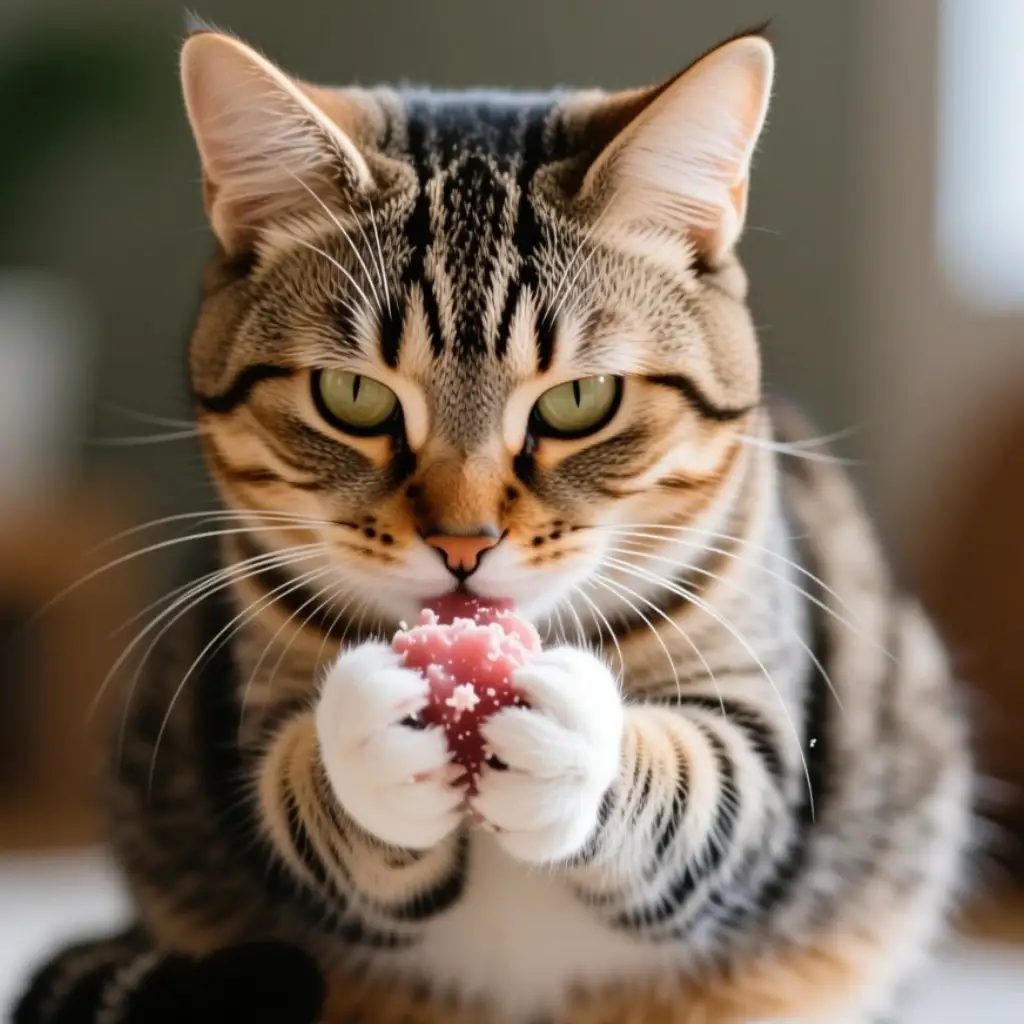
Kneading is a natural motion where cats push their paws in and out against a surface, alternating between left and right. This is usually done on soft areas like blankets, cushions, or even their owner’s lap. Many cats purr while kneading, creating a sense of calm and comfort for both the cat and the human.
The Evolutionary Origins of Kneading
Kittens instinctively knead their mother’s belly to stimulate milk flow during nursing. This motion becomes associated with nourishment, security, and warmth. As cats grow older, the behavior often continues into adulthood—not because of milk, but because it evokes a sense of safety and contentment.
Comfort and Security
When cats knead on their owners, it’s usually a sign of affection and trust. Just as humans use touch to bond, cats use kneading to show they feel safe and comfortable. It’s their way of marking you as part of their family. This is also closely linked to why many pet parents say their cats knead right before curling up for a nap—it helps them create a sense of belonging.
Marking Territory
Cats have scent glands in their paws, and kneading releases pheromones. When they knead on furniture, beds, or people, they’re not just being cute—they’re actually marking their territory. This explains why some cats choose the same spot repeatedly; it’s a familiar, safe, and scent-marked zone.
Why Cats Knead Their Owners
If your cat kneads you, take it as a compliment. This behavior means they associate you with comfort, trust, and love. Some cats even drool while kneading, which further ties back to the nursing instinct. In essence, your lap becomes their safe haven. This also ties into why cats like to be petted—both petting and kneading strengthen the emotional connection between cats and humans.
Kneading and Grooming Connections
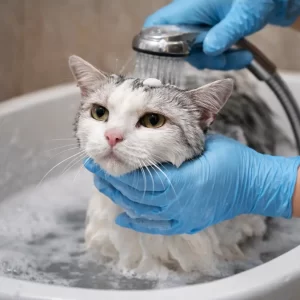
While kneading is different from grooming, both are behaviors linked to comfort and well-being. For example, regular grooming sessions help reduce stress and improve trust. In cities with rising pet culture, services like Pet Grooming Abu Dhabi provide professional care to ensure cats stay healthy and happy. Just like kneading, grooming is more than just physical—it’s an emotional bond.
With the busy lifestyle of many pet owners, options such as Mobile Grooming Dubai are becoming popular, offering convenient at-home services that reduce stress for pets and provide comfort right in their familiar environment.
The Role of Relaxation and Sleep
Cats often knead before lying down. This habit comes from wild ancestors who would pat down grass or foliage to create a soft sleeping spot. Even though today’s domestic cats enjoy cozy beds or sofas, the instinct remains strong.
Kneading and Human Bonding
For many cat owners, kneading can feel like a massage. But for cats, it’s a vital way of showing love and bonding with their humans. Think of it as their version of saying, “I trust you.” This is also why professional grooming services, such as Cat Grooming Abu Dhabi, emphasize trust-building as part of their care routines. When a cat kneads or allows grooming, it shows complete emotional security.
Some owners even combine grooming with a pet home service in Dubai, ensuring their cats receive care, relaxation, and attention without needing to travel. This makes the experience stress-free and more enjoyable for pets.
When Kneading Becomes Excessive
While kneading is generally harmless, some cats can become overly enthusiastic. Sharp claws may cause discomfort, or constant kneading could indicate stress or medical issues. In such cases, trimming their nails regularly and ensuring they have enough toys and comfort spots can help balance the behavior.
How to Encourage Healthy Kneading
- Provide soft surfaces: Give your cat cozy blankets or cushions to knead.
- Keep claws trimmed: Regular nail care prevents accidental scratches.
- Respect their space: Never force or interrupt kneading; it’s a calming ritual.
- Create bonding routines: Playtime, grooming, and gentle petting deepen trust.
Conclusion
So, why do cats knead? From evolutionary instincts to comfort, bonding, and marking territory, kneading is a complex yet heartwarming behavior that highlights the depth of the human-cat relationship. When your feline friend rhythmically presses their paws into your lap, it’s more than just a habit—it’s a sign of love, trust, and emotional connection.
By understanding behaviors like kneading, you not only strengthen your bond with your cat but also ensure their overall well-being. Whether through grooming, play, or simply letting them knead away, every moment is a reminder of the unique bond you share. And with the availability of modern services like mobile grooming and pet home service, caring for your furry friend has never been easier.