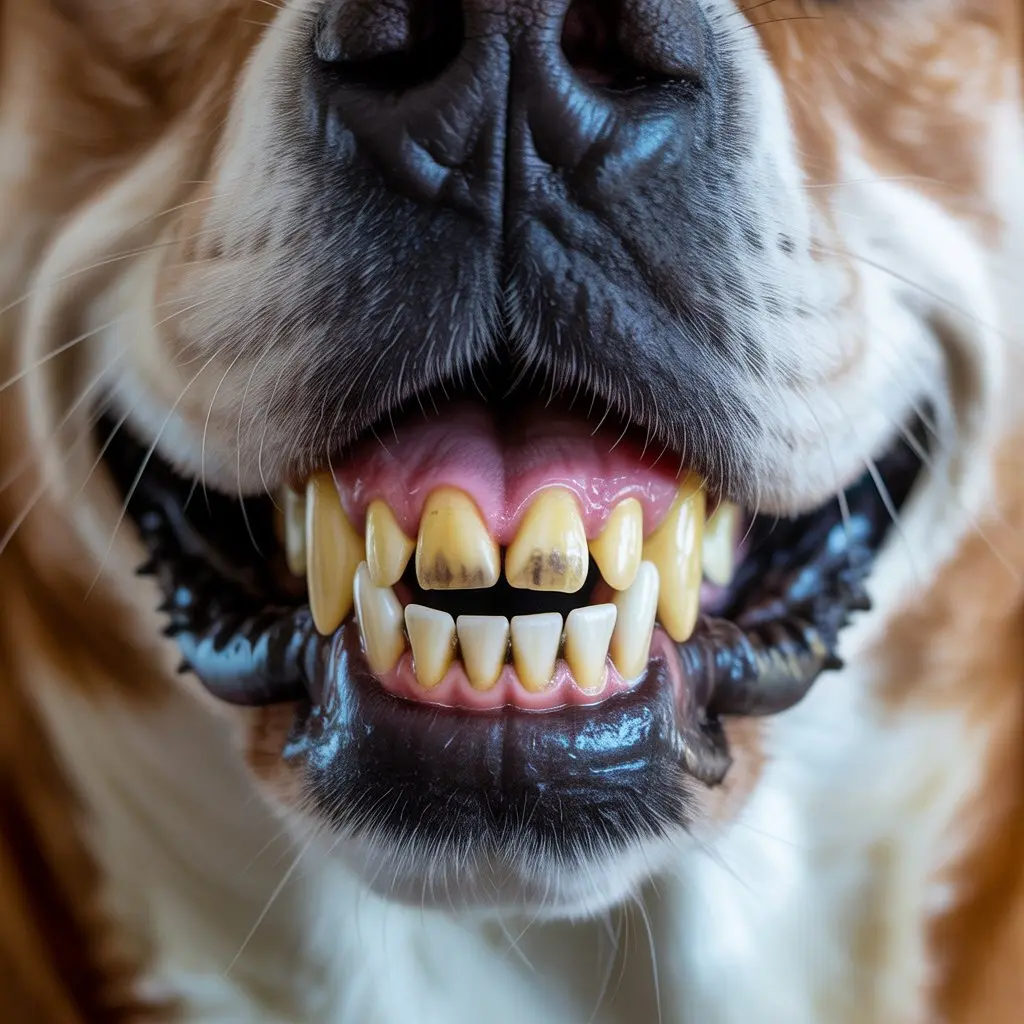
Six months ago, I noticed Jacky yawning one evening and sat up straight: his front teeth, once bright white, had turned a dull yellow with a thin brownish line along the gumline. I figured it was just staining from his chew toys.
I was wrong. A closer look, and a quick conversation with a groomer, told me it was tartar, hardened plaque that had been building up quietly for months. That evening changed how I treated Jacky’s dental care. Brushing stopped being optional and became part of his routine, just like his walks and meals.
Within a few weeks of consistent care, using tips from routines followed at Pet Grooming Abu Dhabi, Jacky’s teeth noticeably lightened, and his breath stopped making me wince.
That’s why I put this guide together. If you’ve noticed the same yellowing on your dog and aren’t sure whether it’s normal wear, tartar, or something needing a vet’s attention, here’s what I learned about why it happens and how to handle it at home.
Understanding Why Dog Teeth Turn Yellow
Before diving into cleaning techniques, it’s important to know why your dog’s teeth may be yellow:
- Plaque and Tartar Buildup: Food particles and bacteria accumulate over time, forming a yellowish layer on teeth.
- Dietary Habits: Dogs who eat soft food or table scraps are more prone to discoloration.
- Age: Older dogs naturally develop more plaque and tartar.
- Health Issues: Certain illnesses can affect oral hygiene, causing discoloration.
Regularly inspect your dog’s mouth for early signs of dental problems. Yellow teeth aren’t just cosmetic; they may indicate underlying oral health issues.
Tools You Need for Cleaning Yellow Dog Teeth at Home
Cleaning your dog’s teeth safely requires the right tools:
- Dog Toothbrush: Soft-bristled brushes designed for dogs minimize gum irritation.
- Dog Toothpaste: Never use human toothpaste; ingredients like fluoride can be toxic to dogs.
- Dental Chews: Chews help reduce plaque and tartar naturally.
- Water Additives (Optional): Safe oral rinses can complement brushing by reducing bacteria.
Step-by-Step Guide to Cleaning Yellow Dog Teeth
Cleaning your dog’s teeth at home can be simple if done carefully:
1. Prepare Your Dog
- Choose a calm environment.
- Gently lift your dog’s lips to examine teeth.
- Reward them with praise or treats to create a positive association.
2. Brushing Technique
- Place a light coating of dog-safe toothpaste on the toothbrush.
- Brush in gentle, circular motions. Focus on the gum line and yellow areas.
- Aim for 2 to 3 minutes per session, at least 2 to 3 times a week.
3. Use Dental Chews and Toys
- Offer chews that are designed to reduce tartar and strengthen teeth.
- Chewing helps mechanically remove plaque from the surface of teeth.
4. Diet Adjustments
- Incorporate dry kibble or dental-specific dog food to reduce plaque buildup.
- Avoid sugary treats that contribute to yellowing and decay.
From my experience with my dog Jacky, keeping up with these routines, and some helpful guidance from Dog Grooming in Abu Dhabi has really improved his dental health and kept his teeth looking clean.
When to See a Vet
Some yellowing may require professional intervention:
- Persistent yellow or brown buildup that doesn’t improve with home care.
- Bad breath, bleeding gums, or pain while chewing.
- Loose or missing teeth.
A veterinarian can perform professional cleaning and check for underlying dental diseases. Regular vet visits also reinforce your dog’s overall health.
Additional Tips for Maintaining Healthy Dog Teeth
- Schedule routine at-home brushing sessions.
- Change dental chews and toys regularly to maintain your dog’s curiosity.
- Avoid giving hard bones that can break teeth.
- Monitor your dog’s mouth for swelling, redness, or bleeding.
Conclusion
Cleaning yellow dog teeth at home is achievable with patience, the right tools, and consistent care. Regular brushing, proper diet, and dental chews can help your dog maintain a bright, healthy smile. It also helps to stay aware of the Signs Your Dog Needs Immediate Grooming, especially when oral issues appear alongside other changes in behavior or hygiene. Always monitor for warning signs and consult your vet when needed. With a little effort, you can keep your furry friend’s teeth strong, clean, and free from yellowing.
Frequently Asked Questions
Can yellow dog teeth be reversed at home?
Mild plaque and early tartar can often be improved with consistent brushing, dental chews, and diet changes. Heavier tartar usually needs a professional cleaning.
How often should I brush my dog’s teeth?
2–3 times a week is a good baseline for most dogs. Daily brushing is even better if your dog tolerates it well.
Is it normal for older dogs to have yellow teeth?
Some yellowing is common with age, but persistent buildup, bad breath, or gum changes should still be checked by a vet.
What should I avoid using to clean my dog’s teeth?
Never use human toothpaste, baking soda, or vinegar. Stick to products made specifically for dogs.