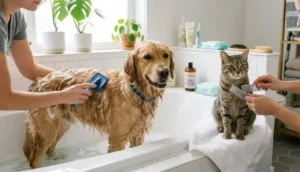

Dog paw cleaning after a walk is simple: remove loose dirt, wipe or rinse the paws with lukewarm water, and dry carefully between the toes. A damp cloth is usually enough for dusty paws, while sand and mud may need a thorough rinse.
Whether your dog walks along Dubai’s sandy paths, explores parks in Abu Dhabi, or plays outdoors after rain, keeping its paws clean helps remove trapped debris and reduce irritation.
A proper dog paw cleaning routine doesn’t require expensive products or frequent shampooing. The key is choosing the right cleaning method for the dirt your dog has picked up.
This guide explains how to clean dog paws after walks, remove stubborn sand and mud, choose safe cleaning products, and recognise when your dog needs additional paw care.
“The key is choosing the right cleaning method for the dirt your dog has picked up.”
What Should You Use to Clean Your Dog’s Paws?
Both methods are useful, but the best choice depends on what your dog has walked through.
| Paw condition | Recommended cleaning method |
| Light dust | Damp cloth or dog-safe wipe |
| Dry dirt | Soft cloth, followed by wiping if needed |
| Mud | Lukewarm water rinse |
| Beach sand | Brush off loose sand, then rinse |
| Saltwater residue | Thorough freshwater rinse |
| Sticky or unknown chemical residue | Prevent licking and seek veterinary advice promptly |
For ordinary cleaning, plain water is often all you need.
Why Should You Clean Your Dog’s Paws After Every Walk?
Your dog’s paw pads come into direct contact with the ground. During outdoor walks, they may pick up dust, sand, mud, grass, and other debris.
Cleaning dirty paws helps:
- Remove grit that may irritate the skin.
- Prevent mud and sand from becoming trapped between the toes.
- Reduce outdoor dirt and residue brought into your home.
- Keep the fur around the paws clean and manageable.
- Make cuts, swelling, or other paw problems easier to notice.
Dogs with sensitive skin may also benefit from removing environmental allergens after outdoor activity. Gentle paw cleaning is one part of managing skin sensitivities and pet allergies, although it does not replace veterinary treatment.
Not every walk requires washing. A quick inspection may be enough when your dog’s paws are already clean.
How to Clean Your Dog’s Paws After a Walk: Step by Step
For everyday paw cleaning, you only need a clean towel, lukewarm water, and a soft cloth or dog-safe wipe.
Step 1: Check the Paws Before Cleaning
Gently lift each paw and look for loose dirt, small stones, grass seeds, or debris.
Check the spaces between the toes and around the paw pads. If you notice a cut, swelling, or an embedded object, avoid scrubbing the affected area.
Step 2: Remove Loose Dirt
Use your hands, a soft cloth, or a gentle brush to remove dry dust and loose particles.
For sandy paws, brushing away loose grains before adding water can make rinsing easier.
Avoid rubbing aggressively, as gritty material may irritate the skin.
Step 3: Wipe or Rinse With Lukewarm Water
Choose the cleaning method based on how dirty your dog’s paws are.
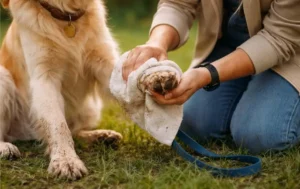
For light dust, use a damp cloth or fragrance-free dog paw wipe. For mud, sand, or stubborn dirt, rinse each paw using lukewarm water. A shallow bowl or gentle stream of water works well.
Carefully clean around the pads and between the toes without forcing them apart.
For lightly dusty paws, a slightly damp microfibre cloth is usually enough. Gently wipe the paw pads and between the toes without soaking the feet. If the paws are already clean, there’s no need for additional rinsing or shampoo.
Step 4: Dry Between the Toes
Use a clean, absorbent towel to dry each paw thoroughly.
Pay particular attention to the spaces between the toes, where moisture can remain trapped and contribute to irritation.
Avoid vigorous rubbing, especially if your dog has sensitive skin.
Step 5: Inspect the Pads Again
Once the paws are clean, check for redness, cracks, cuts, or areas your dog seems reluctant to let you touch.
If everything looks normal, reward your dog for remaining calm and allow it to continue its usual activities.
This simple routine is suitable for most dogs with ordinary dirt on otherwise healthy paws.
What If Sand Is Trapped in Your Dog’s Paw Hair?
Dogs with long or curly fur may collect fine sand around their paw pads and between their toes. Even after rinsing, small particles can remain caught in the hair.
Separate the paw hair gently with your fingers, rinse away remaining grains, and dry the area thoroughly. If the fur is tangled, avoid pulling or cutting close to the pads with household scissors.
Regular paw hair trimming can make cleaning easier, particularly for dogs that frequently visit beaches or sandy outdoor areas.
How to Clean Your Dog’s Paws After Walking on Sand
Sand is a common concern for dogs in Dubai, Abu Dhabi, and Al Ain. Fine grains can collect between the toes, around the nails, and within long fur.
After a beach visit or sandy walk:
- Gently brush away loose, dry sand.
- Rinse the paws with fresh water to remove remaining grains and saltwater.
- Check between the toes for trapped sand, shells, or sharp objects.
- Pat the paws dry, including the spaces between the pads.
- Check whether sand has also collected around the legs and belly.
If your dog has walked through saltwater, rinsing with fresh water helps remove salt residue that may irritate the skin.
Can Sand Hurt Your Dog’s Paws?
Ordinary sand is not necessarily harmful, but hot sand can burn paw pads. Trapped grit or sharp debris can also cause discomfort.
In the UAE, pavement and sand may become dangerously hot during sunny weather. Choose cooler walking times and avoid surfaces that feel uncomfortable to touch.
For dogs regularly walking outdoors in summer, preventing burns is as important as cleaning afterward. The risk of hot pavement injuries to dog paws is particularly relevant in Dubai’s climate.
If your dog is limping, has blisters, or appears to have burned its paw pads, contact a veterinarian promptly.
How to Clean Muddy Dog Paws Without Giving a Bath
Muddy paws do not usually require a full-body bath.
If the mud is still wet, gently rinse the paws with lukewarm water. For dried mud, allow it to soften with water before removing it with a soft cloth.
A shallow basin makes cleaning easier, particularly when mud is trapped around the nails.
Avoid pulling hardened mud from long paw hair because it can tug painfully on the skin.
Once the dirt is removed, dry the paws thoroughly.
If your dog’s lower legs or belly are also muddy, clean those areas separately rather than bathing the entire coat unnecessarily.
Can You Use a Dog Paw Washer Cup?
A dog paw washer cup can be useful for muddy paws. These containers typically have soft silicone bristles that help loosen dirt when the paw is placed inside.
Use clean, lukewarm water and move the cup gently according to the product instructions.
Do not force a dog’s paw into the cup or use it over injured or irritated skin.
Rinse away any remaining dirt and dry the paws afterward. A paw washer is a convenient tool, but it is not essential.
Can You Use Baby Wipes on Dog Paws?
Dog-specific wipes are generally a better option.
Some baby wipes contain fragrances, preservatives, or other ingredients that may irritate sensitive skin, especially when dogs lick their paws afterward.
Choose fragrance-free, alcohol-free wipes labelled as safe for dogs.
Do not use disinfecting wipes, household cleaning wipes, or products containing harsh chemicals.
How Often Should You Clean Your Dog’s Paws?
Check your dog’s paws after every outdoor walk, but clean them according to their condition.
- After a dusty walk: A quick wipe may be sufficient.
- After a muddy walk: Rinse away the dirt.
- After a beach visit: Remove sand and saltwater with fresh water.
- After walking on clean, dry surfaces: An inspection may be enough if the paws are already clean.
Dogs that go outside several times daily do not necessarily need multiple full washes.
Excessive washing, especially with shampoo, can dry the skin and cause irritation.
The goal is to remove unwanted debris without disturbing the paw pads unnecessarily.
Should You Use Shampoo to Clean Dog Paws?
Most routine paw cleaning can be done with plain water.
A small amount of dog-safe shampoo may help when the paws are heavily soiled and water alone is insufficient. Rinse thoroughly afterward to prevent product residue.
Avoid human shampoo, dishwashing liquid, and strong antiseptic cleansers unless specifically recommended by your veterinarian.
If your dog’s paws are persistently itchy, red, or unusually smelly, shampooing repeatedly is unlikely to resolve the underlying cause.
How to Keep Your Dog’s Paws Clean Between Walks
A few simple habits can make routine paw cleaning easier.
Keep Paw Hair Under Control
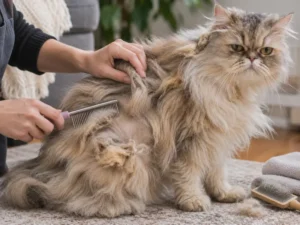
Dogs with long or curly coats often develop excess hair around their paw pads. This fur can trap mud, sand, and outdoor debris, making everyday cleaning more difficult.
Keeping paw hair neatly trimmed helps reduce buildup and makes it easier to inspect the pads. Avoid using household scissors close to the skin, especially if your dog moves during handling.
For dogs that need professional trimming, dog grooming in Abu Dhabi can help maintain paw hair, nails, and overall coat hygiene.
Maintain a Small Cleaning Station
Keep a towel, soft cloth, and container of clean water near your entrance.
This makes it easier to clean dirty paws immediately without carrying mud or sand throughout your home.
Protect Paws From Hot Surfaces
Choose cooler walking times and suitable surfaces during hot weather.
Properly fitted dog boots may provide additional protection when appropriate, but dogs should be introduced to them gradually.
Paw balm may help some dogs with mild dryness, but it cannot prevent burns from hot pavement or sand.
Make Paw Handling Comfortable
Some dogs dislike having their feet touched.
Start by briefly touching a paw, rewarding calm behaviour, and gradually introducing the towel or cleaning tool.
Keep sessions short and stop if your dog becomes distressed or shows signs of pain.
When Do Dirty Dog Paws Need Professional Grooming?
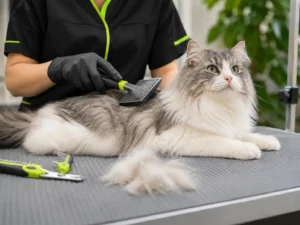
Everyday paw cleaning is usually manageable at home. However, dogs with thick paw hair, recurring tangles, or dirt trapped close to the pads may benefit from professional grooming.
A groomer can help maintain excess paw hair, provide appropriate nail care, and make routine paw cleaning easier between appointments.
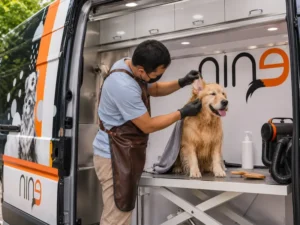
For owners who prefer grooming at their location, mobile pet grooming in Dubai offers a convenient option for regular coat and paw maintenance.
When Should You See a Vet About Your Dog’s Paws?
Not every paw problem is caused by dirt.
Contact a veterinarian if your dog develops:
- Persistent licking or chewing of the paws
- Redness or swelling between the toes
- Limping or reluctance to walk
- Cuts, bleeding, or suspected burns
- Unusual discharge or a strong odour
- Pain when the paws are touched
- A sharp object embedded in a paw pad
These symptoms may be associated with injury, infection, allergies, or another medical problem.
If your dog has stepped in an unknown chemical, prevent licking and contact a veterinarian promptly for cleaning and exposure advice.
Avoid attempting to treat painful or infected paws with repeated washing or grooming products.
Final Thoughts
Cleaning your dog’s paws after a walk doesn’t have to be complicated. A damp cloth works well for light dust, while muddy or sandy paws usually need a gentle rinse with lukewarm water.
The most important habits are checking between the toes, removing trapped debris, and drying the paws properly. Avoid unnecessary shampooing, and pay attention to redness, cuts, or persistent licking.
For dogs with long paw hair or recurring tangles, professional grooming can make everyday paw care easier. Nin9 Tails provides mobile dog grooming services across Dubai, Abu Dhabi, and Al Ain, helping owners maintain clean, manageable coats and paws between walks.
Frequently Asked Questions
What is the best way to clean dog paws after a walk?
For light dust, use a damp cloth or dog-safe wipe. For mud or sand, rinse gently with lukewarm water, check between the toes, and dry thoroughly.
Should I wash my dog’s paws after every walk?
Not necessarily. Inspect the paws after every walk and wash them when they are dirty or exposed to irritating substances. Clean paws don’t need repeated washing.
Can I use baby wipes to clean dog paws?
Dog-safe wipes are preferable because some baby wipes contain fragrances or ingredients that may irritate sensitive skin. Avoid household disinfectant wipes.
How do I clean muddy dog paws without a bath?
Soften dried mud with lukewarm water, remove it gently with a soft cloth, and dry the paws carefully. A full-body bath is usually unnecessary.
Why does my dog keep licking its paws after cleaning?
Persistent licking may indicate trapped debris, irritation, allergies, or injury. Check for redness and leftover cleaning products. Consult a veterinarian if the behaviour continues.
Can a dog paw cleaning cup be used every day?
It can be used when needed if the dog tolerates it and the skin is healthy. However, daily cleaning with a device is unnecessary when the paws are already clean.