
One question pet owners regularly bring up during grooming appointments is: “Why does my pet seem less itchy after grooming, only to start scratching again a few days later?”
From a professional groomer’s perspective, that pattern makes sense. During a proper grooming session, we are not simply making the coat look cleaner. Bathing, brushing, deshedding, and paw cleaning remove a surprising amount of dust, loose hair, dead skin, and outdoor residue that may have been sitting against the skin.
Whether owners are looking for pet grooming in Dubai, one concern remains the same: keeping a sensitive pet’s skin and coat clean without overdoing it. In the UAE’s dusty environment, fine particles can easily settle into the coat between grooming sessions, which can make regular coat care especially important for allergy-prone pets.
So, can regular grooming help your pet’s allergies?
Yes. Grooming can help reduce exposure to certain external allergens and keep allergy-prone skin and coats cleaner. It is particularly useful when environmental particles are contributing to irritation. However, grooming does not cure allergies, and persistent itching still needs veterinary assessment.
Veterinary guidance supports this distinction. Bathing and regular coat hygiene can form part of allergy management because they help physically remove environmental allergens and other buildup from the skin and coat.
What I Notice When Grooming Allergy-Prone Pets
When you work closely with pet coats and skin, certain patterns become easy to recognize. A pet owner may initially book an appointment because their dog smells unusual, is shedding heavily or seems overdue for a bath. Once the coat is separated and brushed properly, however, other signs can become visible.
As groomers, we commonly notice things such as:
- Redness around the paws
- Frequent paw licking
- Flaky or unusually dry skin
- Greasy areas of coat
- Excessive scratching
- Hair thinning
- Small irritated patches
- Flea dirt
- Repeated ear buildup
- Sensitive areas that a pet does not want touched
These signs don’t automatically mean that a pet has an allergy. Parasites, infections, grooming-product reactions and several medical skin conditions can look very similar.
That’s where the groomer’s role has an important boundary: we can notice changes, but a veterinarian diagnoses the cause.
This is also why regular grooming can be useful beyond appearance. When a coat is clean, brushed and free of mats, changes in the skin are much easier to see.
How Does Grooming Help Pets With Allergies?
The biggest benefit comes from something very simple: removing potential irritants before they remain on the skin for too long.
1. Bathing Washes Away Environmental Buildup
Think about what your dog’s coat encounters during a normal walk. Fine dust settles over the back and legs. Paws contact outdoor surfaces directly. Longer coats can collect particles around the belly, chest, paws and feathering. If the animal already has sensitive or allergy-prone skin, leaving that buildup in the coat isn’t helpful.
A thorough bath can remove:
- Dust
- Pollen
- Loose skin flakes
- Dirt
- Excess oils
- Environmental residue
- Loose hair
Research reviews on canine atopic dermatitis specifically note that bathing can physically remove allergens from the skin while also helping with coat and skin hygiene.
But technique matters. During professional dog grooming in Dubai, bathing isn’t simply wetting the coat, applying shampoo and rinsing quickly.
With allergy-prone or sensitive dogs, I pay particular attention to thorough rinsing because shampoo left inside a dense coat can itself irritate the skin. Nin9Tails’ own dog-bathing guide also stresses the importance of rinsing until shampoo residue has been completely removed.
2. Brushing Removes More Than Loose Hair
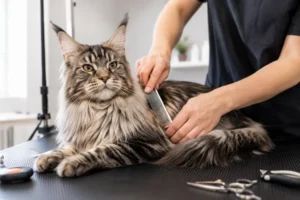
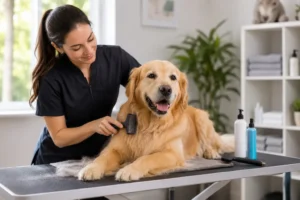
Many owners associate brushing only with shedding. For an allergy-prone pet, it serves another purpose. Regular brushing helps remove loose fur, debris and dead skin that would otherwise remain trapped within the coat.
It also gives us a chance to inspect areas such as:
- Behind the ears
- Under the front legs
- Around the belly
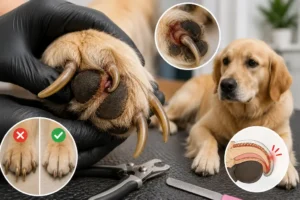
- Between and around the paws
- Under the collar
- Beneath long feathering
- Around the tail
Long or dense coats need particular attention because mats can hold moisture and debris close to the skin. If a dog already feels itchy, tight matting can make that discomfort considerably worse.
3. Paw Cleaning Can Make a Bigger Difference Than Owners Expect
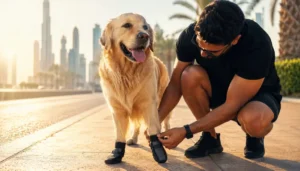
When owners ask me which part of grooming they should maintain most carefully between appointments, the paws are high on my list. They make direct contact with the ground every day.
For dogs with environmental sensitivities, wiping the paws and lower legs after outdoor walks can reduce the amount of outside material carried back onto the skin and into the home.
AAHA’s guidance for dog allergies includes wiping the paws, skin and coat after outdoor exposure as one practical way to reduce environmental allergens.
You don’t need an elaborate routine.
After a dusty walk:
- Check between the paw pads.
- Wipe the paws with a damp cloth or suitable fragrance-free pet wipe.
- Clean the lower legs if visibly dusty.
- Dry the area rather than leaving moisture trapped between the toes.
For an allergy-prone dog, this small habit between grooming appointments can be surprisingly useful.
Which Allergies Can Grooming Actually Help With?
This is where expectations need to stay realistic.
| Type of Allergy or Sensitivity | How Much Can Grooming Help? | Groomer’s Role |
|---|---|---|
| Environmental allergens | Often useful as supportive care | Remove dust, pollen and residue from coat and paws |
| Flea allergy | Useful for detection and hygiene | Spot fleas/flea dirt and keep coat clean |
| Contact irritation | May help | Remove substances sitting on coat or skin |
| Food allergy | Doesn’t remove the cause | Maintain affected skin and coat during treatment |
| Sensitive/dry skin | Can support comfort | Use appropriate gentle products and careful technique |
| Skin infection | Requires veterinary direction | Avoid aggravating the area and refer owner to a vet |
The key point:
Grooming manages what is sitting on the outside of the pet. It cannot correct every problem happening inside the body.
Environmental Allergies Are Where Grooming Is Most Relevant
Environmental sensitivities are usually the clearest example of why grooming can help. Veterinary sources recognize environmental allergens as important triggers in canine atopic dermatitis, and management commonly involves reducing exposure where practical as part of a broader treatment plan.
For Dubai pet owners, I would focus on consistency rather than waiting until a pet becomes visibly dirty.
A useful routine might look like this:
- After walks: Clean visibly dusty paws and lower legs.
- Between baths: Brush according to coat type to remove loose hair and debris.
- Regularly: Wash bedding and blankets your pet sleeps on.
- During grooming: Ask for products appropriate for sensitive skin.
- At home: Watch for changes in scratching, licking, odor or redness.
The goal isn’t to keep the animal sterile. That’s neither realistic nor necessary. The goal is simply to stop unnecessary buildup from sitting against sensitive skin for weeks.
A Research Example: Why Bathing Is More Than Cosmetic
There’s useful veterinary research behind the role of topical coat and skin care. A 2024 randomized controlled study followed 17 dogs with atopic dermatitis for four weeks. Dogs received either weekly shampoo treatment or weekly fine-bubble bathing. Both groups showed a downward trend in measured skin-lesion scores, while the fine-bubble group had a statistically significant improvement compared with the shampoo group after one month.
This doesn’t mean an ordinary grooming bath is an allergy treatment or that every itchy dog should suddenly be bathed weekly. What it does reinforce is something professional groomers see practically: how the skin and coat are cleaned can matter when managing dogs with sensitive or allergic skin.
Bathing technique, product choice and frequency all matter.
Can Grooming Help With Flea Allergies?
Yes, but only as part of the solution.
During brushing or bathing, groomers sometimes spot:
- Live fleas
- Flea dirt
- Irritated areas around the tail
- Excessive scratching
- Small scabs
- Hair damage caused by chewing
A dog or cat with flea allergy dermatitis can react strongly to flea bites, so grooming alone isn’t sufficient. Flea control needs to be addressed properly, usually with veterinary guidance and appropriate parasite prevention. Veterinary references identify flea allergy as a specific allergic reaction that requires control of flea exposure, not just bathing.
Grooming can help us spot the warning signs early. That’s one reason I encourage owners not to ignore sudden scratching just because the coat still looks clean.
Our guide on signs your dog needs immediate grooming also discusses scratching and biting as signs worth paying attention to during coat care.
Can Grooming Help Food Allergies?
Not directly. This is an important distinction because owners sometimes keep changing shampoos when the problem isn’t coming from the coat.
If a dog has a true adverse food reaction, removing dust from the fur will not remove the underlying dietary trigger. Grooming still has a supportive role because an itchy animal may benefit from a clean, comfortable and mat-free coat while the underlying problem is investigated.
But food-related skin problems need to be handled differently from environmental buildup. If diet is already being investigated, our guide to dog food and skin allergies covers the subject in more detail. A groomer shouldn’t diagnose food allergies or recommend repeatedly changing diets based solely on how the coat looks.
Don’t Automatically Reach for the Strongest Shampoo
This is one of the most important lessons from grooming sensitive pets. A pet is itchy, so the owner assumes a stronger shampoo must work better. Not necessarily. Using overly harsh products can leave already sensitive skin feeling even drier or more uncomfortable.
For routine grooming, I prefer an approach based on the individual pet:
- Pet-specific products
- Gentle formulas where appropriate
- Careful dilution according to product instructions
- Thorough rinsing
- Comfortable water temperature
- Complete but gentle drying
If a veterinarian has prescribed a medicated shampoo, tell your groomer before the session and bring the product or instructions if required. Medical shampoos can have very specific contact times and directions. They shouldn’t simply be substituted with whatever product happens to be available in the grooming area.
Can You Bathe an Allergy-Prone Pet Too Often?
Absolutely. I’ve seen owners respond to scratching by increasing baths again and again. That isn’t automatically the right solution. AAHA specifically advises against over-bathing because excessive bathing can dry the skin and coat, even while appropriate bathing can be beneficial in allergy management.
How often a pet should be bathed depends on:
- Species
- Breed
- Coat type
- Skin condition
- Lifestyle
- Product being used
- Veterinary instructions
- Severity of the allergy
A healthy short-haired dog that spends most of its time indoors may have very different requirements from a long-haired dog with diagnosed atopic dermatitis. There is no single grooming frequency that works for every allergic pet.
What About Cats With Allergies?
Cats need a different approach. One mistake I would avoid is taking a dog grooming routine and simply applying it to a cat. Cats generally groom themselves extensively and can become stressed by unnecessary bathing.
Professional grooming can still be valuable when a cat has:
- Heavy shedding
- Matting
- Greasy coat
- Dandruff
- Difficulty self-grooming
- Long or dense fur
- Visible coat contamination
During cat grooming in Dubai, the focus should be gentle handling and doing only what the individual cat genuinely needs. Nin9Tails’ cat grooming service emphasizes low-stress handling and coat care rather than treating cats as smaller versions of dogs.
If a cat is repeatedly scratching, developing bald areas or over-grooming one part of the body, I would recommend involving a veterinarian rather than simply scheduling more baths.
A Groomer’s Allergy-Friendly Routine for Dubai Pets
For owners dealing with an allergy-prone pet, I prefer a simple routine that is easy to maintain.
Daily or After Outdoor Exposure
- Check paws after walks.
- Remove visible sand or dust.
- Watch for excessive paw licking.
- Keep water bowls and sleeping areas clean.
Between Professional Grooming Sessions
- Brush the coat appropriately for the breed.
- Check for redness while brushing.
- Keep mats from developing.
- Wash bedding regularly.
- Monitor changes in skin odor.
During Professional Grooming
Tell your groomer:
- Whether your pet has diagnosed allergies
- Which products your veterinarian recommends
- Whether a shampoo has caused a previous reaction
- Where your pet usually scratches
- Whether ear problems keep returning
- Whether flea treatment is current
Those details help us adjust the session.
Why Mobile Grooming Can Be Useful for Sensitive Pets
Some allergy-prone pets are also nervous pets. If a dog or cat becomes highly stressed by the carrier, car journey or presence of other animals, bringing grooming closer to home can make the overall experience easier.
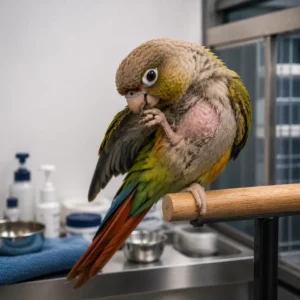
Nin9Tails provides mobile pet grooming in Dubai for dogs, cats, rabbits and birds using a fully equipped grooming van. Sessions are one-on-one, with tools and surfaces sanitized between appointments.
For pets already uncomfortable because of irritated skin, a quieter grooming setup can be worth considering.
When Should a Groomer Tell You to See a Vet?
Experienced groomers learn when not to continue treating something as a normal grooming issue.
I would recommend veterinary assessment when I see or hear about:
- Persistent scratching that doesn’t settle
- Open or bleeding skin
- Significant redness
- Moist or weeping sores
- Strong unusual skin odor
- Sudden bald patches
- Repeated ear infections
- Swelling
- Pus or discharge
- Severe paw chewing
- Skin that appears painful to touch
Allergic skin disease can occur alongside secondary bacterial or yeast infections, and veterinary guidelines emphasize identifying and treating these complications as part of proper allergy management.
So, Can Regular Grooming Help My Pet’s Allergies?
Yes! especially when dust, pollen and other environmental allergens are part of the problem.
From a groomer’s perspective, regular grooming helps in several practical ways:
- It removes environmental debris from the coat.
- It cleans paws that collect outside allergens.
- It removes loose hair and dead skin.
- It prevents mats from trapping dirt and moisture.
- It makes changes in the skin easier to notice.
- It helps owners maintain a consistent skin-and-coat routine.
But grooming should be viewed as supportive care, not a cure.
For allergy-prone pets, the strongest approach is usually a combination of appropriate grooming, reducing known triggers and veterinary care when the symptoms go beyond routine skin and coat maintenance. And if there’s one thing I’d tell every pet owner dealing with recurring itchiness, it’s this:
Don’t wait until the coat looks dirty before paying attention to the skin underneath it. Regular, gentle grooming gives you a much better chance of noticing small problems before they become uncomfortable ones.
Frequently Asked Questions
Can grooming reduce itching in pets?
It can help when dust, pollen, dead skin, loose fur or environmental residue is contributing to discomfort. If itching continues after the pet is clean, another underlying cause may need veterinary investigation.
Does bathing remove allergens from a dog’s coat?
Yes. Veterinary literature recognizes bathing as one way to physically remove environmental allergens from the skin and coat.
How often should I groom a dog with allergies?
There isn’t one schedule suitable for every dog. Coat type, diagnosis, shampoo, lifestyle and veterinary recommendations should determine grooming frequency.
Should I use hypoallergenic shampoo for my pet?
A gentle product formulated for the species can be useful for sensitive skin, but “hypoallergenic” doesn’t guarantee that every pet will tolerate it. Pets with diagnosed skin disease may need a veterinarian-recommended product.
Can a groomer diagnose my pet’s allergies?
No. A professional groomer can notice redness, hair loss, fleas, abnormal skin, excessive licking and other warning signs, but diagnosis belongs to a veterinarian.
Is regular brushing useful for pets with environmental allergies?
Yes. Appropriate brushing helps remove loose hair, dead skin and some debris caught in the coat while making the skin easier to inspect.
Can mobile grooming help an allergy-prone pet?
It can be a convenient option, particularly for pets that become stressed during travel or busy salon visits. Make sure your mobile groomer knows about diagnosed allergies and any products the veterinarian has advised using.