
Quick answer: A dog that smells bad even after bathing, has matted fur, overgrown nails, or is constantly scratching or scooting likely needs a professional grooming session, not just a bath at home. These signs often point to buildup, irritation, or early health issues that grooming and a trained eye can catch before they escalate.
Dogs are playful, mischievous creatures. Whether they’re digging in the garden, splashing at the beach, or rolling around in the park, they have a remarkable talent for finding the muddiest, messiest corner of wherever they are. Sometimes they come home smelling like they’ve rolled through something you’d rather not identify, and self-grooming just isn’t enough to undo it.
Keeping a dog clean isn’t only about appearance. It’s about preventing pain, infection, and the kind of discomfort that quietly builds up until it becomes a bigger problem. It can also help avoid unnecessary vet visits, something most dogs aren’t exactly thrilled about either. Despite the occasional grumbling during a bath, professional dog grooming in Abu Dhabi should be a core part of a dog’s overall wellness routine, not an occasional afterthought.
Why Regular Dog Grooming Is Important
Grooming is far more than a cosmetic activity. It plays a real role in a dog’s physical and emotional wellbeing.
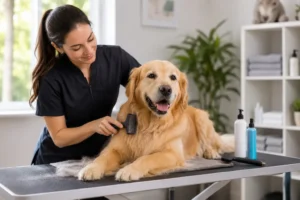
Regular sessions help prevent tangled fur, skin irritation, and ear infections, and they often catch ticks or fleas that would otherwise go unnoticed. A clean dog tends to be a genuinely more comfortable one, and that comfort often shows up in their behavior too.
Most vets recommend grooming every four to eight weeks, depending on breed, coat type, and activity level. Breeds like Shih Tzus or Golden Retrievers often need more frequent sessions, while short-haired breeds can typically go longer between visits.
Beyond the physical benefits, grooming doubles as a full-body check. It can reveal skin abnormalities, hidden wounds, or early behavioral signs like stress or excessive licking, giving owners a real chance to address issues before they intensify.
Common Signs Your Dog Needs Immediate Grooming
A dog can look clean on the surface and still be dealing with something underneath. Here’s what to watch for.
1. Persistent Bad Odor
If your dog still smells off even after a thorough bath, it’s worth booking a grooming appointment. Foul odor is often traced back to dirty ears, blocked anal glands, or bacterial buildup in the coat, all things a comprehensive grooming session can address directly.
Groomers are trained to notice signs of infection while cleaning ears or trimming fur, so a persistent smell is worth treating as a signal, not something to just live with.
2. Matted or Tangled Fur
Matted fur isn’t just unsightly, it can genuinely hurt. It’s especially common in long-haired dogs and can restrict movement or create sore spots against the skin. Daily brushing is the easiest way to prevent it from building up in the first place; once it’s severe, shaving is often the only remaining option. That said, some breeds shouldn’t be shaved at all, which makes staying ahead of matting even more important.
3. Dirty or Irritated Eyes
Excess crustiness around a dog’s eyes can lead to infection and even affect vision over time. Breeds like Poodles and Maltese are especially prone to tear staining. When discharge builds up beyond normal levels, professional grooming can clear it and trim away hair that’s contributing to the irritation.
4. Overgrown Nails
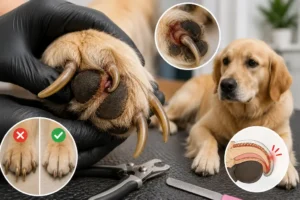
That clicking sound on hard floors is usually the first clue. Long nails can alter posture, cause pain while walking, and eventually contribute to joint problems. Indoor dogs don’t naturally wear nails down the way outdoor dogs might, so regular trims matter. Groomers are trained to cut safely without hitting the quick, the sensitive nerve inside the nail.
5. Scratching or Biting Themselves
Constant scratching, licking, or biting can point to fleas, ticks, or general skin irritation, even when parasites aren’t visibly present. Dry or dirty skin alone can cause enough discomfort to trigger this behavior. Grooming helps remove allergens and dead skin, and a groomer can flag anything that looks like it needs a vet’s attention.
6. Greasy or Sticky Coat
A healthy coat has shine, not grease. A sticky or oily coat usually signals a buildup of oil, dirt, or environmental residue, which can clog pores over time and lead to skin issues if left unaddressed. A proper wash and conditioning during grooming restores coat health and helps prevent that buildup from becoming a bigger problem.
7. Unusual Shedding Patterns
Shedding is normal, but a sudden increase or visible bald patches shouldn’t be brushed off. It can point to stress, allergies, or an underlying health issue. A professional groomer can help manage shedding with the right tools and flag anything that looks abnormal.
8. Swollen or Red Ears
Redness, swelling, or a foul smell from the ears usually signals infection, and it can worsen quickly without care. Ear cleaning is a standard part of most grooming sessions, helping prevent wax buildup before it turns into something more serious. Dogs with floppy ears are especially prone to this.
9. Stained or Dirty Paws
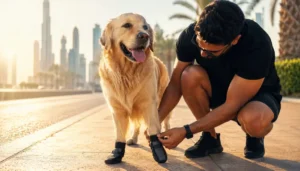
A dog’s paws go everywhere, sidewalks, gardens, wherever the day takes them. Dirt, allergens, or chemical residue can build up between the toes. Constant paw licking or visible discoloration is worth addressing with a grooming session, since groomers thoroughly clean, trim, and inspect paw pads as part of the process.
10. Frequent Scooting
A dog dragging its bottom across the floor is often a sign of clogged anal glands, uncomfortable for the dog and unpleasant for everyone else. Groomers are trained to express anal glands safely, a task genuinely best left to professionals. Left unaddressed, this can lead to infection or abscesses, which is exactly why regular grooming plays such a preventive role in anal gland health.
What’s Included in a Full Dog Grooming Session?
A proper session goes well beyond a quick bath. Here’s what’s typically involved:
- Bath time: A thorough wash with pet-safe shampoo, followed by conditioning to soften the coat and soothe the skin.
- Hair trimming: Cut or styled to suit the breed, helping prevent matting and keeping dogs comfortable in warm climates like Abu Dhabi.
- Nail clipping: Prevents overgrowth and joint strain, while reducing the risk of accidental scratches.
- Ear cleaning: Clears wax and debris, especially important for floppy-eared or hairy-eared breeds.
- Teeth brushing: Freshens breath and helps reduce plaque buildup, a good preventive habit alongside regular vet dental care.
- Anal gland expression: Prevents fluid buildup and discomfort, particularly important for dogs prone to scooting.
- Brushing and deshedding: Removes loose fur, reduces shedding, and supports healthy circulation to the skin.
- Paw and pad cleaning: Removes harmful residue between the toes and trims hair that could cause slipping or matting.
How to Find a Trustworthy Dog Groomer in Abu Dhabi
A skilled, compassionate groomer genuinely makes a difference. Start by checking local reviews and asking fellow pet parents in Abu Dhabi for recommendations.
Look for a groomer who’s transparent about their services, comfortable letting you see the facility, and clearly patient with animals. A good salon typically has clean tools, a climate-controlled space, and staff trained in breed-specific handling. It’s also worth asking about emergency procedures, especially if your dog has any existing medical conditions.
Frequently Asked Questions
How often should I get my dog professionally groomed?
Most vets recommend every four to eight weeks, though this varies by breed, coat type, and activity level. Long-haired or high-shedding breeds often need more frequent sessions than short-haired dogs.
Can I manage all these grooming needs at home instead of visiting a professional?
Basic care like brushing and occasional baths can be handled at home, but tasks like anal gland expression, nail trimming near the quick, and spotting early infection signs are safer and more reliable when done by a trained groomer.
What’s the difference between shedding and a health-related hair loss issue?
Regular shedding is spread evenly and doesn’t leave bald patches. Sudden increases in hair loss, or visible bald spots, are more likely tied to stress, allergies, or an underlying health issue worth checking with a vet.
Why does my dog scoot even after a bath?
Scooting is usually related to clogged anal glands rather than general dirtiness, and it typically needs a groomer or vet to resolve directly, since bathing alone won’t address it.
Conclusion
Your dog depends on you for love, food, and care, but grooming is often one of the most overlooked parts of pet ownership. Ignoring the signs of poor hygiene can lead to health problems that end up being far more costly and painful than routine grooming ever would be.
Whether it’s bad odor, constant scratching, or overgrown nails, these signs are your dog’s way of asking for help. Staying ahead of grooming needs keeps your dog looking their best and feeling their best, every single day.
Looking for Expert Dog Grooming in Abu Dhabi?
Nin9 Tails offers professional, pet-friendly grooming services designed to care for your dog from nose to tail. Book a session today and give your dog the clean, healthy, and happy life they deserve.