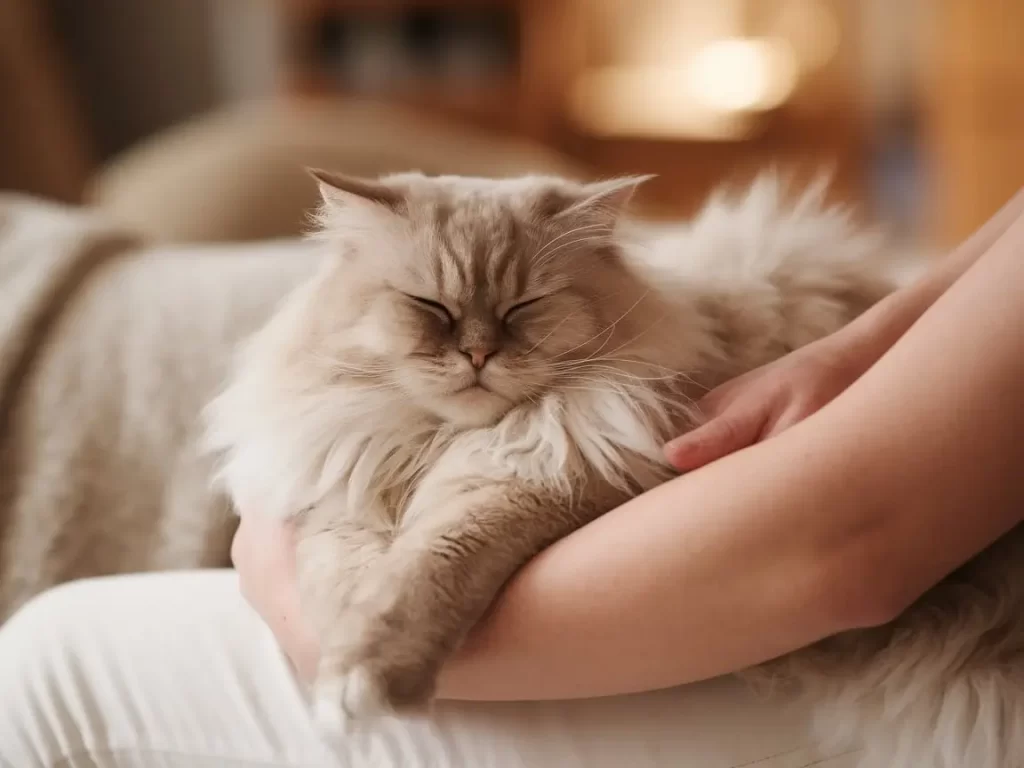
It happens in seconds. Your cat jumps onto your lap, starts purring, and leans into your hand as you gently stroke its head. Then, without warning, the same cat that was enjoying the attention suddenly turns around, flicks its tail, or gives a warning hiss.
For many cat owners, this confusing change in behaviour feels like a mystery. One moment, your feline companion seems to crave affection, and the next, they appear to want nothing to do with you. But this is not your cat being unpredictable or difficult. Cats communicate differently from humans, and their reactions to touch are influenced by their instincts, mood, past experiences, and personal boundaries.
Understanding why cats sometimes enjoy petting and sometimes avoid it can help you build a stronger relationship with your feline friend. Along with learning their behaviour, maintaining their overall comfort through regular pet grooming in Dubai can help support their health, hygiene, and wellbeing.
Whether your cat loves long cuddle sessions or prefers short moments of affection, learning their body language is the key to respecting their comfort and creating a stronger bond.understand your feline friend better.
Cats and Their Complex Relationship with Petting
There are times when cats love to be petted. Other times, they might hate it. Why is that? Here are a few reasons.
1. The Evolutionary Link
Cats belong to the same broader feline family as lions and cheetahs, and these animals use social grooming behaviors to strengthen relationships within their groups. This mutual grooming, known as allogrooming, is a way of building trust, showing affection, and maintaining social bonds.
Allogrooming in cats translates to humans in a similar manner. By licking their face and letting them rub their face, back, and belly, cats show their affection for humans. It is their way of telling them that they trust you and that you are one of them.
2. Sensory Pleasure
The closest thing to petting that we humans feel is massage. Just think about how relieved and relaxed you feel during a massage.
Petting is the same thing for cats. When a cat is petted, it stimulates its nerve endings and sensitive receptors. The ears and cheeks are filled with scent glands, and when you rub these areas, it stimulates those glands, and cats get more comfortable with you. And cats often purr when you touch them for a longer period. This is a sign of contentment and a signal that they enjoy their time with you. This is also the reason why cats drool when you pet them.
3. Bonding with Humans
Unlike what many people believe, cats are capable of making strong attachments. It’s just that they aren’t as predisposed as dogs. Cats are very selective about whom they trust and allow near them, making their attention and affection a privilege.
Cats form similar attachments with their human caregivers as infants do. And since touch is the only love language cats are familiar with, petting reinforces that attachment and affection.
So know this: petting is not just a simple scratch but a sign of affection and belonging for your cat.
4. The Mood Factor
Now, we get into the real question. If your cat loves being petted so much, then why does it hiss sometimes when you do it?
Just like humans, cats, too, have boundaries and are sensitive to their surroundings and stress levels. If your cat is feeling anxious or just isn’t in the mood, they might back off from the petting session, even if you are their favorite human. All you can do is understand your cat’s body language, when it feels grumpy, and when it needs affection.
Look for signs such as tail twitches, flattened ears, and sudden stillness, among others, and back off before your cat makes you.
5. Individual Preferences
The affinity to being petted varies across different breeds of cats. While some cats love being petted and played with, others hate it and prefer to be left alone.
For instance, Ragdolls and Maine Coons tend to be more receptive to cuddles, while some Bengals and Orientals might prefer interactive play over prolonged physical contact. Kittens handled frequently during their critical early development phase are likely to enjoy the human touch as adults. So understand your cat’s nature and respect their individuality.
Final Thoughts
Cats might be mysterious, but they are not indifferent. Cats show love, trust, and connection in their own unique and interesting way. Every time they allow you to be near them, take it as a sign of trust and closeness.
So, the next time your cat jumps into your lap or headbutts your hand, do not ignore them. It is a sign of their affection, and the best thing is to reciprocate.
Play with and pet them to show that their trust and affection are not misplaced and reinforce your bond. But when they avoid human touch, respect their boundaries and give them the space they need.
Frequently Asked Questions
Why does my cat enjoy petting sometimes but dislike it at other times?
Cats have their own moods and boundaries, just like humans. A cat may enjoy affection when it feels relaxed but become uncomfortable if it is overstimulated, tired, or stressed. Learning your cat’s body language can help you understand when it wants attention and when it needs space.
Why does my cat suddenly hiss when I pet it?
A sudden hiss does not always mean your cat dislikes you. It is often a warning that your cat has reached its comfort limit. Signs such as tail flicking, flattened ears, skin twitching, or sudden stillness may indicate that your cat wants the interaction to stop.
Where do cats usually like to be petted?
Most cats enjoy gentle touches around areas where they have scent glands, such as the cheeks, forehead, and chin. Many cats also enjoy gentle strokes along their back. However, every cat is different, and some may not like their belly touched.
Why does my cat rub its face against me?
When cats rub their face against people, they are leaving their scent and marking you as a familiar and trusted part of their environment. This behaviour is a sign of comfort, affection, and social bonding.