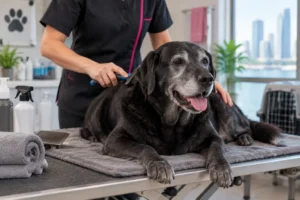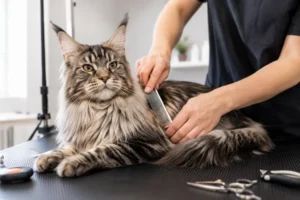

Many pet owners don’t realize there’s a problem until their dog or cat suddenly starts limping or refuses to put weight on one paw. In the grooming room, however, one of the first things we check is the condition of the nails. It’s not uncommon to find nails that have curled so much they’ve begun pressing into or even piercing the paw pad, causing pain every time the pet walks.
This condition rarely happens overnight. It usually develops when nail trims are delayed for weeks or months, allowing the nails to keep growing unchecked. In the UAE, where many pets spend most of their time indoors on smooth flooring, nails often don’t wear down naturally, making routine grooming even more important.
Regular pet grooming in dubai isn’t just about keeping your pet looking tidy, it’s one of the simplest ways to prevent painful nail-related injuries. In this guide, we’ll explain why nails grow into the paw pad, how to recognize the early warning signs, and what to do before the problem becomes a veterinary emergency.
What Causes Nails to Grow Into the Paw Pad?
Healthy nails grow continuously. Normally, they’re kept at a safe length through regular trimming and natural wear from walking. However, many indoor pets don’t get enough friction on smooth floors to wear their nails down.
As the nails continue growing, they begin to curl. In severe cases, the tip of the nail presses into the paw pad and may eventually puncture the skin.
Some pets are more likely to develop this problem, including:
- Senior pets that are less active.
- Indoor pets that spend most of their time on tiles or wooden floors.
- Pets with mobility or joint issues.
- Pets that have missed several nail trimming sessions.
One of the easiest ways to avoid this condition is by following a consistent rabbit nail trimming or pet nail care routine instead of waiting until the nails become visibly overgrown.
Signs Your Pet’s Nails Are Growing Into the Pad
The earlier you spot the problem, the easier it is to treat. Many pets continue walking despite being uncomfortable, so the warning signs are often subtle at first.
Watch for these common symptoms:
- Limping or favoring one paw.
- Excessive licking or chewing at the affected foot.
- Swollen, red, or tender paw pads.
- Nails that appear curled or unusually long.
- Bleeding or discharge around the nail.
- Reluctance to walk, run, or climb stairs.
If you notice any of these signs, inspect the paw carefully. A nail that’s already embedded in the pad should never be pulled out at home, as this can increase pain, bleeding, and the risk of infection.
Seeking professional grooming or veterinary care early can prevent a minor nail problem from becoming a painful injury.
What Should You Do if a Nail Has Grown Into the Pad?
If a nail has already pierced the paw pad, avoid trying to trim or remove it yourself. Even if only a small part of the nail is embedded, pulling it out incorrectly can cause bleeding, worsen the wound, or leave part of the nail behind.
The safest approach is to have your pet examined by a veterinarian or an experienced grooming professional, depending on the severity of the injury. They can assess whether the nail simply needs careful trimming or if the paw requires medical treatment, cleaning, or antibiotics.
Until your appointment:
- Keep your pet as calm as possible to reduce pressure on the injured paw.
- Avoid long walks or rough outdoor surfaces.
- Prevent excessive licking by using an e-collar if recommended.
- Keep the affected paw clean and dry.
Once the nail has been treated, maintaining a regular trimming schedule becomes the best way to stop the problem from returning. Learning cut dogs nail without causing pain and bleeding can also help pet owners feel more confident about routine nail care between professional grooming visits.
How to Prevent Overgrown Nails From Becoming a Painful Problem
Preventing nails from growing into the paw pad is much easier than treating the injury afterward. A simple routine of regular nail checks can save your pet from unnecessary pain and reduce the risk of infections or mobility problems.
Here are a few habits that help keep nails at a healthy length:
- Check your pet’s nails every 2–4 weeks, even if they don’t seem long.
- Trim the nails before they begin to curl toward the paw.
- Listen for clicking sounds on hard floors, as this often means the nails are too long.
- Keep senior and indoor pets on a more consistent nail-trimming schedule since their nails wear down more slowly.
- Don’t ignore dewclaws, as they don’t touch the ground and can grow into the skin more quickly than other nails.
Professional grooming appointments also make it easier to spot nail and paw problems before they become serious. During a routine visit, groomers check nail length, paw pads, and overall paw condition, helping identify issues that many owners may not notice at home. Choosing a trusted mobile grooming Dubai service can also make regular nail care more convenient, especially for pets that feel stressed during travel.
Regular nail maintenance isn’t just about appearance; it’s an important part of keeping your pet comfortable, active, and pain-free.
Frequently Asked Questions
Can overgrown nails really grow into a pet’s paw pad?
Yes. If nails are left untrimmed for too long, they can curl inward and press into the paw pad. In severe cases, the nail may puncture the skin, causing pain, swelling, and infection.
How often should my pet’s nails be trimmed?
Most dogs, cats, and rabbits benefit from a nail trim every 3–6 weeks, although the ideal schedule depends on their activity level, age, and how quickly their nails grow.
Is a nail growing into the pad an emergency?
It should be treated as soon as possible. While it may not always require emergency care, delaying treatment can increase pain, lead to infection, and make walking more difficult for your pet.
Can I remove an ingrown nail at home?
No. If the nail has already entered the paw pad, it’s safest to have it treated by a veterinarian or an experienced professional. Trying to remove it yourself can cause further injury and bleeding.
Which pets are most at risk?
Senior pets, indoor pets, rabbits, and animals with limited mobility are more likely to develop overgrown nails because their nails experience less natural wear.
Conclusion
Overgrown nails that grow into the paw pad are one of the most preventable yet painful nail problems pets can experience. Regular nail checks, timely trimming, and early attention to changes in your pet’s walking or paw health can prevent minor overgrowth from turning into a serious injury.
Whether you have a playful puppy, an indoor cat, or a rabbit, consistent nail care should be part of their routine wellness plan. If you’re unsure when your pet last had a nail trim or you’ve noticed signs like limping, curled nails, or excessive paw licking, don’t wait for the problem to worsen. Routine bird nail trimming awareness and species-specific grooming knowledge can help owners recognize that healthy nails are essential for every pet not just dogs and cats. Regular professional grooming ensures your pet stays comfortable, active, and free from avoidable nail-related injuries.