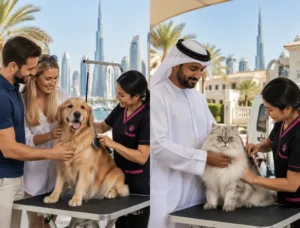

In all my years grooming dogs across Dubai, there’s one image that never gets old: an owner walking in, pulling a fur-covered cardigan out of their bag, and asking if this is “normal.” Just last week, a client named Ahmed brought in his Siberian Husky, Max, convinced something was seriously wrong. He was vacuuming twice a day, finding hair in his food, and pulling what looked like a small tumbleweed off the sofa every evening. He wasn’t wrong to be concerned, but he was surprised to learn that most of what Max was dealing with could be managed, not just endured.
Many shedding issues become easier to handle with the right grooming routine. Professional mobile grooming Dubai services help owners maintain their dog’s coat regularly, remove excess loose fur, and identify coat or skin concerns before they become bigger problems.
For dog owners in Dubai, where the dry desert climate, year-round heat, and dust exposure can significantly intensify shedding, working with a trusted pet grooming in Dubai service that understands breed-specific coat requirements is one of the most effective things you can do.
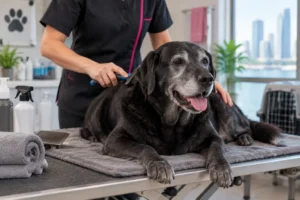
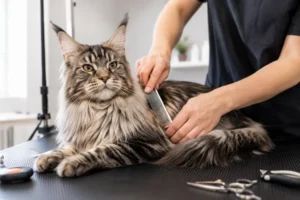
Professional dog grooming in Dubai goes far beyond a basic wash. It includes deshedding treatments, coat conditioning, and expert brushing techniques that physically remove loose undercoat hair before it ends up all over your home, something I see make a visible difference in client dogs within the very first session.
Why Dogs Shed; And When It Becomes a Problem
All dogs shed to some degree. Shedding is the natural process of old or damaged hair falling out to make room for new growth. It is controlled by factors including breed genetics, coat type, hormonal cycles, and seasonal changes in daylight hours.
Normal shedding occurs year-round in most dogs, with heavier phases in spring and autumn as the coat adapts to temperature changes. Double-coated breeds such as German Shepherds, Huskies, Golden Retrievers, and Labrador Retrievers shed significantly more than single-coated breeds.
Abnormal or excessive shedding may be triggered by:
- Poor nutrition: a diet lacking in omega fatty acids, zinc, and biotin leads to a dry, brittle coat that sheds heavily
- Skin conditions: allergies, fungal infections, mange, and dermatitis all cause accelerated hair loss
- Stress or anxiety: dogs under chronic stress shed more, particularly rescue dogs or those in new environments
- Hormonal imbalances: hypothyroidism and Cushing’s disease both cause significant coat thinning and shedding
- Parasites: fleas, ticks, and mites trigger intense scratching and patchy hair loss
- Dehydration: insufficient water intake directly affects skin elasticity and coat health
In the UAE, the dry air, high temperatures, and dust particles in the environment compound all of these factors. Dogs here often shed more intensely than in cooler, more humid climates making proactive coat management essential rather than optional.
How to Stop Dog Shedding: 7 Vet-Backed Strategies
1. Upgrade the Diet
Coat health starts from the inside. A high-quality diet rich in animal protein, omega-3 and omega-6 fatty acids, biotin, and zinc directly supports a stronger, less brittle coat. Look for dog foods where a named protein source (chicken, lamb, salmon) is the first ingredient.
Fish oil supplements either as a dietary addition or in supplement form are widely recommended by veterinarians for reducing shedding in dogs with dry or coarse coats. Consult your vet before introducing supplements, especially for puppies or dogs with existing health conditions.
2. Brush Regularly and With the Right Tool
Brushing is the single most effective physical intervention for reducing shedding. It removes loose hair from the coat before it falls onto your furniture, redistributes natural skin oils, and stimulates circulation in the skin.
The right brush depends entirely on coat type:
- Slicker brush: ideal for medium to long coats and dogs prone to matting
- Deshedding tool (e.g. Furminator): designed to reach and remove the dense undercoat of double-coated breeds
- Rubber grooming mitt: suitable for short-coated breeds like Boxers, Beagles, and Dalmatians
- Bristle brush: for short, smooth coats requiring light maintenance
For heavy shedders, daily brushing during peak shedding seasons is not excessive it is necessary.
3. Bathe With a Deshedding Shampoo
Bathing loosens and removes dead undercoat hair that regular brushing misses. A deshedding shampoo or conditioner formulated with ingredients like omega fatty acids, oatmeal, or keratin hydrates the coat while facilitating easier removal of loose hair.
In Dubai’s climate, monthly baths are a good baseline for most breeds. Heavy shedders or dogs that spend time outdoors may benefit from more frequent bathing, as long as the shampoo used is gentle enough to avoid stripping the coat’s natural oils.
4. Keep Your Dog Hydrated
Dehydration has a direct impact on skin health and shedding. A well-hydrated dog has better skin elasticity, which means less dryness, less flaking, and a coat that holds together better. In Dubai’s heat, water intake becomes even more critical always ensure your dog has access to fresh, clean water throughout the day.
5. Address Allergies and Skin Conditions Early
If your dog is shedding in patches, scratching persistently, or showing redness or inflammation on the skin, the shedding is a symptom not the primary problem. Allergic reactions, skin infections, and parasitic infestations all cause secondary hair loss that will not resolve with brushing alone.
A veterinary assessment to identify and treat the underlying cause is the correct first step. Attempting to manage shedding topically while an allergy or infection goes untreated will not produce lasting results.
6. Manage Stress
Stress-related shedding is real and underrecognised. Dogs experiencing separation anxiety, environmental changes, loud noise exposure, or a new household dynamic often shed significantly more than usual. Addressing behavioural stress through consistent routine, appropriate exercise, enrichment, and in more serious cases behavioural consultation, can noticeably reduce stress-related coat loss.
7. Schedule Professional Deshedding Treatments
At-home brushing manages day-to-day loose hair, but it doesn’t replicate what a professional groomer can do. A trained groomer uses high-velocity dryers to blow out deeply embedded dead undercoat, followed by specialist deshedding tools and coat treatments that remove far more loose hair than home routines typically achieve.
For dogs with double coats or heavy shedders, a professional deshedding session every 4–8 weeks can meaningfully cut down on the hair you’re dealing with at home between visits.
Frequently Asked Questions
Q: How do I stop my dog from shedding so much?
A: The most effective approach combines a high-quality diet rich in omega fatty acids, regular breed-appropriate brushing, monthly baths with a deshedding shampoo, and professional grooming sessions with deshedding treatments. Identifying any underlying skin or health conditions is equally important.
Q: Why is my dog shedding so much all of a sudden?
A: Sudden increases in shedding are often linked to stress, a recent diet change, seasonal transitions, allergies, hormonal shifts, or the onset of a skin condition. If shedding is accompanied by bald patches, redness, or itching, a veterinary check is recommended.
Q: Do certain dog breeds shed more than others?
A: Yes. Double-coated breeds like German Shepherds, Huskies, Labrador Retrievers, Golden Retrievers, and Bernese Mountain Dogs shed significantly more than single-coated or low-shedding breeds such as Poodles, Shih Tzus, and Maltese.
Q: Does dog grooming really help with shedding?
A: Professional grooming is one of the most effective shedding reduction methods available. High-velocity drying, specialist deshedding tools, and conditioning treatments physically remove the dense undercoat that home brushing rarely reaches.
Q: Does diet affect how much a dog sheds?
A: Significantly. Diets low in protein, omega fatty acids, and essential vitamins produce dry, brittle coats that shed excessively. Improving diet quality is often one of the first changes vets recommend when presented with a heavy-shedding dog.