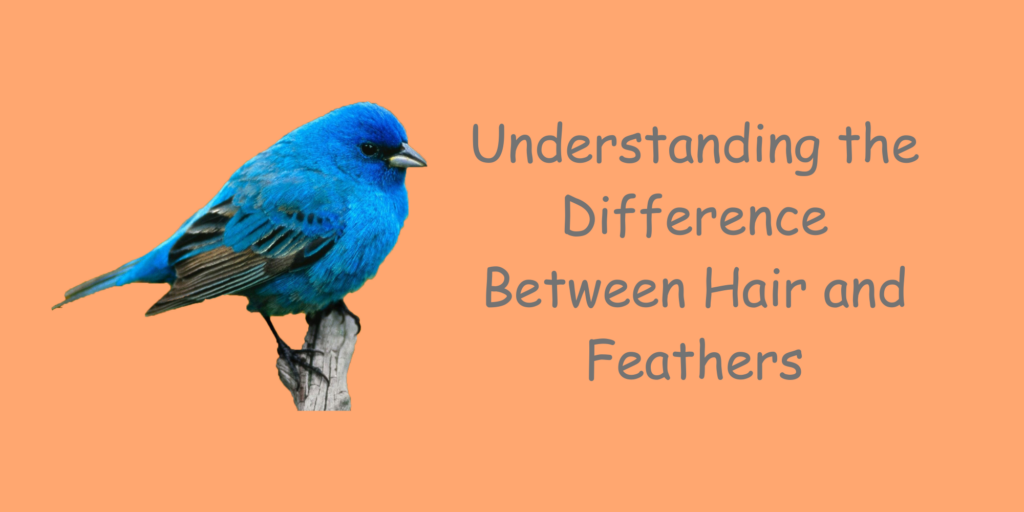
Look closely at a fluffy owl or the wispy strands on a kiwi, and it’s easy to wonder: why don’t birds have hair like the rest of us? The short answer is that they never needed it birds have feathers, an entirely different structure that does everything hair does and far more. Both are made of keratin, the same protein in your own fingernails, but they evolved separately: hair on mammals, and feathers on the dinosaur ancestors of modern birds, tens of millions of years apart.
What looks like “hair” on a bird is really specialised feathers in disguise the fine bristles around a songbird’s beak, or the hair-like filoplumes that help it sense the position of its plumage. So no bird actually grows hair; nature simply solved the same problems warmth, protection, sensation in two completely different ways. Below, we’ll unpack exactly how feathers and hair differ, why feathers won out for birds, and the clever jobs they do that hair never could.
The Key Difference: Hair vs Feathers
Here’s the surprising part: hair and feathers are made of the same material. Both are built from keratin, the protein in your fingernails, yet evolution shaped that shared ingredient into two completely different structures. Hair is a simple, solid strand. A feather is an intricately branched architecture: a central shaft with rows of barbs, and tiny barbules that hook together like Velcro to form a smooth, flight-ready surface. That structural leap is the real difference, not the material, but what evolution did with it.
1. Structure: Hair is a single filament that grows continuously from a follicle. A feather grows from its own follicle too, but in a complex, branched form, and unlike hair, it isn’t replaced continuously. Birds shed and regrow feathers in cycles called moulting.
2. Function: Hair mainly regulates a mammal’s body temperature. Feathers are multitaskers: they insulate, enable flight, shed water, and even signal to potential mates through colour and display several jobs one structure could never do.
3. Evolutionary origin: Feathers didn’t appear for flight. They evolved in feathered dinosaurs likely first for insulation and display and only later became the lightweight, interlocking surfaces that made powered flight possible. Hair, meanwhile, evolved separately in mammals. Same protein, two entirely independent inventions.
Why Did Birds Evolve Feathers Instead of Hair?
Birds are descendants of theropod dinosaurs, which had early forms of feathers. Over millions of years, these structures evolved to provide insulation and aid in flight. Feathers offer birds an advantage that hair simply couldn’t lightweight insulation and the ability to glide, soar, and maneuver through the air with precision.
Additionally, feathers help birds blend into their surroundings or stand out for mating displays. Peacocks, for example, use their vibrant plumage to attract mates, something that wouldn’t be possible with simple hair.
Do Any Birds Have Hair-Like Feathers?
Some birds, like the cassowary or the emperor penguin chick, have feathers that closely resemble hair. However, these are still feathers in structure and function, just modified for their specific environments.
From Birds to Pets: The Importance of Proper Grooming
While birds rely on their feathers for grooming and preening, our furry pets need special care to keep their hair and fur healthy. This is where Nin9tails, best pet grooming service in Abu Dhabi, comes in. Whether you have a fluffy cat, a long-haired dog, or even a feathery companion, Nin9tails offers professional grooming services tailored to your pet’s needs. With expert groomers and top-tier care, they ensure your pets look and feel their best, just like nature intended!
Frequently Asked Question
Do birds have hair or feathers?
Birds have feathers, not hair. Every bird is covered in feathers, even the ones that look fuzzy or hair-like. Feathers and hair are both made of keratin, the protein in your fingernails, but they’re completely different structures that evolved separately, with feathers appearing in the dinosaur ancestors of modern birds.
Why don’t birds have hair?
Birds never evolved hair because their ancestors feathered dinosaurs developed feathers instead, which do everything hair does and more. Feathers provide lightweight insulation, enable flight, shed water, and create colourful mating displays. Since feathers already solved the problems hair solves for mammals, birds had no evolutionary need to grow hair.
What is the difference between hair and feathers?
Both are made of keratin, but the structure differs entirely. Hair is a single solid strand that grows continuously. A feather is a branched structure a central shaft with barbs and tiny hooked barbules that lock together like Velcro. Hair mainly regulates temperature; feathers insulate, enable flight, repel water, and signal to mates.
Are feathers and hair made of the same material?
Yes. Both feathers and hair are made of keratin, the same protein found in human fingernails, animal claws, and horns. Despite sharing this material, they evolved hair in mammals and feathers independently in birds and keratin was shaped into two very different structures serving different purposes.
Why did birds evolve feathers instead of hair?
Birds descend from theropod dinosaurs that already had early feathers, which first provided insulation and display. Over millions of years these evolved into lightweight, interlocking surfaces enabling flight, an advantage hair could never offer. Feathers also allow camouflage and vivid mating displays, like a peacock’s plumage, making them far more versatile than hair.