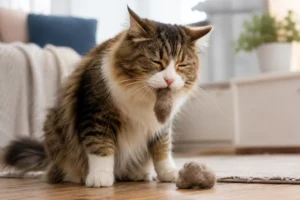
Any cat owner knows the sound: that unmistakable middle-of-the-night hack, hack, hack coming from somewhere in the house, followed by the familiar search for what your cat has left behind. In many cases, it is simply a hairball or a meal eaten too quickly, and there is no immediate reason to panic. However, repeated vomiting can sometimes be your cat’s way of showing that something is not right, and knowing the difference is important.
Cats are naturally independent and often hide signs of discomfort, which makes it challenging for owners to notice health concerns early. Vomiting is one of the more common reasons cats require veterinary attention, and while occasional episodes may be harmless, frequent, severe, or ongoing vomiting can indicate an underlying issue that needs care.
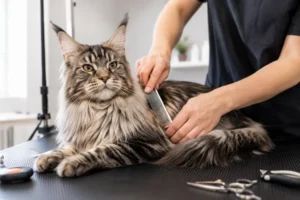
Maintaining your cat’s overall health involves more than responding when problems appear. Regular care routines, including pet grooming in Abu Dhabi, help support your cat’s hygiene, coat health, and overall wellbeing. Grooming sessions also provide an opportunity to notice changes such as weight loss, skin problems, coat condition, or unusual signs that may require further attention.
In this guide, we’ll explore the common causes of cat vomiting, the warning signs you should not ignore, and when it is time to seek professional advice to keep your feline companion healthy and comfortable.
Common Causes of Cat Vomiting
1. Hairballs
Cats are meticulous groomers, and in the process, they swallow loose fur. This can lead to hairballs, which are typically coughed up rather than vomited. However, if hairballs become too large, they can cause blockages and digestive discomfort, leading to frequent vomiting.
2. Eating Too Fast
Some cats gobble up their food too quickly, which can cause them to regurgitate undigested food soon after eating. Using a slow feeder or dividing meals into smaller portions can help prevent this.
3. Dietary Changes or Food Intolerance
Sudden changes in diet can upset a cat’s stomach, leading to vomiting. Additionally, some cats may have food allergies or intolerances to certain ingredients, such as dairy, grains, or artificial additives.
4. Gastrointestinal Issues
Conditions like inflammatory bowel disease (IBD), gastritis, or colitis can cause chronic vomiting in cats. Symptoms may also include diarrhea, weight loss, or decreased appetite.
5. Parasites or Infections
Intestinal parasites like worms can lead to vomiting, as can bacterial or viral infections. If your cat frequently vomits and has other symptoms like lethargy or diarrhea, a vet visit is essential.
6. Poisoning or Toxic Substances
Some household items, including certain plants (like lilies), human medications, chemicals, and even certain human foods (such as onions and chocolate), can be toxic to cats and induce vomiting.
7. Kidney or Liver Disease
Vomiting can be an early sign of kidney or liver disease, particularly in older cats. If your cat is vomiting frequently and also drinking more water, urinating more often, or losing weight, consult a veterinarian immediately.
8. Stress or Anxiety
Cats are sensitive creatures, and stress from environmental changes, new pets, or disruptions in routine can sometimes lead to vomiting. Ensuring a calm, stable environment can help alleviate stress-related stomach issues.
When Should You Worry?
While occasional vomiting might not be alarming, the following signs indicate it’s time to see a vet:
- Vomiting more than once a day or several times a week
- Blood in the vomit
- Lethargy, weakness, or unusual behavior
- Refusal to eat or drink
- Signs of pain, such as yowling or hunching over
Keeping Your Cat Healthy with Proper Care
Regular grooming plays a crucial role in preventing some of the causes of vomiting, such as excessive hair ingestion leading to hairballs. If you’re looking for professional pet grooming services in Abu Dhabi, Nin9Tails is the best choice. Our expert groomers ensure your cat’s coat remains healthy and tangle-free, reducing hairball formation and promoting overall well-being. Book an appointment today and let us pamper your feline friend with the care they deserve!
Frequently asked questions
Can neglecting grooming really make my dog sick?
Yes. Poor grooming can lead to skin infections, hot spots, ear infections, parasite infestations, painful matting, and dental disease. Grooming is genuinely part of preventive healthcare, not just about appearance.
How often should I groom my dog?
Most dogs need professional grooming every 4–8 weeks, depending on breed and coat, alongside regular brushing at home. Your groomer can advise on the right schedule for your dog.
Why is matting so bad for dogs?
Mats pull tightly on the skin, causing pain, sores, and restricted movement, and they trap moisture that leads to infection. Severe mats should be removed by a professional, never cut out at home.
What are the signs my dog needs grooming urgently?
Persistent scratching, a bad smell, visible mats, head-shaking, red or irritated skin, overgrown nails, or excessive tear staining are all signs your dog is overdue for grooming and possibly a vet check.
Does professional grooming help catch health problems early?
Absolutely. Groomers handle your dog’s whole body and often spot early signs of skin issues, ear infections, lumps, and parasites before an owner would notice them.
Conclusion
Grooming your dog isn’t just about a shiny coat and a fresh smell — it’s about protecting their skin, ears, eyes, paws, teeth, and overall comfort from a long list of avoidable problems. Neglect adds up quietly; consistent care prevents it just as quietly.