
Aisha noticed it happening almost every evening. Her cat Mishmish would sprint to his bowl the second dinner hit the floor, inhale the whole portion in under a minute, and then bring it right back up a few minutes later. She assumed something was wrong with the food, tried switching brands twice, and nothing changed. It wasn’t until her vet asked one simple question, “how fast does he eat?”, that she realized the food was never the problem. Mishmish was simply eating too much, too fast, for his small stomach to handle.
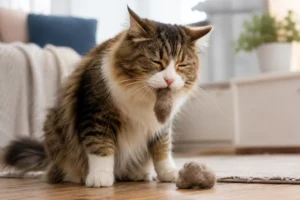
If this sounds familiar, you’re not alone. Cats can absolutely vomit from overeating, and it’s one of the more common, and most fixable, reasons behind post-meal vomiting.
Can Cats Vomit from Overeating?
Yes. When a cat eats too much or too quickly, their stomach stretches suddenly, which can trigger regurgitation or vomiting shortly after the meal. This is especially common in multi-cat households, where cats sometimes eat fast out of competition, or in cats that gulp down food and swallow air along with it.
That said, vomiting isn’t always about overeating. It can also point to hairballs, food intolerance, a sudden diet change, stress, or in some cases, an underlying health condition. Knowing the difference matters, which is why it helps to look at the full picture.
Common Causes of Vomiting After Eating
A few factors tend to come up again and again:
- Eating too quickly some cats gulp their food, especially if they feel like they’re competing with another pet for it
- Large meals a big portion all at once can overwhelm a small stomach
- Low-quality food poor ingredients can trigger digestive upset
- Sudden diet changes switching food abruptly can shock the digestive system
- Stress or anxiety changes at home can affect appetite and eating behavior
- Hairballs especially in long-haired cats or those that groom themselves often
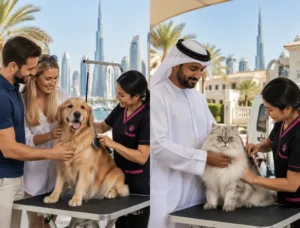
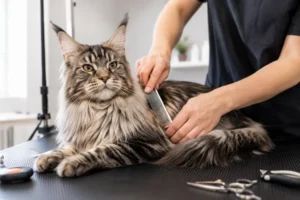
On that last point, keeping your cat’s coat well maintained genuinely helps reduce how much loose fur they swallow while self-grooming, which in turn can cut down on hairball-related vomiting. Services like cat grooming in Dubai focus on exactly this, managing excess fur before it becomes a hairball problem.
Solutions to Prevent Overeating-Related Vomiting
If overeating looks like the cause, a few changes usually help.
1. Offer smaller meals:
Splitting food into smaller, more frequent portions prevents the stomach from being overloaded all at once, while still keeping your cat satisfied through the day.
2. Slow down mealtime:
Puzzle feeders or slow-feed bowls make it harder for your cat to gulp their food, which also cuts down on the amount of air they swallow, a common trigger for vomiting shortly after eating.
3. Stick to a routine:
Cats do well with consistency. Feeding at the same times each day helps regulate appetite and reduces the frantic, rushed eating that often leads to vomiting.
4. Choose high-quality food:
Easily digestible, high-protein food supports a healthier digestive system and reduces the kind of sensitivity that can trigger vomiting.
5. Reduce stress in their environment:
A calm, quiet spot to eat, away from other pets or loud noise, makes a real difference for cats that eat fast out of anxiety or competition.
When Vomiting Is a Sign of Something More Serious
Occasional vomiting tied to overeating usually isn’t a red flag on its own. But you should contact your vet if your cat:
- Vomits more than once a day, or more than a couple of times a month
- Shows lethargy or a drop in appetite
- Has diarrhea, blood in the vomit, or unexplained weight loss
- Struggles or strains while trying to bring up a hairball
Frequent or severe vomiting can point to something beyond overeating, including infections, parasites, or organ-related issues, so it’s always worth getting checked rather than assuming it’s just a fast eater.
The Role of Grooming in Reducing Hairball Vomiting
Hairballs are one of the most overlooked causes of vomiting in cats, particularly long-haired breeds or cats that groom themselves excessively. Regular grooming reduces how much fur gets swallowed in the first place. Cat grooming in Abu Dhabi sessions focus on more than just a clean coat, they help prevent matting and cut down on the loose fur your cat would otherwise be ingesting during self-grooming.
If a busy schedule makes salon visits hard to fit in, mobile cat grooming brings the same service to your door, which can make it easier to stay consistent.
Frequently Asked Questions
Is it normal for cats to vomit occasionally?
Occasional vomiting, especially right after eating too fast, isn’t usually a concern. Frequent vomiting, more than once a day or several times a month, is worth a vet visit.
How can I tell if my cat’s vomiting is from overeating or something else?
Vomiting shortly after a large or fast meal, with your cat otherwise acting normal, points to overeating. Lethargy, appetite loss, diarrhea, or blood in the vomit suggest something else and need a vet check.
Does grooming actually help with cat vomiting?
Yes, indirectly. Grooming reduces the amount of loose fur a cat swallows while self-grooming, which lowers the risk of hairball-related vomiting specifically, though it won’t affect vomiting caused by overeating or other issues.
What’s the fastest way to stop my cat from eating too fast?
A slow-feed bowl or puzzle feeder is usually the quickest fix, alongside splitting meals into smaller, more frequent portions.
Final Thoughts
So, can cats vomit from overeating? Yes, and in most cases it’s one of the easier issues to manage. Smaller meals, a slower feeding pace, a consistent routine, and quality food go a long way. Keep an eye on how often it happens, and don’t hesitate to check in with your vet if the pattern changes. A little attention now, like Aisha eventually gave Mishmish, usually makes all the difference.