Maya, a Dubai-based cat owner, almost missed it. Her cat Simba had always been food-driven, so when he started begging for meals more than usual, she assumed he was just being his greedy self. It wasn’t until she noticed him drinking from his water bowl constantly, and refilling it twice a day instead of once, that she got worried enough to call her vet. The diagnosis: diabetes. Caught early, Simba’s condition was manageable, and today he lives a normal, active life on a simple daily routine.
Stories like Maya’s are common. Diabetes is one of the more frequent health conditions in aging dogs and cats, and it’s easy to miss in the early stages because the signs look like ordinary behavior at first. The good news is that with early detection and the right care, diabetic pets can live long, comfortable lives.
What Is Diabetes in Pets?
Diabetes happens when a pet’s body either doesn’t produce enough insulin or can’t use it properly, leaving too much sugar in the blood. Left unmanaged, this can lead to serious complications.
- Dogs more commonly develop a form similar to Type 1 diabetes, where the pancreas doesn’t make enough insulin.
- Cats more often develop a form similar to Type 2 diabetes, where the body doesn’t respond normally to the insulin it does produce.
Both types require prompt veterinary attention once diagnosed, since diabetes doesn’t go away on its own and tends to get harder to manage the longer it’s left untreated.
Early Warning Signs to Watch For
Catching diabetes early makes a real difference in how easily it can be managed. The early signs are subtle, but worth watching for:
- Increased thirst and urination your pet drinking or needing the bathroom noticeably more than usual
- Unexplained weight loss, even with a normal or increased appetite
- Increased hunger acting hungry shortly after being fed
As the condition progresses without treatment, signs can become more serious:
- Lethargy and low energy
- Vomiting or loss of appetite
- Cloudy eyes or vision changes
- In advanced cases, a sweet or acetone-like smell on the breath, which can signal a dangerous complication called diabetic ketoacidosis
If you notice any of the advanced signs, don’t wait, get your pet to a vet right away.
Managing Diabetes: Diet, Insulin, and Monitoring
Diabetes can’t be cured, but it can almost always be managed well with a consistent routine. Treatment typically involves three parts working together.
1. Diet
A vet-recommended diabetic diet helps keep blood sugar more stable. This usually means high-fiber, low-glycemic food, and sticking to consistent mealtimes each day so glucose levels don’t swing unpredictably. Your vet is the right person to recommend the specific diet or brand suited to your pet’s condition.
2. Insulin therapy
Most diabetic pets need regular insulin injections, often twice daily, to replace what their body isn’t producing or using correctly. This might sound intimidating at first, but most owners find it becomes a simple, routine part of the day within a couple of weeks. Never adjust an insulin dose without your vet’s direction, both too much and too little can be dangerous.
3. Monitoring
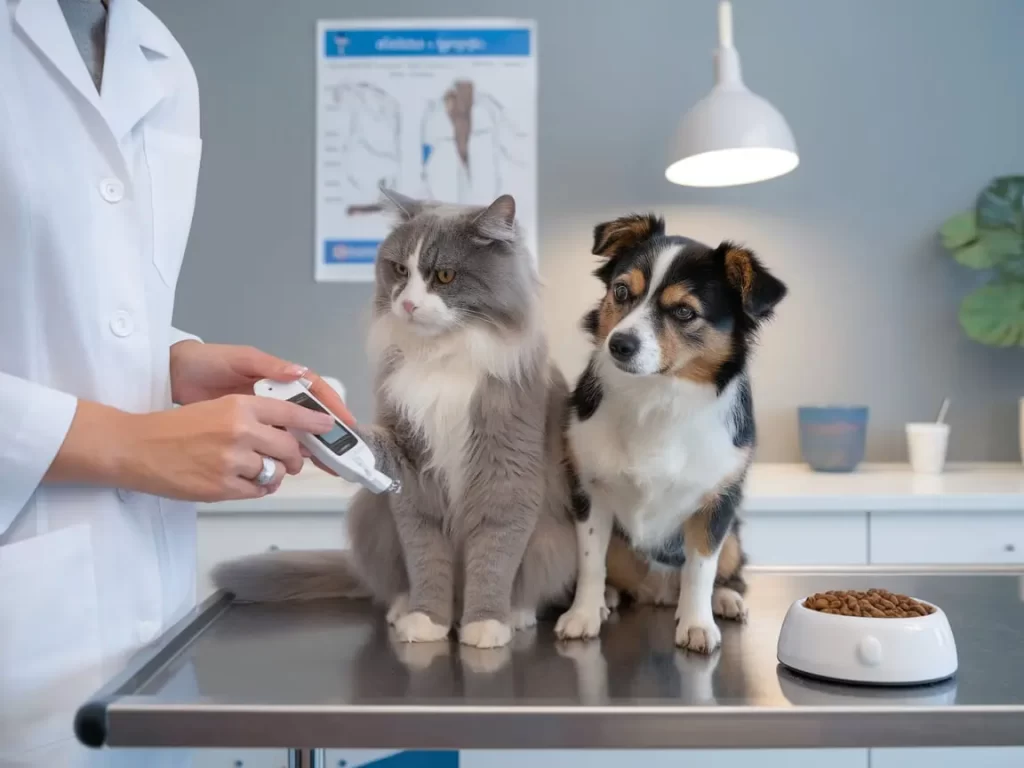
Tracking your pet’s blood glucose, either at home with a pet-specific glucometer or through regular vet visits, helps confirm the treatment plan is working. Expect your vet to recommend periodic blood glucose checks, especially in the weeks after diagnosis or after any dose adjustment.
Prevention and Lifestyle Support
Diabetes isn’t always preventable, but a few habits lower the risk and make ongoing management easier:
- Regular, moderate exercise to help keep blood sugar stable
- Maintaining a healthy weight, since excess weight makes blood sugar control harder
- A calm, low-stress home environment, since stress can affect blood sugar too
- Routine vet checkups to catch changes early
Where Grooming Fits In
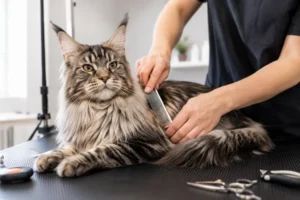
Grooming isn’t a substitute for veterinary care, but regular sessions do give groomers a close-up view of your pet on a routine basis. A groomer isn’t diagnosing anything, but noticing sudden weight changes, a dull coat, low energy, or unusual thirst during a visit is worth mentioning to you, and worth following up with your vet. If you’re due for a session, dog grooming in Dubai and cat grooming in Dubai appointments are also a good moment to mention any changes you’ve noticed at home, so everyone caring for your pet is on the same page.
Frequently Asked Questions
Can diabetes in pets be cured?
No, but it can almost always be managed successfully with insulin, diet, and monitoring. Many diabetic pets live long, comfortable lives once their treatment plan is stable.
How do I know if my pet’s diabetes is an emergency?
Vomiting, sudden loss of appetite, extreme lethargy, or an unusual sweet smell on the breath can signal diabetic ketoacidosis, a serious complication. These signs need immediate veterinary attention.
Can grooming appointments help catch diabetes early?
Groomers aren’t able to diagnose diabetes, but regular visits mean they may notice physical changes like weight loss or a dull coat, and can flag it to you so you can check in with your vet.
Is diabetes more common in dogs or cats?
Both are commonly affected, but the type tends to differ. Dogs more often develop a form similar to Type 1 diabetes, while cats more often develop a form similar to Type 2.
Final Thoughts
Diabetes in pets can feel overwhelming at first, but with early detection, a consistent routine, and your vet’s guidance, it’s very manageable. Watch for the early signs, stick to the treatment plan your vet recommends, and keep up with routine care, including grooming, since every part of your pet’s care works together to help them live a longer, healthier life.