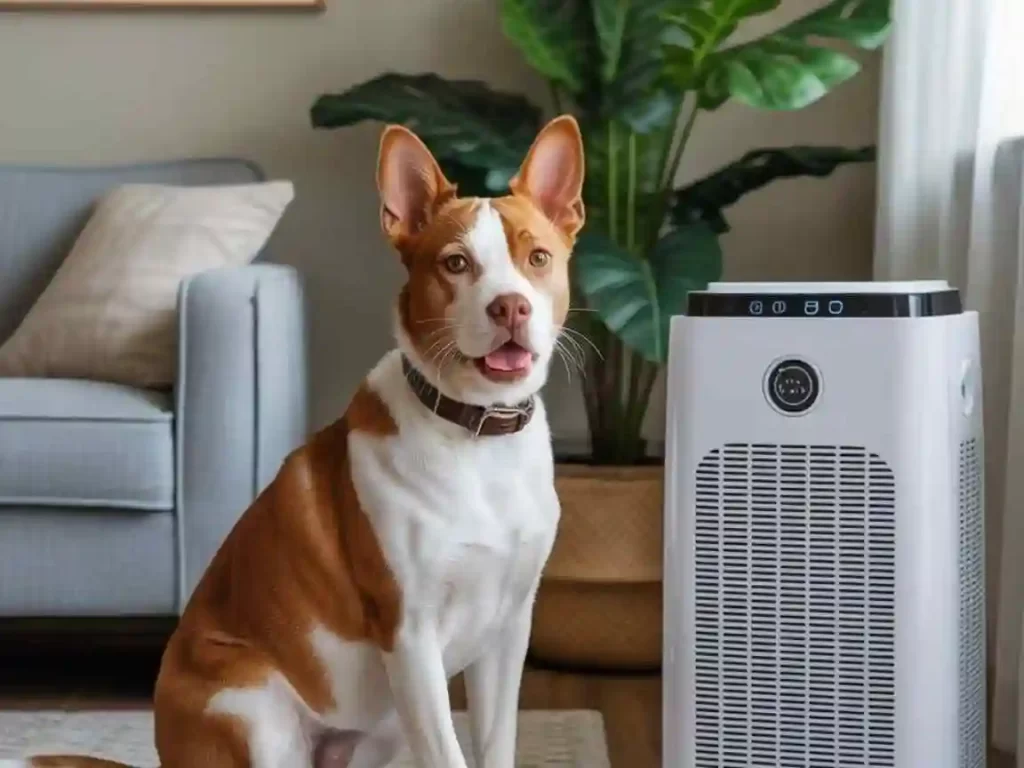
Quick answer: Yes, air purifiers with true HEPA filters can meaningfully reduce airborne pet dander and allergens, but they work best alongside regular grooming and home cleaning, not as a standalone fix. HEPA filtration captures the microscopic particles that trigger most pet allergy symptoms.
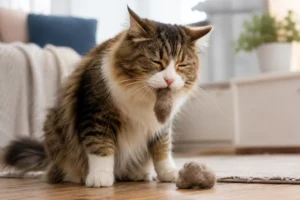
If you’re a pet owner, you already know the deal: unconditional love, and often, a fair share of sneezing. Pet allergies are common among owners and their families, mostly triggered by dander, saliva, and loose hair. It’s a familiar cycle for a lot of households, someone starts sneezing more during shedding season, a family member’s eyes get itchy after cuddling the dog, and eventually the question comes up: would an air purifier actually help, or is it just another gadget that sits in the corner doing very little?
Here’s a complete, honest breakdown of what air purifiers can and can’t do for pet allergies.
Understanding Pet Allergies
Pet allergies are triggered by microscopic particles, mainly dander (tiny flakes of skin) and saliva proteins that cling to fur. Once these particles become airborne, they can cause:
- Sneezing and a runny nose
- Watery or itchy eyes
- Skin irritation
- Difficulty breathing, in more severe cases
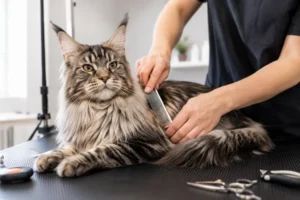
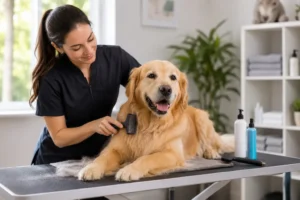
Regular pet grooming in Dubai or pet grooming in Abu Dhabi can significantly cut down on loose fur and dander at the source, but some particles inevitably still end up airborne. That’s the gap air purifiers are designed to fill.
How Air Purifiers Help with Pet Allergies
Air purifiers work by capturing airborne allergens, dust, and other particles. The type of purifier matters quite a bit here.
1. HEPA Filters
True HEPA (High-Efficiency Particulate Air) filters can trap 99.97% of particles as small as 0.3 microns, which makes them genuinely effective at capturing pet dander and hair, the two biggest allergy triggers in most homes.
2. Activated Carbon Filters
These absorb pet odors and certain chemical compounds, helping keep a home smelling fresh alongside allergen reduction.
3. UV or Ionizing Purifiers (Optional)
Some advanced purifiers also neutralize bacteria and viruses. These are best treated as a complement to HEPA filtration, not a replacement for it.
Used correctly, an air purifier lowers the overall concentration of allergens in a room’s air, which translates to fewer sneezes and noticeably cleaner indoor air over time.
Additional Tips for Managing Pet Allergies
Air purifiers are effective, but they work best as part of a broader routine, not a standalone fix.
1. Groom Your Pets Regularly
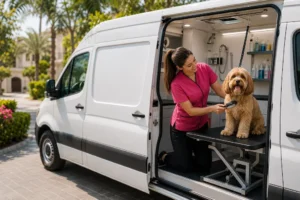
Professional grooming reduces shedding and dander buildup at the source. In the UAE, services like pet grooming in Dubai and pet grooming in Abu Dhabi help keep pets cleaner and more allergy-friendly between air purifier cycles.
2. Clean Your Home Frequently
Vacuum with a HEPA-filter vacuum and wash pet bedding regularly. Dust and dander settle into furniture, rugs, and curtains far more than most owners realize.
3. Manage Your Pet’s Health
Some underlying health conditions can worsen shedding or skin flakiness. For example, managing diabetes in pets matters for more than blood sugar alone, since uncontrolled diabetes can contribute to skin infections or excessive shedding, both of which add to the allergen load in a home.
4. Designate Pet-Free Zones
Keeping bedrooms and upholstered furniture as pet-free zones helps limit allergen buildup in the spaces where people spend the most concentrated time, especially overnight.
Do You Really Need an Air Purifier?
If you or a family member deals with pet allergies, an air purifier is a genuinely worthwhile investment. It won’t replace cleaning or grooming entirely, but it can:
- Reduce allergy flare-ups
- Minimize airborne dander
- Improve overall indoor air quality
For pet owners in the UAE, pairing regular grooming with a quality HEPA air purifier tends to create a noticeably more comfortable home environment for everyone, allergic or not.
Frequently Asked Questions
Do air purifiers eliminate pet allergies completely?
No, they reduce airborne allergens significantly but don’t eliminate them entirely. Combining a purifier with regular grooming and cleaning gives the best results.
What type of air purifier is best for pet allergies?
A true HEPA filter is the most important feature to look for, since it captures the fine particles responsible for most pet allergy symptoms. Activated carbon filters are a helpful bonus for odor control.
How often should I run an air purifier for pet allergies?
Running it continuously, or at least during peak shedding times, tends to be most effective, since allergens are constantly being reintroduced into the air by pets moving around the home.
Can grooming alone solve pet allergy problems without an air purifier?
Grooming significantly reduces allergens at the source, but airborne particles still accumulate over time, so a purifier adds meaningful extra protection, especially for people with more sensitive allergies.
Conclusion
Air purifiers do work for pet allergies, but they’re most effective when combined with proper pet care and home cleaning habits. By investing in a quality purifier, scheduling routine grooming through pet grooming in Dubai or pet grooming in Abu Dhabi, and staying attentive to your pet’s health, including things like managing diabetes in pets, you can enjoy a genuinely more comfortable, sneeze-free life with your companions.