Cats communicate mostly through body language, not sound, can jump up to six times their body length, sleep 12–16 hours a day, and have a sense of smell far stronger than humans. Understanding these traits helps owners read their cat’s needs more accurately and build a stronger bond.
Cats are mysterious, graceful, and endlessly fascinating. Most owners fall in love with the obvious things first, the purring, the playful pouncing, the way a cat curls up in a sunbeam like it owns the house. But the longer you live with a cat, the more you start noticing the small, strange details that don’t quite make sense at first. A slow blink that feels oddly meaningful. A refusal to eat from a certain bowl for no obvious reason. A sudden burst of energy at 2am for absolutely no reason at all.
Once you understand why cats do these things, the mystery starts to make a lot more sense. This guide breaks down some of the most fascinating facts about cats and what they reveal about how your feline friend actually experiences the world.
Cats Communicate in Unique Ways
Unlike dogs, cats rely far more on body language and subtle sound than vocal cues. A slow blink, for instance, is a genuine sign of trust and affection often called a “cat kiss,” and it’s one of the easiest ways a cat tells you it feels safe around you. Tail position, ear angle, and even whisker movement all reveal shifting emotions, from curiosity to stress, often well before a cat makes a sound at all.
Learning to read these signals changes how you respond to your cat day to day. Pairing that awareness with regular care, like cat grooming in Abu Dhabi, helps you catch subtle signs of discomfort early, since a groomer handling your cat closely often notices body language shifts an owner might miss at home.
Cats Can Jump Up to Six Times Their Height
One of the most impressive feline abilities is their agility. Cats can leap as high as six times their body length in a single bound, powered by strong hind legs built for both hunting and play. It’s the same instinct behind a cat suddenly launching itself onto a bookshelf or the top of a fridge, seemingly just to prove it can.
That instinct doesn’t disappear indoors it just needs somewhere to go. Giving your cat safe spaces to climb and jump, like a cat tree or sturdy shelving, satisfies this natural drive instead of leaving it to find its own targets around your home.
Purring Has Healing Properties
Cats don’t only purr when happy. Purring can also signal self-soothing, or even serve as a coping mechanism during pain. Some researchers believe the vibration frequency of a cat’s purr may support processes like bone healing, stress reduction, and even lower blood pressure, in both cats and the humans around them.
It’s part of why a purring cat curled up next to you can feel so calming, even after a rough day. Combined with good grooming and general care, this soothing behavior plays a real role in a cat’s overall wellbeing.
Grooming Is More Than Just Cleanliness
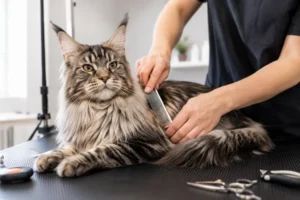
Cats spend a significant chunk of their day grooming themselves. It regulates body temperature, stimulates blood flow, and spreads natural oils across their coat. But self-grooming has limits, especially for long-haired breeds, where mats and tangles can build up faster than a cat can manage alone.
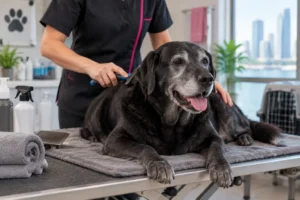
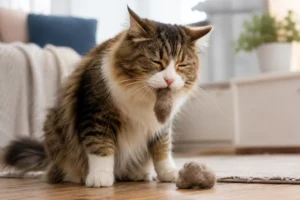
This is usually the moment owners realize brushing needs to become part of the routine too, not just something the cat handles on its own. Regular brushing reduces hairballs, prevents matting, and tends to become a bonding ritual in its own right. For busy households, pet grooming in Abu Dhabi can help keep a cat’s coat healthy and comfortable year-round.
Cats Have an Incredible Sense of Smell
A cat’s sense of smell is significantly stronger than a human’s, and they rely heavily on scent to identify people, other pets, and territory. It’s why a cat rubbing its face against furniture, or against you, isn’t just affection, it’s actively marking territory with scent glands.
This heightened sense also shapes food preferences more than most owners realize. A cat turning up its nose at a perfectly healthy meal is often reacting to an unfamiliar smell, not the actual nutritional content.
Cats Sleep an Average of 12–16 Hours a Day
It’s no surprise to see a cat lounging around most of the day, but few owners realize just how much sleep that adds up to cats spend roughly two-thirds of their lives asleep. It’s a habit passed down from wild ancestors, who needed to conserve energy between hunts.
Kittens and senior cats tend to sleep even more, while active adults may snooze slightly less. A quiet, cozy resting spot goes a long way toward keeping a cat well-rested and content.
Why Cats Enjoy Being Petted
Many owners wonder why their cat seems to melt under a gentle scratch behind the ears, and the answer goes deeper than simple affection. Petting echoes the grooming and closeness cats experienced from their mother and littermates as kittens. Soft strokes along the cheeks, head, and back trigger bonding hormones that help a cat feel safe and relaxed.
That said, tolerance varies a lot between individual cats, so it’s worth watching body language closely and stopping if a cat starts flicking its tail or pulling away, both classic signs of overstimulation.
Cats Are Natural Hunters
Even the most pampered indoor cat holds onto strong hunting instincts. It’s why a cat will chase a toy across the room, pounce on a moving shadow, or stalk an insect with total focus, the same instincts that would have once helped it survive in the wild.
Interactive play, using feather wands, laser toys, or puzzle feeders, gives that instinct somewhere productive to go, which keeps a cat mentally engaged and helps prevent boredom-driven behavior.
Whiskers Are Super Sensitive
A cat’s whiskers aren’t just decorative. They’re finely tuned sensors that help detect changes in the environment, navigate tight spaces, and judge whether a gap is actually safe to fit through.
This sensitivity explains a strange but common behavior: some cats simply refuse to eat from deep, narrow bowls. Their whiskers brush against the sides repeatedly, which can be uncomfortable enough to put them off the meal entirely. Switching to a wide, shallow dish often solves the problem instantly.
Mobile Grooming for Stress-Free Care
Not every cat handles leaving home well. A trip to a grooming salon can be genuinely stressful for shy or anxious cats, sometimes undoing the calm a groomer worked hard to build. Mobile grooming in Abu Dhabi solves this by bringing the groomer to your cat instead, keeping coats, nails, and hygiene well-maintained without the added stress of travel.
Frequently Asked Questions
Why do cats slow blink at their owners?
A slow blink is a genuine sign of trust and affection, sometimes called a “cat kiss.” Slow blinking back at your cat can actually help reinforce that bond.
Is it true that cats sleep most of their lives?
Yes, cats typically sleep 12–16 hours a day, which adds up to roughly two-thirds of their life. This is inherited behavior from wild ancestors who needed to conserve energy for hunting.
Why does my cat refuse to eat from a deep bowl?
This is usually linked to whisker sensitivity. Deep, narrow bowls press against a cat’s whiskers repeatedly, which some cats find uncomfortable enough to avoid the bowl entirely.
Does purring actually help cats heal?
Some researchers believe the vibration frequency of a purr may support bone and tissue healing, though this remains an area of ongoing scientific study rather than a fully settled fact.
Conclusion
Cats are far more complex and fascinating than most owners realize. From powerful jumps and healing purrs to sensitive whiskers and daily grooming habits, every part of feline behavior reflects a long, unique evolutionary history.
Understanding these traits, paired with proper care through services like cat grooming Abu Dhabi or mobile grooming Abu Dhabi, helps ensure your cat stays happy, healthy, and comfortable. The more you learn about your feline companion, the deeper that bond tends to grow.