
A small amount of ear wax is normal and helps protect the ear canal, but dark discharge, a strong odor, or frequent head shaking usually points to mites, infection, or allergies. Weekly checks and vet-approved cleaning help catch problems early.
Cats have a reputation for being meticulous groomers, which is exactly why it catches owners off guard when their cat’s ears seem to collect dirt or wax faster than expected, even with regular care. It’s a common enough concern a cat scratching at one ear more than usual, tilting its head slightly, or a faint smell that wasn’t there a week ago. Owners often brush it off at first, assuming it’s just normal buildup, until the scratching becomes more frequent or the smell becomes hard to ignore. Some buildup really is nothing to worry about, but persistent debris can be an early sign of something that needs attention. Understanding the difference, and knowing how to care for your cat’s ears properly, makes it much easier to catch problems before they escalate.
Normal Ear Wax vs Concerning Dirt
A small amount of ear wax is natural,it helps protect the ear canal from dust and bacteria. But if you notice excess buildup, dark discharge, or a strong odor, it could signal infection, mites, or another underlying issue. Learning to tell the difference between normal maintenance and a genuine concern is the foundation of proactive ear care.
Common Reasons for Dirty Cat Ears
Ear Mites
These tiny parasites are a frequent cause of dirt-like debris inside the ear. It’s often the head shaking that gives it away first a cat suddenly flicking its ears or scratching at the same spot repeatedly, well before an owner even looks inside the ear itself.
Infections
Bacterial and yeast infections can produce brown or yellow discharge, sometimes with an unpleasant smell. These typically require veterinary treatment rather than home care alone, and they tend to get worse quickly if left untreated.
Allergies and Irritants
Environmental allergies or food-related reactions can also lead to excessive wax production and general discomfort. This one’s often missed the longest, since the ear symptoms can seem disconnected from something like a recent food change.
Grooming Habits
Some cats simply have more difficulty keeping their ears clean due to anatomy or age, which makes them more prone to buildup regardless of how well they groom otherwise.
The Role of Professional Grooming
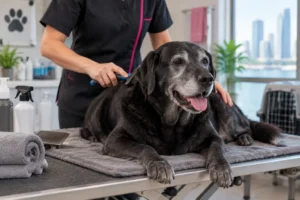
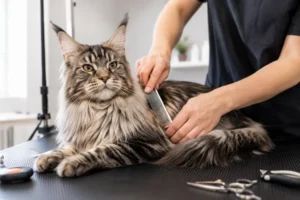
Cats that deal with frequent ear issues often benefit from expert care. Professional grooming means ears get checked regularly and cleaned gently as part of routine visits. It’s a common pattern groomers notice: an owner mentions their cat’s been “a bit off” lately, and a closer ear check turns out to be exactly where the answer was. Many owners turn to Pet Grooming in Abu Dhabi services for this reason, where trained staff can catch early signs of infection or irritation while providing thorough, careful cleaning.
Nutrition and Ear Health
A healthy diet influences nearly every aspect of feline wellbeing, including ear condition. Cats on high-quality food tend to produce more balanced wax levels and show fewer allergy-related symptoms. Alongside good nutrition, professional care through Cat Grooming in Abu Dhabi helps catch secondary issues early, since groomers are often the first to notice subtle skin or coat changes tied to allergies, sometimes before the owner has connected the dots themselves.
Cleaning Cat Ears at Home
When to Clean
Ears should only be cleaned when they actually look dirty — over-cleaning can cause irritation on its own. Always use a vet-approved solution, or check with your vet before trying a new cleaning method.
Technique
Gently hold your cat and lift the ear flap. Use a cotton pad with an ear-cleaning solution to wipe away visible debris. Avoid inserting cotton swabs deep into the ear canal, since this can cause injury rather than help.
Some owners look into natural approaches, like cleaning cat ears with olive oil, but it’s worth checking with your vet before trying any home remedy to make sure it’s genuinely safe for your cat’s specific situation.
Daily Care and Monitoring
Regular checks: Inspect your cat’s ears weekly for redness, swelling, or odor. Catching issues early makes treatment simpler and faster, often the difference between a quick cleaning and a longer course of medication.
Grooming support: In busy households, Mobile Grooming in Dubai offers real convenience. Groomers arrive fully equipped, making the process less stressful for cats while giving owners peace of mind without the extra errand.
When to Seek Veterinary Help
Some ear conditions need immediate medical attention. Contact your vet if you notice:
- Persistent head shaking or scratching
- A strong, foul odor from the ears
- Dark, coffee-ground-like debris
- Swelling or redness in the ear canal
- Signs of hearing loss or pain
Delaying treatment can allow infections to worsen and affect your cat’s long-term ear health.
Preventive Strategies for Healthy Ears
- Maintain a balanced diet to help reduce allergy-related issues.
- Keep your home reasonably free of dust and irritants that can contribute to buildup.
- Build ear checks into your regular grooming routine to support early detection.
- Schedule routine veterinary visits for checkups and professional guidance.
Frequently Asked Questions
How often should I clean my cat’s ears?
Only when they actually look dirty most cats don’t need routine ear cleaning, and over-cleaning can cause irritation. Weekly visual checks are enough for most cats.
What does it mean if my cat’s ear discharge looks like coffee grounds?
Dark, coffee-ground-like debris is a common sign of ear mites and usually needs veterinary treatment to fully clear up.
Is it safe to use olive oil to clean my cat’s ears?
It’s sometimes used as a home remedy, but it’s best to check with your vet first to make sure it’s appropriate for your cat’s specific ear condition.
Can allergies really cause dirty ears in cats?
Yes, both food and environmental allergies can lead to excess wax production and ear irritation, often alongside other symptoms like skin itching.
Conclusion
Dirty ears in cats can stem from normal wax buildup, mites, infections, or allergies. Regular inspection, safe cleaning practices, and professional grooming all play a role in long-term ear health. Owners who rely on Pet Grooming Abu Dhabi, schedule regular Cat Grooming Abu Dhabi sessions, or choose the convenience of Mobile Grooming Dubai get extra support in managing their cat’s hygiene. With consistent care and early intervention, your cat can enjoy clean, comfortable, and healthy ears.