
Blocked anal glands are one of the most common and preventable grooming-related health issues in dogs. Regular bathing, fur trimming, brushing, gland checks, and a fiber-rich diet all work together to keep glands emptying naturally and reduce the risk of painful blockages.
With year of experience, anal gland issues are one of the things I catch most often, and owners are almost always surprised. I remember a client’s Cocker Spaniel, Buddy, coming in for a routine bath, and his owner had no idea anything was wrong. During the session, I noticed the classic signs, mild scooting, a faint odor, slight swelling near the tail, and flagged it right away. A quick vet visit confirmed it was an early blockage, caught well before it became painful.
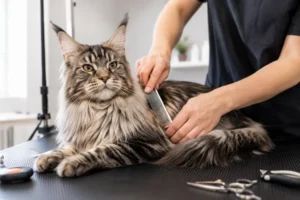
That’s the pattern I see constantly. Most owners assume grooming is just about a clean coat, but in reality, it’s one of the easiest ways to catch health issues early, before they turn into something serious. Professional Pet Grooming Abu Dhabi sessions build in these checks as a normal part of every visit, not an extra step.
In this guide, I’ll walk through five ways grooming helps prevent blocked anal glands, the same checks that caught Buddy’s issue in time.
Regular Bathing Keeps the Skin and Glands Healthy
- Frequent bathing with gentle, dog-friendly shampoo helps maintain healthy skin.
- Clean skin and coat reduce the chance of irritation or infection near the anal area.
- Groomers often use specialized shampoos that support healthy gland function while keeping the coat soft and shiny.
Tip: Avoid harsh shampoos, they can dry out the skin and cause your dog to over-scratch, which puts extra pressure on the anal glands.
Trimming the Fur Around the Rear Area
- Excess fur around the backside traps dirt, debris, and bacteria, raising the risk of anal gland problems.
- This area needs to be trimmed neatly and carefully.
- A clean, trimmed area reduces irritation, prevents infection, and makes gland expression easier when needed.
Always let a trained groomer handle this they know how to trim safely without causing discomfort.
Regular Gland Checks and Expression During Grooming
One of the most important parts of grooming is checking the anal glands directly. During Dog Grooming Abu Dhabi sessions, groomers can spot early signs of blockage swelling, foul odor, or scooting behavior before it turns into something painful.
If needed, a groomer can manually express the glands to release buildup. This simple step can prevent infections, abscesses, and long-term gland issues.
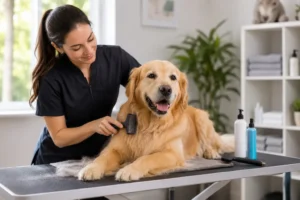
Brushing Promotes Circulation and Health
It might be surprising, but regular brushing supports anal gland health too.
- Brushing stimulates natural oils and improves blood circulation.
- Better circulation supports healthy digestion and skin function.
- A well-maintained coat and healthy circulation help the body function normally, including natural gland emptying.
At home: Brush your dog at least 2–3 times a week, or daily for long-coated breeds.
Diet and Grooming Go Hand in Hand
- A balanced diet plays a real role in preventing blocked anal glands.
- Dogs on high-fiber diets tend to have firmer stools, which naturally help express the glands during bowel movements.
- Many groomers offer basic nutrition guidance alongside grooming to support overall health, not just appearance.
Combine grooming with good habits like regular exercise and proper hydration both support healthy digestion and gland function.
Frequently Asked Questions
How do I know if my dog’s anal glands are blocked?
Common signs include scooting on the floor, licking or biting near the tail, a strong or fishy odor, and visible swelling near the anus.
Can grooming alone prevent anal gland problems?
Grooming significantly lowers the risk, especially when combined with a fiber-rich diet and regular vet check-ups, but some dogs are still more prone to blockages due to breed or health factors.
How often should a groomer check my dog’s anal glands?
Most dogs benefit from a check every 4–6 weeks during regular grooming, though dogs with a history of blockages may need more frequent checks.
Should I try expressing my dog’s anal glands at home?
It’s best left to a trained groomer or vet. Done incorrectly, it can cause pain or injury.
Final Thoughts
Regular grooming is more than a beauty routine it’s a form of preventive healthcare for your dog. Keeping up with grooming habits helps prevent anal gland issues while keeping your dog clean, comfortable, and confident. Staying alert to changes in your dog’s coat, hygiene, or behavior can help you catch problems early and avoid unnecessary discomfort.
Whether you visit a professional groomer or manage some of this at home, consistency is what matters most. With the right routine, your dog will feel more comfortable, stay healthier, and enjoy a better quality of life.