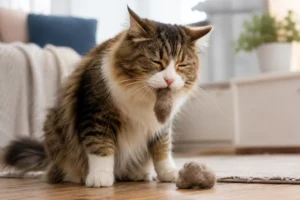

Does your dog bolt the moment it sees a brush? Does it shake, whine, or try to hide when bath time rolls around? In my years grooming dogs across Dubai, I see this exact scene every week, a leash that suddenly feels heavier, a dog pressed flat against the floor, an appointment that turns into a gentle wrestling match. Just last week, a client’s Beagle named Rocky froze solid the second I picked up the clippers, tail tucked, refusing to move until we slowed everything down.
Fear of grooming is one of the most common concerns pet owners bring up, and in my experience, it almost always comes down to a handful of clear causes: unfamiliar tools, loud sounds, or a past experience that didn’t go well.
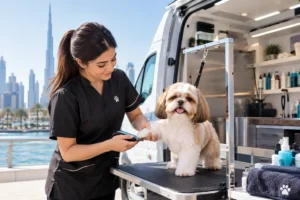
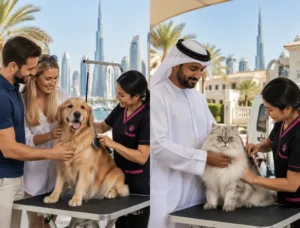
Dogs are usually scared of grooming because of a past bad experience, unfamiliar sounds from clippers or dryers, sensitive body parts being touched without trust, or an unfamiliar, overwhelming environment. Most dogs improve with slow, positive exposure at home and a groomer experienced with anxious pets, mobile grooming, done in your dog’s own space, often helps the most.
Whether you’re searching for a groomer nearby or considering a mobile pet grooming in Dubai that comes to your home, understanding why your dog is scared is the first step. Once you know the cause, fixing it becomes much easier, the way it eventually did for Rocky.
Why Your Dog Is Scared of Grooming: The Common Reasons
Fear doesn’t appear out of nowhere. Here are the most common reasons dogs dread grooming.
A Bad Experience in the Past
If your dog had a painful or frightening grooming session before, it remembers. Dogs connect places and tools with how they felt during past visits. One bad experience is often enough to make them anxious every time after.
Scary Sounds and Tools
Clippers, hair dryers, and nail grinders all make strange, buzzing sounds. To a dog that’s never been slowly introduced to them, these tools feel threatening rather than routine.
Never Groomed as a Puppy
Puppies that weren’t handled or groomed early in life often grow up not knowing what to expect. The earlier grooming starts, the easier it becomes as your dog gets older.
Sensitive Body Parts
Ears, paws, face, and tail are all sensitive areas. Being touched or trimmed there without trust already built can feel uncomfortable, or even painful, to a dog that isn’t used to it.
A Strange Place With Strange People
A new location, an unfamiliar groomer, and the sound of other dogs barking all at once is a lot for any dog to process. It’s no surprise many dogs feel anxious in a busy salon environment.
Does Every Pet Get Scared of Grooming?
Yes, grooming anxiety isn’t just a dog problem. Cats and birds show the same underlying stress, just in different ways.
Dogs tend to shake, whine, try to run, or occasionally snap. They calm down fastest in a familiar place with someone they already trust.
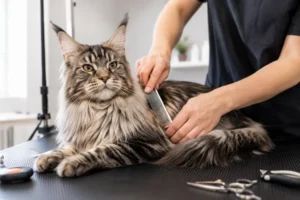
Cats are deeply attached to their home territory, so being taken somewhere new causes stress almost immediately. Even though cats groom themselves, they still need professional care for matted fur and nail trims — bringing the groomer to their home usually works far better than a salon visit.
Birds are naturally wary of being held, since being restrained triggers a prey-animal instinct. A trained bird groomer knows how to handle them calmly and gently to keep that stress to a minimum.
Understanding what specifically scares your pet helps you choose the right grooming approach for them.
Why Mobile Grooming Works Well for Anxious Pets
If your pet gets very anxious during grooming, switching to an at-home mobile service can make a real difference. Here’s why it works so well.
Your pet stays in a familiar space:
When the groomer comes to you, your dog is already somewhere it feels safe, and everything smells familiar. This alone reduces fear significantly.
Full attention, one pet at a time:
Mobile grooming is typically one groomer with one pet, no other barking dogs nearby, no distractions, just focused care from start to finish.
No waiting around:
In a salon, pets often wait alone in a small space before and after their session, and that waiting time adds unnecessary stress. Mobile grooming removes it entirely.
No stressful car ride:
For many dogs, the drive itself is what kicks off the anxiety before grooming even starts. A mobile visit takes that trigger out of the equation completely.
If you’ve been comparing salon options against an at-home groomer, it’s worth knowing that mobile grooming often ends up less stressful and more convenient in the long run.
5 Steps to Help Your Scared Dog Feel Better About Grooming
You can start helping your dog at home today. These steps are simple, and they work with consistency.
Step 1: Touch Your Dog Daily
Gently handle your dog’s paws, ears, and face each day, pairing it with treats and praise. This builds comfort with touch before a grooming tool is ever involved.
Step 2: Introduce Grooming Tools Slowly
Before switching on a clipper or dryer, let your dog sniff and investigate it first, powered off. A slow, calm introduction reduces fear and builds trust over time.
Step 3: Keep Sessions Short at First
Avoid long grooming sessions early on. Start with just a few minutes and gradually extend the time as your dog grows calmer and more confident.
Step 4: Stay Calm Yourself
Dogs pick up on human emotions quickly. Staying calm, patient, and gentle makes it far more likely your dog will relax too.
Step 5: Choose an Experienced Groomer
A groomer who’s used to working with anxious dogs can make a significant difference. Always ask how they handle nervous pets before booking.
Frequently Asked Questions
Why does my dog shake during grooming even at home?
Shaking usually signals anxiety or a past bad experience. Cold water, loud tools, or being held too tightly can also trigger it. With slow, gentle sessions over time, most dogs stop shaking altogether.
When should I start grooming my puppy?
As early as 8 weeks old. Keep the first sessions very short and positive, with plenty of treats. Early exposure makes adult grooming far easier for everyone involved.
Can an older dog learn to stop being scared of grooming?
Yes. Older dogs can absolutely improve with patience and the right approach, it just takes a bit more time than with puppies. Many owners see noticeable improvement after switching to at-home grooming.
Is mobile grooming really better for anxious dogs?
For most anxious dogs, yes. Being groomed at home, in a familiar space, with one person giving full attention, removes most of the triggers that cause fear in the first place.
How do I find a good groomer for my anxious dog?
Look for groomers who specifically mention gentle or anxiety-aware handling. Read reviews from other pet owners, and ask directly how they handle scared dogs before booking.
Conclusion
If your dog is scared of grooming, there’s almost always a reason behind it — a bad past experience, unfamiliar tools, or a stressful environment are the most common causes. The good news is that with patience, a gradual approach, and a groomer who genuinely understands anxious pets, your dog can become noticeably more relaxed over time.
For pet owners looking for a lower-stress option, mobile grooming removes most of the usual stress triggers right away. Whatever your pet needs, always choose a professional who puts their comfort first — book a session with our team and let us help your pet feel at ease.