
Layla noticed a small red patch on her dog Simba’s belly one weekend and assumed it was just irritation from the heat. By midweek, it had grown, started oozing, and Simba wouldn’t stop licking at it. Her vet diagnosed a bacterial skin infection, pyoderma, and prescribed a course of antibiotics specific to what was growing on Simba’s skin. Within days, the redness started clearing. What stuck with Layla afterward was her vet’s advice: catching it early, and knowing what to watch for, would have meant an even simpler fix.
Skin problems in dogs aren’t just uncomfortable, they can turn into serious health issues if left untreated. From redness and rashes to painful sores and infections, your dog may need prompt veterinary care, and in many cases, antibiotics play a key role in getting things back under control.
What Causes Skin Infections in Dogs?
Dogs are prone to skin infections for a number of reasons:
- Allergies (food, pollen, or dust mites)
- Parasites like fleas and ticks
- Fungal or bacterial infections
- Underlying health conditions, such as hormonal imbalances
When any of these compromise the skin’s natural barrier, bacteria that normally live harmlessly on the skin, like Staphylococcus, can take hold and cause an infection that needs treatment.
How Vets Decide on Antibiotic Treatment
If your dog is diagnosed with a bacterial skin infection, your vet will choose an antibiotic based on the type of bacteria involved, the severity and location of the infection, and your dog’s overall health. This sometimes involves a skin scraping or culture to identify exactly what’s causing the problem, since the wrong antibiotic can be ineffective or, worse, contribute to antibiotic resistance over time.
This is exactly why antibiotics for skin infections should never be sourced or given without a vet’s diagnosis, even if two dogs seem to have similar symptoms, the right treatment can be completely different depending on the underlying cause.
Signs Your Dog May Need Veterinary Care
Keep an eye out for these symptoms, and don’t wait too long to act on them:
- Red, inflamed patches
- Oozing or bleeding skin
- Excessive scratching or licking at one area
- Hair loss in patches
- A foul smell coming from the skin
Catching these early, like Layla did, often means a simpler, shorter treatment. Left untreated, minor irritation can progress into a more serious, chronic condition.
Where Grooming Fits Into Skin Health
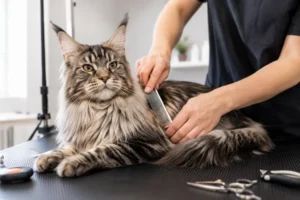
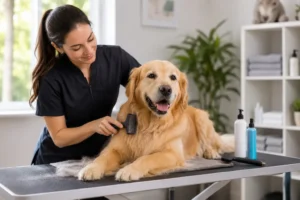
Antibiotics treat infections that have already taken hold, but prevention matters just as much. This is where regular dog grooming in Dubai plays a genuinely useful role. Professional grooming helps:
- Remove dirt, allergens, and bacteria before they build up on the skin
- Catch early signs of irritation, redness, or hot spots before they worsen
- Keep the coat and skin properly moisturized and healthy
Grooming won’t treat an existing infection, but consistent care makes it far less likely one develops in the first place, and gives you (or your groomer) a better chance of noticing something early.
Why Pet Grooming in Dubai Matters for Skin Health
Dubai’s pet care scene has grown to include groomers who understand both the cosmetic and health side of coat care. Many salons and mobile services now offer:
- Medicated baths for sensitive or irritated skin
- Skin-soothing treatments
- Tick and flea removal
If getting to a salon is inconvenient, mobile grooming in Dubai brings the same level of care to your doorstep, which can be especially helpful for a dog already uncomfortable from skin irritation.
Frequently Asked Questions
Can I treat my dog’s skin infection without seeing a vet?
No. Skin infections need a proper diagnosis to determine the right treatment, using the wrong approach can make things worse or contribute to antibiotic resistance. Always see a vet if you suspect an infection.
How long does it take for antibiotics to clear a dog’s skin infection?
This varies by severity and type of infection, but many cases improve within a week or two of starting the correct treatment. Always complete the full course your vet prescribes, even if symptoms improve early.
Can grooming alone prevent skin infections?
Not entirely, since allergies, parasites, and underlying health conditions also play a role, but regular grooming meaningfully lowers the risk by reducing buildup of dirt, allergens, and bacteria on the coat.
Is it normal for a dog to keep scratching after starting antibiotics?
Some improvement is expected within a few days, but persistent or worsening scratching should be reported back to your vet, it could mean the treatment needs adjusting.
Final Thoughts
Skin issues in dogs shouldn’t be ignored. With a proper vet diagnosis, the right treatment, and consistent pet grooming in Dubai to help prevent future flare-ups, your dog can stay comfortable and itch-free. Whether you visit a salon or book a mobile session, the real key is catching problems early and giving your dog’s skin the consistent care it needs.