Flaky skin in dogs is usually caused by dry air, poor diet, allergies, parasites, or an underlying medical issue. In the UAE, air conditioning combined with hot, dry outdoor air often makes it worse. Regular grooming, proper hydration, and omega-3-rich nutrition are the most effective ways to manage and prevent it.
Dogs are beloved companions, but when their skin starts flaking, it becomes a real source of concern for pet owners. Flaky skin can signal anything from mild dryness to an underlying health issue, and in the UAE’s climate, this problem tends to show up more often and more visibly than owners expect. Addressing it early doesn’t just improve your dog’s comfort it can also catch something bigger before it becomes a larger health concern.
Understanding Why Dogs Get Flaky Skin
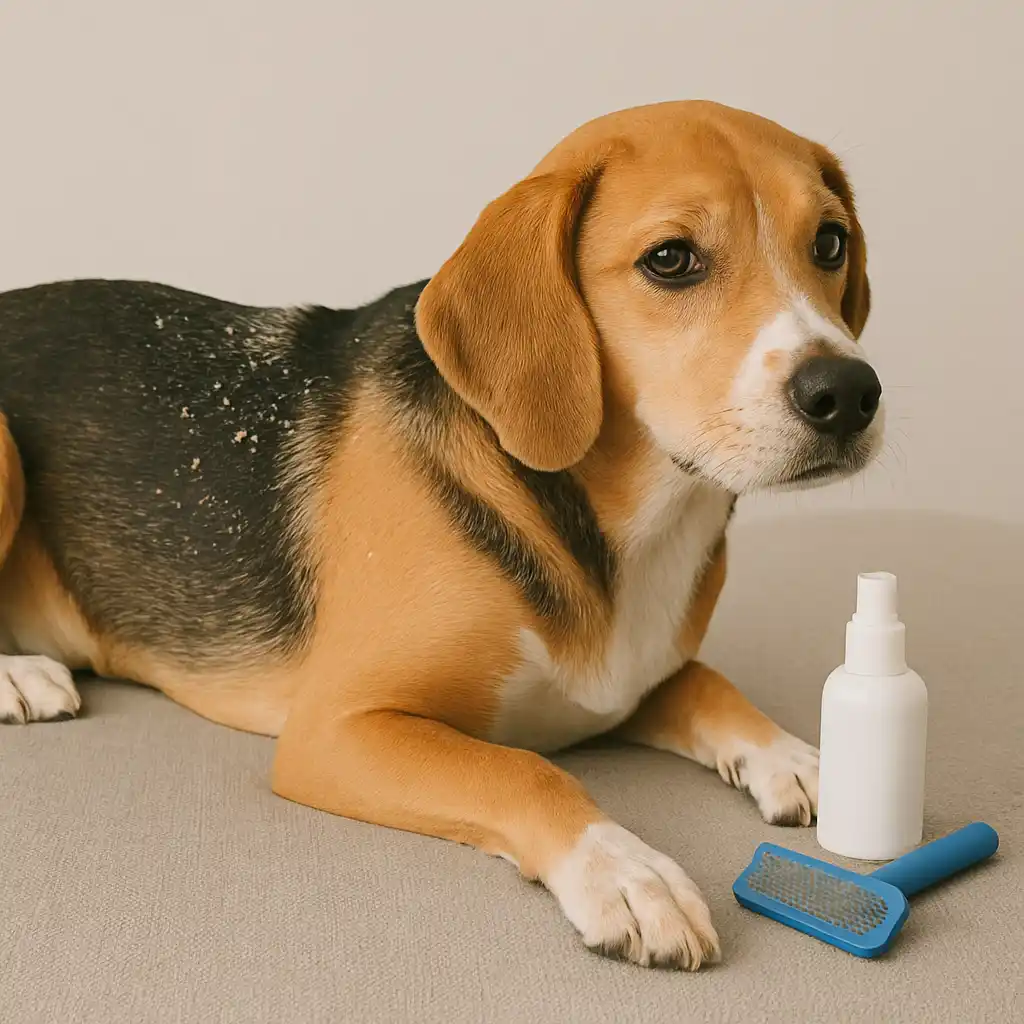
Just like humans, dogs develop flaky skin when the natural balance of oils, hydration, and skin barrier protection gets disrupted. Flakes often show up on the back, neck, or belly, appearing as dry, dandruff-like particles. Skin issues are actually one of the more common health concerns vets and groomers see in dogs, which is part of why it’s worth taking seriously rather than dismissing as purely cosmetic.
Several factors can worsen the issue, including environmental conditions, nutritional gaps, and inconsistent grooming. In the UAE specifically, dry indoor air from air conditioning combined with hot, arid conditions outdoors can dry out a dog’s skin fairly quickly.
Grooming and Flaky Skin
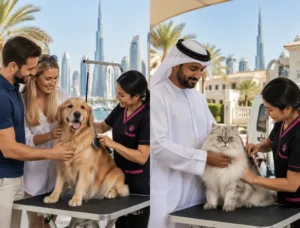
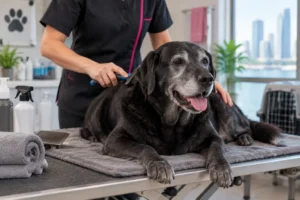
Many pet owners underestimate how much professional grooming affects skin health. Pet grooming in Abu Dhabi services typically bathe dogs with high-quality shampoos, condition properly, and brush out loose flakes as part of routine care. Regular grooming also helps redistribute natural oils across the coat, which reduces dryness a step that matters even more in a desert climate where humidity is naturally low.
Common Causes of Flaky Skin in Dogs
- Dry air and climate: Hot UAE weather combined with air-conditioned indoor spaces strips natural oils from the skin.
- Allergies: Food or environmental allergens can irritate the skin, causing itching and flaking.
- Parasites: Fleas, ticks, and mites are irritating on their own, but can also lead to dryness and secondary infection.
- Poor diet: Low intake of omega-3 and omega-6 fatty acids often leads to a dull coat and flaky skin.
- Underlying medical issues: Hormonal disorders, fungal infections, or bacterial skin problems can also be contributing factors.
When Grooming Becomes Urgent
Skin issues often start small but can escalate quickly if ignored. Visible signs that your dog needs immediate grooming attention include foul odors, matted hair, excessive scratching, or visibly inflamed skin. Left unaddressed, these can worsen flaking and are often best resolved with professional care rather than at-home guesswork. Regular grooming visits help prevent long-term damage while keeping your dog more comfortable day to day.
Treatments for Dogs with Flaky Skin
Before treating flaky skin, it’s worth identifying the root cause. Common options include:
1. Topical Solutions
- Medicated shampoos designed for dry or itchy skin.
- Conditioners with aloe vera or oatmeal for soothing relief.
- Sprays or oils that help restore hydration.
2. Nutritional Support
Adding omega-3 fatty acids through fish oil supplements can improve both coat shine and skin hydration. A balanced diet rich in vitamins and minerals plays a key supporting role too.
3. Veterinary Care
If flaking persists despite home care, a vet may recommend skin scrapings, allergy testing, or antifungal medication depending on the underlying cause.
4. Environmental Adjustments
Using a humidifier indoors and avoiding excessive bathing helps preserve the skin’s natural oils.
Prevention Tips for Healthy Dog Skin
- Regular grooming: Schedule appointments with reliable services like dog grooming in Abu Dhabi, where groomers know how to manage dry or flaky coats specifically.
- Proper nutrition: Choose high-quality dog food with adequate fatty acid content.
- Hydration: Make sure your dog has consistent access to fresh water.
- Parasite control: Stay current with preventive flea and tick treatment.
- Seasonal care: Adjust grooming and hydration routines during hotter months to reduce irritation.
Lifestyle Considerations in the UAE
Dogs in the UAE face some unique challenges because of the climate. Indoor cooling systems, while necessary for comfort, can lower skin moisture levels over time. Outdoor walks during peak heat can add further stress to the skin. Balancing indoor and outdoor time, alongside consistent grooming and hydration, helps offset these climate-related effects.
Frequently Asked Questions
Is flaky skin in dogs always a sign of a serious problem?
Not always. Mild flaking is often related to dry air or minor dehydration and improves with better grooming and hydration. Persistent or worsening flaking is more likely to signal an underlying issue worth a vet visit.
Can diet alone fix flaky skin in dogs?
Diet plays a significant role, especially omega-3 intake, but it usually works best combined with proper grooming and addressing any environmental or parasite-related causes.
How often should I bathe a dog with flaky skin?
Over-bathing can actually make flaking worse by stripping natural oils. Once every 2–4 weeks with a gentle, moisturizing shampoo is a reasonable starting point, though your groomer or vet can tailor this to your dog’s specific skin needs.
Does UAE weather make flaky skin worse?
Yes, commonly. The combination of dry, air-conditioned indoor air and hot, arid outdoor conditions can dehydrate a dog’s skin more than in more humid climates.
Conclusion
Flaky skin in dogs may seem like a small issue, but it can point to bigger health concerns if left untreated. From UAE weather to parasites and allergies, the causes vary, but each one is manageable with timely, consistent care. Professional grooming, dietary support, and preventive habits go a long way toward keeping your dog’s skin healthy and comfortable long-term.