Quick answer: Indoor cats need more than safety from the outdoors, they need regular grooming, a balanced diet, mental stimulation, routine vet care, and a clean litter box setup to truly thrive. Small, consistent habits across all these areas add up to a longer, healthier, happier life.
Indoor cats live safer lives compared to outdoor ones, but that safety comes with its own set of challenges. Without trees to climb, prey to chase, or territory to patrol, an indoor cat can quietly become bored, overweight, or even unwell if their needs aren’t actively met. It’s easy to assume a cat lounging on the couch all day is perfectly content, but a cat that seems a little too still, a little too indifferent, is sometimes telling you something.
Keeping a cat healthy indoors means paying attention to physical health, mental stimulation, hygiene, and routine vet care, together, not just one at a time. This guide covers what UAE cat owners need to know to give their indoor cats the best possible life.
1. Grooming: More Than Just a Beauty Routine
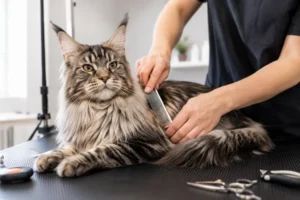
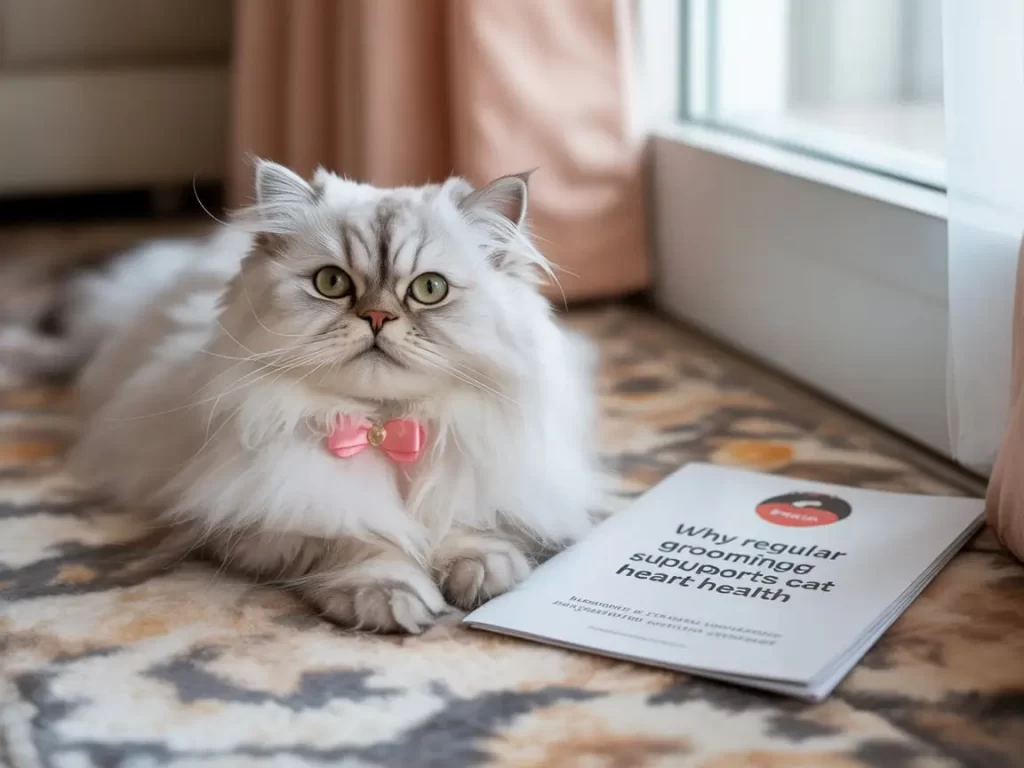
Grooming plays a real role in a cat’s health, not just keeping fur shiny, but preventing infection, hairballs, and skin issues before they start.
Why grooming matters:
- Prevents matting and tangles, especially in long-haired cats
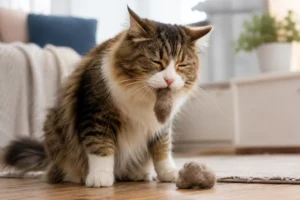
- Reduces hairballs by clearing out loose fur
- Keeps skin healthy by helping distribute natural oils
- Helps catch early signs of illness, like bumps, fleas, or rashes
If grooming at home feels difficult, or your cat resists it, professional support can help. Cat grooming in Abu Dhabi offers gentle, feline-focused sessions from groomers who genuinely understand cat behavior and know how to keep the experience low-stress.
2. Feed a High-Quality, Balanced Diet
Cats are obligate carnivores, meaning they thrive on a meat-based diet. Indoor cats burn fewer calories than outdoor cats do, though, which makes them more prone to weight gain over time.
Nutrition tips:
- Choose high-protein, low-carb food.
- Feed fixed portions, free-feeding tends to encourage overeating.
- Keep clean water accessible at all times.
- Add wet food occasionally to boost hydration.
- Skip human food and excessive treats, which can lead to nutritional imbalances or digestive upset.
3. Keep Your Cat Mentally Stimulated
Indoor cats don’t face the risks of traffic or predators, but they do risk something quieter: mental stagnation. A bored cat is genuinely more likely to develop behavioral issues, or slip into a kind of low-energy withdrawal that’s easy to mistake for just being “a calm cat.”
Simple ways to enrich your cat’s life:
- Interactive toys like feather wands and laser pointers
- A cat tree or vertical space for climbing and exploring
- Puzzle feeders that combine play with mealtime
- A window perch for watching birds or passing traffic (“cat TV”)
Mental stimulation matters just as much as physical care for a cat’s long-term emotional wellbeing, not just their body.
4. Prioritize Routine Veterinary Care
Even indoor cats remain vulnerable to conditions like urinary tract infections, dental disease, and chronic issues like diabetes or kidney disease, especially as they age.
Health checklist:
- Annual vet checkups for preventive care
- Vaccinations, even for cats that never go outside
- Parasite control (fleas, ticks, worms)
- Dental cleanings to prevent gingivitis and tooth loss
Many grooming services now work alongside or refer trusted vets, making it easier to combine both sides of a cat’s care routine in one place.
5. Maintain a Clean, Comfortable Litter Box Area
A poorly maintained litter box is one of the most common causes of behavioral issues like inappropriate urination.
Best practices:
- Scoop daily, and replace litter weekly.
- Use unscented, clumping litter for better comfort.
- Keep the box in a quiet, low-traffic area.
- For multi-cat homes, aim for one litter box per cat, plus one extra.
Litter box cleanliness ties directly into a cat’s urinary and digestive health, it’s not just about odor control.
6. Consider Professional Grooming Support
Even cats that groom themselves thoroughly still benefit from a professional session every few months. These visits typically cover nail trimming, ear cleaning, sanitary trims, and more.
For owners outside the main cities, grooming support extends to Al Ain too, with both mobile and in-salon options for short- and long-haired cats alike. Trained groomers know how to handle anxious cats gently and efficiently, which reduces stress for both the cat and the owner.
7. Give Daily Attention and Social Time
Cats may come across as aloof, but they genuinely thrive on companionship and consistency.
- Set aside time daily for petting or interactive play.
- Talk to your cat, they often respond to tone more than people expect.
- Respect their boundaries, but offer affection when it’s invited.
- Keep feeding and activity schedules consistent.
Emotional wellness ties directly into physical health here. A cat that feels secure and loved is more likely to eat well, groom consistently, and stay active day to day. If you notice your cat suddenly grooming less, or seeming withdrawn, it’s worth checking our guide on signs your cat needs a grooming session, since changes in self-care habits are often one of the earliest, quietest signals something’s off.
Frequently Asked Questions
Do indoor cats really need vaccinations?
Yes. Even cats that never go outside can be exposed to certain viruses through open windows, visitors, or other pets, so routine vaccination is still recommended.
How much playtime does an indoor cat need daily?
Most cats benefit from at least two short, focused play sessions a day, roughly 10–15 minutes each, to stay mentally and physically engaged.
Can indoor cats get overweight even with a good diet?
Yes, since they naturally burn fewer calories than outdoor cats. Portion control and regular interactive play are both important to prevent gradual weight gain.
How often should an indoor cat see a professional groomer?
Every few months is a reasonable baseline for most cats, though long-haired breeds or cats prone to matting may benefit from more frequent visits.
Conclusion: Small Habits, Lifelong Health
Caring for an indoor cat goes well beyond simply keeping them inside. It’s about routine, environment, nutrition, and genuine attention to detail. With a handful of consistent habits, you can help your cat live a longer, healthier, and genuinely content life.
Whether you’re handling grooming at home or exploring professional options through cat grooming in Dubai, Abu Dhabi, or Al Ain, investing in your cat’s care is always worth it, for their wellbeing and your peace of mind.