Quick answer: Cats may not experience jealousy exactly like humans do, but research shows they display jealousy-like behaviors, blocking, hissing, withdrawal, or clinginess, when they sense a threat to their bond with their owner. Common triggers include a new pet, a new family member, or a shift in attention, and equalizing attention plus maintaining routine are the most effective ways to ease it.
Cats are famously independent, selective with affection, and often a little inscrutable. That cool, aloof demeanor can easily read as indifference, especially for busy pet owners in cities like Dubai and Abu Dhabi. One day your cat is curled against your feet, the next they’ve relocated to the far side of the room, seemingly unbothered by your presence entirely. That ebb and flow doesn’t mean cats are incapable of emotion, though. Even the most self-reliant cat can show real unease when it senses a threat to its bond with you.
Let’s look at what research reveals about jealousy-like behavior in cats, and why it matters for pet parents across the UAE.
Do Cats Get Jealous? Here’s What Triggers It
Full-blown jealousy in cats hasn’t been definitively proven the way it has in humans, but researchers have documented behavior that closely resembles it, particularly around attachment to their owners. In studies using toy “rivals,” household cats watched more intently when their owner petted a plush cat rather than a pillow, and reacted differently depending on whether it was their owner or a stranger doing the petting. The signs were subtle, but domestic cats consistently paid closer attention when a “rival” was involved with their specific person.
Here are ten factors that commonly trigger jealousy-like responses in cats:
1. Introduction of a New Pet
Cats are naturally territorial, so a new cat, dog, or other pet can feel like a genuine intrusion on their space. This insecurity can lead to attention-seeking or defensive behavior, even hissing or swatting toward a new dog perceived as competition for your affection. The adjustment period often comes with heightened anxiety and resource guarding until the new pet is fully settled in.
2. Birth of a Child or New Family Member
A new baby or family member reshapes the whole household dynamic, and the added noise and disruption can genuinely unsettle a cat. A reduced share of quiet attention often shows up as clinginess, mild aggression, or withdrawal. Gradual exposure and consistent positive reinforcement usually ease this transition over time.
3. Preferential Attention to Another Pet
Cats pick up on favoritism more than people expect. If another pet is getting more treats, cuddles, or play, a cat may respond by blocking access, hissing, or swatting to demand equal attention, a way of reasserting their place in the household.
4. Playing with Objects Instead of the Cat
When attention shifts heavily toward objects, like a phone or a toy, rather than the cat itself, it can feel like a form of neglect. Cats may swat at the object, physically insert themselves into the situation, or show visible frustration at being sidelined.
5. Changes in Routine or Environment
Cats thrive on predictability, so changes like new furniture, redecorating, or moving homes can spark real anxiety. Even small shifts can trigger jealousy-like behavior as a cat scrambles to restore familiarity, sometimes guarding previously favorite spots more aggressively than usual.
6. Resource Competition
A cat’s sense of security is closely tied to access to favorite resources, your lap, food bowls, a cat tree. Marking behavior, blocking, or vocal demands often signal that a resource feels threatened. Making sure every cat in a multi-cat household has equal access helps reduce this tension.
7. Lack of Affection and Physical Contact
Even the most aloof cat still craves physical reassurance. A drop in cuddles or grooming attention can lead to vocal agitation or clinginess as a cat tries to regain lost affection. Regular, gentle physical contact goes a long way toward emotional stability.
8. Poor Socialization or Insecurity
Cats that missed out on early socialization often carry a baseline insecurity that makes them more prone to jealousy-like reactions. Any disruption can feel like a bigger threat than it actually is. Building confidence through consistent, positive exposure over time helps cushion these reactions.
9. Territorial Instincts
Both male and female cats assert territorial control, especially when they sense encroachment on their space. This can show up as hissing, blocking, or vocal aggression toward a perceived intruder. Clear spatial boundaries and separate zones for multiple pets help minimize conflict here.
10. Changes in Your Behavior
Even shifts in your mood or who you’re spending time with can affect your cat. If attention is heavily focused on a guest or partner, a cat may respond with increased rubbing, vocalizing, or mild aggression to draw focus back toward themselves.
Signs of Jealousy in Cats
Jealousy-like behavior in cats tends to show up in a few recognizable patterns:
- Blocking or interference: Positioning themselves between you and the “rival,” whether that’s a person, pet, or object.
- Aggression: Hissing, swatting, or growling directed at whatever feels like the threat.
- Withdrawal: Becoming distant, hiding, or avoiding interaction when feeling emotionally unsettled.
- Territorial marking or inappropriate elimination: A sign the cat feels their space itself is under threat.
- Attention-seeking clinginess: Excessive rubbing, meowing, or following you around to reaffirm their place.
If aggressive behavior becomes frequent or intense, it’s worth consulting your vet to rule out underlying stress or health issues, since some of these behaviors can overlap with medical causes too.
How to Handle and Prevent Cat Jealousy
Equalize attention:
Regular one-on-one time, dedicated play, grooming, and lap time, reassures a cat of their unique bond with you and reduces feelings of being displaced.
Introduce changes gradually:
When bringing in a new pet or family member, scent swapping and supervised, low-pressure introductions help a cat build positive associations instead of feeling overwhelmed.
Provide separate resources:
Duplicate beds, litter boxes, food bowls, and vertical perches give cats a sense of security, especially in multi-pet homes.
Use distraction and enrichment:
Puzzle feeders, toys, and regular play sessions redirect a cat’s energy and reduce over-dependence on you for reassurance.
Consider pheromone diffusers:
These can help ease territorial stress and reduce tension during periods of change.
See a vet if behavior persists:
If marking, aggression, or stress-related behavior continues despite these steps, a vet visit is the right move to rule out an underlying health issue and get guidance tailored to your cat specifically.
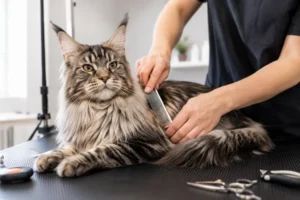
Alongside behavioral steps, keeping up with regular cat grooming in Abu Dhabi can support a cat’s overall comfort and routine, since consistent, gentle care and one-on-one attention during grooming sessions often help a cat feel more secure day to day, even if grooming alone won’t resolve a deeper behavioral issue.
Frequently Asked Questions
Can cats really feel jealousy the way humans do?
Not exactly. Full jealousy hasn’t been scientifically confirmed in cats, but research shows clear jealousy-like behaviors tied to protecting their bond with an owner.
How long does it take for a cat to adjust to a new pet?
It varies widely, but a gradual introduction over several weeks, rather than days, tends to lead to a smoother, less stressful adjustment for most cats.
Is aggression toward a new baby or pet something to worry about?
Mild hissing or distance is common during adjustment, but escalating aggression is worth addressing with a vet or certified behaviorist to keep everyone safe while the cat settles in.
Does grooming actually help with cat jealousy?
Grooming won’t resolve an underlying behavioral issue on its own, but the one-on-one attention and routine it provides can genuinely support a cat’s overall sense of security and comfort during a stressful transition.
Conclusion
While cats may not experience jealousy exactly like humans do, science shows they respond in real, observable ways to perceived threats against their bond with us. From territorial instincts to disrupted routines, plenty of factors can trigger these behaviors.
The good news is that with patience, structure, and consistent positive reinforcement, pet parents can ease tension and help their cat feel secure and valued at home, whether that home is in Dubai, Abu Dhabi, or anywhere in between.
Comfort and Routine at Nin9 Tails
Is your cat feeling extra clingy or on edge lately? A calm, consistent grooming routine can be part of helping them feel more settled and cared for. If you’re nearby, pet grooming in Abu Dhabi offers a familiar, low-stress way to build that sense of routine back into your cat’s week. For cat parents further out, our guide on signs your cat needs a grooming session can help you spot when it’s time for extra attention, whether that’s behavioral or simply overdue coat care.