
Quick answer: Bringing a pet into Dubai requires an import permit, ISO-compliant microchipping, up-to-date vaccinations, and a recent health certificate. Leaving Dubai requires a fit-to-fly certificate and an IATA-approved crate, with rules varying by destination country. Requirements can change, so always verify current details with MOCCAE or your airline before booking.
Whether you’re relocating to Dubai or bringing your pet along for a shorter stay, navigating pet travel rules can feel overwhelming fast. Dubai is a genuinely pet-friendly city, but it maintains strict regulations to protect both animal welfare and public health, which means a little extra planning goes a long way.
This guide breaks down what you need to know, from importing your pet into the UAE to flying back out safely. Let’s make sure your pet’s journey is just as smooth as yours.
Bringing Your Pet Into Dubai
Importing a pet into Dubai takes advance planning. Here’s what’s typically required:
Import Permit
An import permit from the Ministry of Climate Change and Environment (MOCCAE) is required before your pet enters the UAE. Permit validity periods can change, so confirm the current timeline directly with MOCCAE when applying.
Microchipping
Pets need an ISO-compliant 15-digit microchip for identification, linked directly to the import permit.
Vaccination Records
- Dogs: Typically need vaccinations for rabies, distemper, hepatitis, parvovirus, and leptospirosis.
- Cats: Typically need rabies, feline panleukopenia, rhinotracheitis, and calicivirus vaccines.
Rabies vaccination timing requirements (minimum days before travel, maximum validity) can vary, so double-check the current rule with MOCCAE or your vet before booking travel.
Health Certificate
A government-issued Veterinary Health Certificate is required close to your travel date and should include full vaccine and microchip details. Confirm the exact issuance window with your vet, since these timing requirements are updated periodically.
Flying Out of Dubai With Your Pet
Requirements when leaving Dubai vary by destination, but generally include:
Fit-to-Fly Certificate
Issued by a licensed UAE vet, this confirms your pet is healthy and cleared to fly.
IATA-Approved Travel Crate
Your crate needs to meet IATA standards, well-ventilated, appropriately sized, and secure.
Destination-Specific Requirements
Every destination country has its own import rules. Some require quarantine, rabies titer testing, or additional entry permits, and countries like the UK and Australia are known for stricter requirements than many others. Always check your specific destination’s current rules directly with their relevant authority.
Pet Grooming & Pre-Flight Care
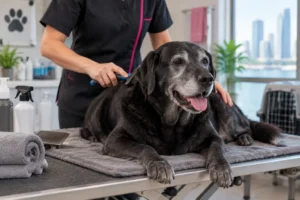
Keeping a pet clean, calm, and healthy before a flight matters more than owners often expect. If you’re short on time, mobile grooming in Dubai offers door-to-door service, which can be especially useful before international travel, when stress levels tend to run high for both pets and owners alike.
Airline Regulations & Booking Tips
Not every airline allows pets in-cabin, and most require advance booking well ahead of your flight. Emirates, Etihad, and several other international carriers offer climate-controlled pet cargo services. Always confirm directly with your airline:
- Maximum crate size allowed
- Pet weight limits
- Required documentation for your specific route
Tip: Choose early morning or evening flights during summer months to help your pet avoid extreme heat exposure during ground transport.
Post-Arrival Care and Quarantine (If Applicable)
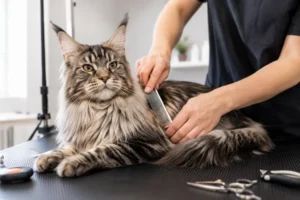
Pets arriving from certain countries may face a quarantine period at an MOCCAE-approved facility, the exact duration depends on your country of origin and current regulations, so confirm this directly with MOCCAE before travel. During quarantine, make sure your pet continues receiving proper care, including grooming, especially for long-haired breeds who need more frequent coat maintenance.
Need help managing coat care after quarantine? Cat grooming in Dubai services with home visits can make the transition smoother for your feline companion once they’re settled.
Final Tips for Stress-Free Pet Travel
- Keep copies of all documents, both physical and digital.
- Acclimate your pet to their travel crate at least a week beforehand.
- Avoid tranquilizers unless specifically prescribed by a vet.
- Label the crate clearly with your contact info and a “LIVE ANIMAL” sign.
Frequently Asked Questions
Do all pets need to be quarantined when entering Dubai?
Not necessarily, quarantine requirements typically depend on the country of origin and current health regulations. Check directly with MOCCAE for the most accurate, up-to-date requirement for your situation.
How far in advance should I start preparing pet travel documents?
Given permit processing times, vaccination timing requirements, and health certificate windows, it’s wise to start the process several weeks to a couple of months before travel, timelines can shift, so early planning gives you buffer room.
Can I bring my pet into Dubai’s cabin during the flight?
This depends entirely on the airline’s individual pet policy, not Dubai’s import rules specifically. Confirm cabin eligibility directly with your airline when booking.
Is grooming necessary before a long flight?
It’s not mandatory, but keeping your pet clean and comfortable before a long journey can meaningfully reduce travel stress, especially for pets prone to anxiety.
Dubai Is Pet-Welcoming, Just Be Prepared
Dubai’s pet travel rules are thorough but genuinely pet-friendly at their core, designed to keep both animals and the public safe. With the right documentation, proper crate setup, and consistent grooming care, your pet’s journey can be just as comfortable as your own.
If you’re a frequent traveler or relocating long-term, Dubai also offers excellent dog grooming in Dubai salons and mobile services to keep your pet looking and feeling their best, whether they’re settling in at home or gearing up for their next trip.
Pet travel regulations change periodically. Always confirm current requirements directly with MOCCAE, your airline, and your destination country’s relevant authority before finalizing travel plans.