Every pet owner wants to see their furry companion healthy, active, and full of energy. But one thing I have learned through years of grooming pets is that animals often hide discomfort until a problem becomes difficult to ignore. Small changes in their coat, skin, behaviour, appetite, or energy levels can sometimes be the first signs that something is not right.
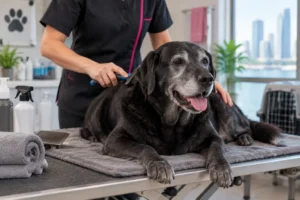
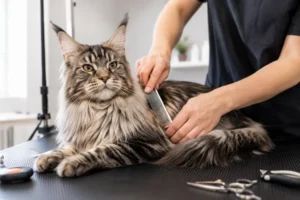
During grooming sessions, we get the opportunity to observe pets closely and notice changes that owners may not always see at home. Issues like unusual skin irritation, excessive shedding, coat changes, ear problems, or sensitivity during handling can sometimes indicate underlying health concerns that need attention.
Regular grooming is not only about keeping your pet looking clean and beautiful. It is also an important part of preventive care that supports overall wellbeing. Consistent pet grooming in Dubai helps maintain hygiene, allows early detection of possible concerns, and keeps your pet more comfortable.
In this guide, we’ll explore common pet health problems, the warning signs owners should watch for, and how proper grooming and regular care can help you support a healthier and happier life for your beloved companion.
1. Obesity: The Silent Killer
Obesity isn’t just a cosmetic issue; it’s a health crisis waiting to happen. Pets that are overweight face a significantly higher risk of developing conditions like heart disease, diabetes, and arthritis. And the worst part? It’s completely preventable with the right diet and exercise plan.
How to Spot It:
- Your pet has noticeably gained weight.
- They’re struggling to move or keep up with regular exercise.
- They’re breathless or excessively tired after minimal activity.
What to Do:
Start by adjusting their food intake and increasing their physical activity. If you’re not sure how to manage your pet’s weight, consult your vet for a tailored plan. Proactive steps now can save your pet from future health issues.
2. Dental Problems: It’s More Than Just Bad Breath
Dental health is often overlooked in pets, but it’s crucial. Left untreated, dental problems can lead to gum disease, tooth loss, and even systemic infections that affect your pet’s organs. Plus, dental issues are often painful, leading to behavioural changes in your pet.
How to Spot It:
- Persistent bad breath (more than just morning breath).
- Excessive drooling.
- Difficulty eating or dropping food from their mouth.
- Swollen or bleeding gums.
What to Do:
Brush your pet’s teeth regularly and schedule professional cleanings with your vet. If you notice any of these signs, don’t wait. The longer dental issues go unaddressed, the worse they can get.
3. Parasites: The Hidden Menace
Fleas, ticks, and worms might seem like minor issues, but they can cause major health problems for your pet. These parasites can lead to skin infections, anaemia, and even life-threatening conditions if not addressed.
How to Spot It:
- Your pet is constantly scratching or licking.
- You see red, irritated, or inflamed skin.
- They’ve lost weight or have a decreased appetite.
What to Do:
Use flea, tick, and deworming medications regularly. Regular grooming sessions also help prevent infestations. If you suspect parasites, consult your vet for a treatment plan to keep your pet healthy.
4. Allergies: Itchy, Scratchy, and Uncomfortable
Just like humans, pets can suffer from allergies. These allergies might come from food, pollen, dust, or other environmental factors. The symptoms can range from mild itching to severe skin infections, making it important to act quickly.
How to Spot It:
- Excessive scratching or licking, especially around the paws or face.
- Sneezing, coughing, or watery eyes.
- Red or inflamed skin, often around the ears, belly, or underarms.
What to Do:
First, figure out what’s causing the allergy—whether it’s food, seasonal allergens, or something else. Your vet can help with allergy testing and may recommend specific medications or diet changes to manage symptoms.
5. Arthritis: The Silent Pain
Arthritis is incredibly common in older pets and can severely impact their mobility and quality of life. The challenge is that pets often don’t show clear signs of pain, so it’s easy to overlook the problem.
How to Spot It:
- Difficulty walking, climbing stairs, or jumping onto furniture.
- Limping or stiffness, especially in the morning.
- Reluctance to play or exercise.
What to Do:
Early intervention is key. Your vet may recommend pain management, weight control, and physical therapy to help ease arthritis symptoms. A simple change in diet, along with joint supplements, can also make a big difference.
6. Cancer: The Big C
Cancer is a devastating diagnosis, but the earlier it’s caught, the better the prognosis. Pets with cancer often show subtle signs that can be mistaken for something else. Early detection increases the chances of successful treatment, so don’t ignore unusual changes.
How to Spot It:
- Unexplained lumps or bumps on their body.
- Sudden weight loss or loss of appetite.
- Difficulty breathing, coughing, or unusual fatigue.
What to Do:
If you notice any of these symptoms, it’s crucial to see your vet as soon as possible. Early cancer screenings and diagnostics are essential, and depending on the type of cancer, treatment options like surgery, chemotherapy, or radiation may be available.
7. Respiratory Problems: Breathing Issues Are No Joke
Respiratory issues can range from minor conditions like allergies to serious infections like pneumonia. Pets with breathing difficulties need immediate attention, as untreated respiratory issues can quickly turn into emergencies.
How to Spot It:
- Excessive coughing or sneezing.
- Difficulty breathing or labored breathing.
- Increased panting or wheezing.
What to Do:
If your pet is showing signs of respiratory distress, take them to the vet immediately. Your vet can diagnose the issue, whether it’s an infection, allergies, or something more serious, and recommend the right treatment.
8. Gastrointestinal Problems: Vomiting and Diarrhea
Frequent vomiting or diarrhoea is a sign that something’s wrong. Whether it’s due to diet, infections, or parasites, gastrointestinal issues can lead to dehydration and other complications if not addressed quickly.
How to Spot It:
- Frequent vomiting or diarrhoea.
- Lethargy or loss of appetite.
- Dehydration (dry gums, lethargy).
What to Do:
Make sure your pet stays hydrated and monitor their symptoms closely. If vomiting or diarrhoea persists for more than a day or is accompanied by other signs like fever or lethargy, get your pet to the vet for diagnosis and treatment.
9. Behavioral Changes: When Your Pet’s Not Acting Like Themselves
A sudden shift in behaviour can be one of the first signs that something’s wrong. If your pet is suddenly acting aggressive, anxious, or lethargic, it could be a sign of pain or illness.
How to Spot It:
- Sudden aggression or irritability.
- Excessive hiding or avoiding interaction.
- Unexplained lethargy or fatigue.
What to Do:
Pay close attention to these behavioural changes. While they could be related to something minor, they can also indicate a serious health issue. If you’re unsure, always consult your vet to rule out underlying medical conditions.
10. Inability to Urinate or Defecate: A Medical Emergency
When a pet can’t urinate or pass stool, it’s a medical emergency. Blockages, infections, or other serious issues could be to blame, and prompt attention is required to avoid life-threatening complications.
How to Spot It:
- Straining to urinate or defecate.
- Crying or vocalizing while trying to go.
- Blood in urine or stool.
What to Do:
If your pet is unable to urinate or defecate, take them to the vet or emergency animal hospital immediately. This is a situation where quick intervention is crucial.
Conclusion:
As a pet groomer, I have learned that the smallest changes can sometimes tell the biggest stories about a pet’s health. A change in coat condition, unusual scratching, reduced energy, bad breath, or a difference in behaviour may seem minor at first, but these signs can sometimes point toward underlying health concerns.
Regular grooming is not a replacement for veterinary care, but it plays an important role in preventive pet care. During grooming sessions, owners and professionals have the opportunity to notice changes early, maintain hygiene, and support a pet’s overall comfort. Consistent pet grooming in Dubai helps keep your pet’s coat, skin, and hygiene in better condition while allowing potential concerns to be identified sooner. For busy pet owners, mobile grooming Dubai provides a convenient way to maintain regular grooming care at home while reducing travel-related stress for pets.
Along with regular grooming, routine veterinary checkups, a balanced diet, exercise, and close observation are essential for your pet’s long-term wellbeing. By paying attention to early warning signs and taking action quickly, you can help your furry companion enjoy a healthier, happier, and more comfortable life.
Frequently Asked Questions
What are the most common health problems in pets?
Some of the most common pet health problems include obesity, dental issues, parasites, allergies, arthritis, digestive problems, respiratory issues, and skin conditions. Regular care and early detection can help manage many of these problems effectively.
How can grooming help detect pet health problems?
Regular grooming allows you to closely observe your pet’s skin, coat, ears, nails, and overall condition. Changes such as lumps, skin irritation, excessive shedding, parasites, or unusual sensitivity may be noticed during grooming sessions before they become serious.
Can regular grooming prevent health problems in pets?
Grooming does not prevent every illness, but it supports better hygiene and comfort. Regular brushing, bathing, ear cleaning, and coat maintenance can reduce issues like matting, skin irritation, and parasite buildup.
How often should my pet receive professional grooming?
The ideal grooming schedule depends on your pet’s breed, coat type, lifestyle, and health needs. Long-haired breeds may require more frequent grooming, while short-haired pets may need less frequent sessions. A professional groomer can recommend a suitable routine.
What signs show that my pet may have a health problem?
Common warning signs include sudden weight changes, loss of appetite, excessive scratching, unusual tiredness, changes in behaviour, bad breath, difficulty moving, vomiting, diarrhoea, or changes in bathroom habits. Any sudden or persistent change should be checked by a veterinarian.
Can pet grooming help with skin allergies?
Yes, regular grooming can help maintain skin cleanliness and reduce irritants like dirt, loose fur, and allergens. However, if your pet has persistent itching, redness, or skin infections, veterinary advice is necessary to identify the exact cause.