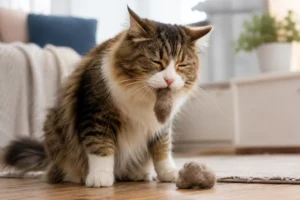

Layla noticed it the first time she scratched her cat Mishu under the chin, a small, glistening drop forming at the corner of his mouth. She froze, half expecting something was wrong. But Mishu just kept purring, eyes half-closed, leaning further into her hand. Confused, she wiped it away and kept petting, and it happened again. Was this normal, or was something bothering him?
It’s one of the most common questions we hear from cat owners during grooming sessions. As professional groomers who handle hundreds of cats every month, our team regularly sees this exact reaction, and in the overwhelming majority of cases, it’s simply a sign of a deeply relaxed, content cat. Understanding the difference between “happy drool” and something that needs attention comes down to reading the fuller picture, not just the drool itself.
Why Cats Drool When You Pet Them
Cats drool for a similar reason some people hum or sigh when they’re relaxed, it’s an involuntary response tied to a calm nervous system. When a cat is petted in a spot they enjoy, like the chin, cheeks, or base of the ears, it can trigger the same relaxation response associated with kneading or purring. For some cats, that relaxed state loosens control over swallowing, resulting in a bit of drool.
This tends to be more common in cats that are especially affectionate, in kittens, and in certain breeds that are simply more prone to it regardless of mood.
When Drooling Is Just Contentment
You can generally chalk it up to happiness if the drooling:
- Only happens during petting, purring, or kneading.
- Is mild, just a small amount around the mouth.
- Comes with other relaxed body language: slow blinking, a loose posture, or leaning into your hand.
- Stops shortly after you stop petting.
Mishu’s case fit this pattern exactly, drool appeared only mid-pet, alongside purring and half-closed eyes, and disappeared the moment he hopped off Layla’s lap to eat. No other symptoms, no change in appetite, nothing beyond a happy cat expressing it in an unusual way.
When It’s Worth Paying Closer Attention
Drooling becomes a signal worth investigating when it:
- Happens outside of petting or affection, at random times throughout the day.
- Is heavy, constant, or leaves visible wet patches.
- Comes with bad breath, blood, pawing at the mouth, or reduced appetite.
- Is paired with lethargy, weight loss, or visible discomfort while eating.
These signs can point to dental disease, mouth injuries, or other underlying issues that a vet should assess directly, rather than something to monitor at home.
How Grooming Helps You Catch Changes Early
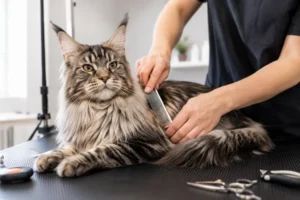
This is where regular care plays a bigger role than most owners realize. During a proper cat grooming in Dubai session, groomers routinely check a cat’s mouth, gums, and coat condition as part of the process, which means changes in drooling patterns, breath, or behavior often get flagged before they become bigger problems. It’s one of the quieter benefits of consistent grooming: an extra set of trained eyes on your cat’s overall condition, not just their coat.
Frequently Asked Questions
Is it normal for cats to drool when they’re happy?
Yes, drooling is a common sign of relaxation and contentment in cats, especially while being petted or purring.
When should I be worried about my cat’s drooling?
If drooling is sudden, excessive, or paired with symptoms like bad breath, loss of appetite, or lethargy, it’s best to get your cat checked by a vet.
Can dental problems cause a cat to drool?
Yes, dental issues like gum disease or broken teeth are a common cause of excessive drooling and often require a vet’s attention.
Does breed affect how much a cat drools?
Yes, some breeds, like Ragdolls and Maine Coons, are naturally more prone to drooling than others, even without any underlying issue.
Should I change my grooming routine if my cat drools a lot?
Not necessarily, but keeping up with regular grooming helps you spot changes in your cat’s mouth, coat, or skin early, which is useful if drooling patterns shift over time.
Final Thoughts
In most cases, drooling while being petted is simply your cat’s way of showing contentment, a sign of relaxation rather than a cause for concern. That said, keeping an eye on their behavior and staying consistent with grooming helps you catch anything unusual early. Mishu, as it turned out, was just an especially affectionate cat with a habit of drooling when happy, nothing more. If the drooling becomes excessive, or shows up alongside other symptoms like lethargy, appetite changes, or bad breath, a vet visit is the safest next step.