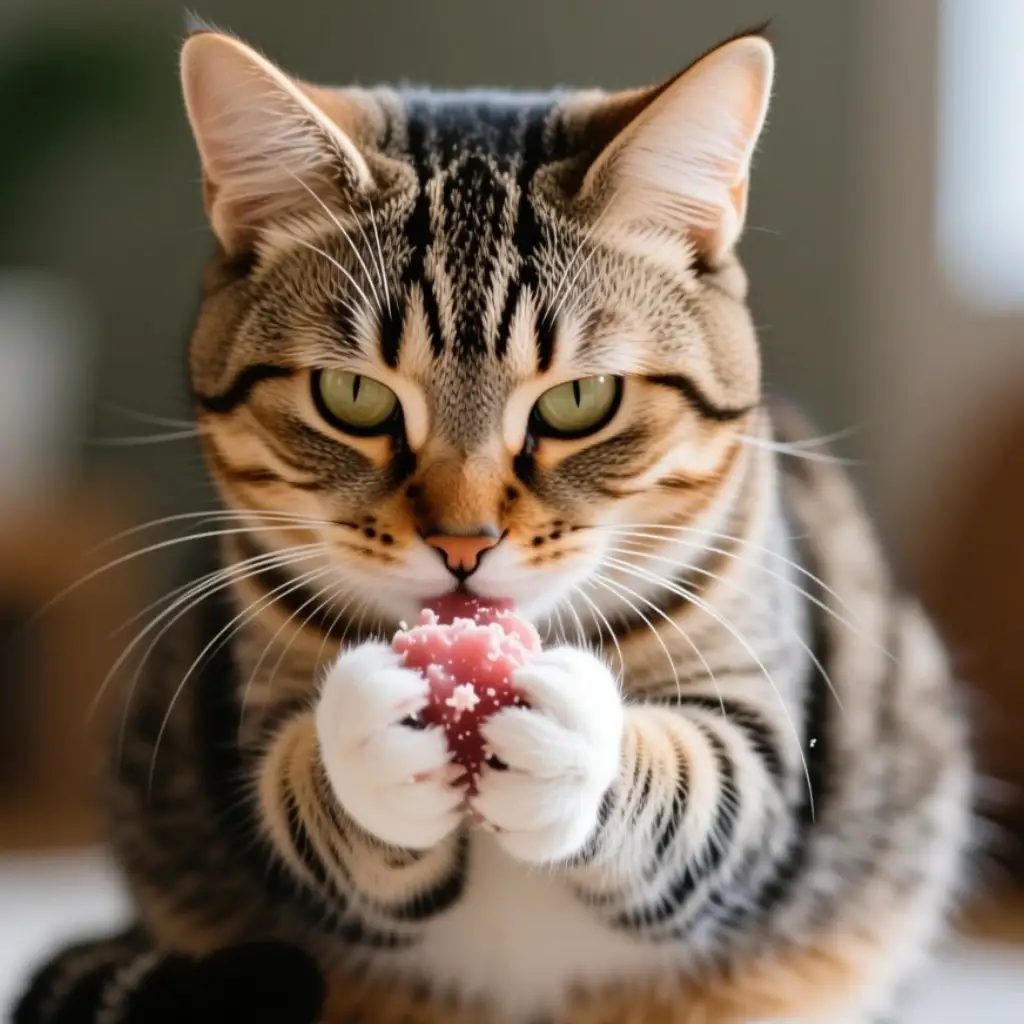
Kneading is an instinctive behavior cats develop as kittens, originally used to stimulate milk flow while nursing. As adults, it becomes a sign of comfort, trust, and territorial marking, often showing up right before a cat settles in for a nap or curls up on your lap.
If you’ve ever had a cat curl up on your lap and start pressing its paws into you in slow, alternating motions, maybe even purring or drooling a little, you’ve probably wondered what’s actually going on. It’s one of those habits that looks almost too gentle to be instinctive, which is exactly why it catches people off guard the first time they notice it.
The truth is, kneading goes all the way back to kittenhood, when the motion helped stimulate milk flow while nursing. Most cats never fully outgrow it. Instead, the behavior sticks around into adulthood and shifts meaning, becoming less about feeding and more about comfort, trust, and even marking territory with the scent glands in their paws.
So the next time your cat starts “making biscuits” on your blanket or your lap, know that it’s a genuine sign of security, part instinct, part affection, and a small window into how safe they feel with you.
What Is Cat Kneading?
Kneading is a natural motion where a cat pushes its paws in and out against a surface, alternating left and right. It’s most commonly done on soft areas, blankets, cushions, or a lap, and many cats purr while doing it, creating a sense of calm for both the cat and the person on the receiving end.
The Evolutionary Origins of Kneading
Kittens instinctively knead their mother’s belly to stimulate milk flow during nursing. That motion becomes deeply linked to nourishment, security, and warmth from a very early age. As cats grow into adulthood, the behavior often sticks around, not because of milk anymore, but because it still evokes that same sense of safety and contentment it once provided.
Comfort and Security
When a cat kneads on its owner, it’s usually a genuine sign of affection and trust. Just as humans use touch to bond, cats use kneading as their own version of that same instinct, a way of showing they feel safe and comfortable enough to let their guard down completely. It’s part of why so many cats knead right before curling up for a nap on your lap; it’s almost like they’re settling into a spot they’ve decided is truly theirs.
Marking Territory
Cats have scent glands in their paws, and kneading actually releases pheromones as they do it. When a cat kneads furniture, bedding, or a person, it’s not purely for comfort, it’s also a subtle form of territory marking. This is part of why some cats return to the exact same spot to knead again and again; it’s already familiar, safe, and marked with their own scent.
Why Cats Knead Their Owners
If your cat kneads you, take it as a genuine compliment. It means they associate you specifically with comfort, trust, and safety. Some cats even drool while kneading, which ties directly back to that early nursing instinct. In a real sense, your lap becomes their safe haven, the one place they feel comfortable enough to fully relax. This connects closely to why cats enjoy being petted too, since both behaviors reinforce the same emotional bond between cat and owner.
Kneading and Grooming Connections
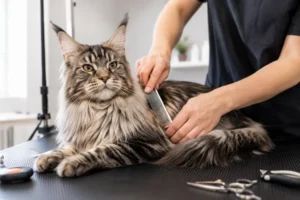
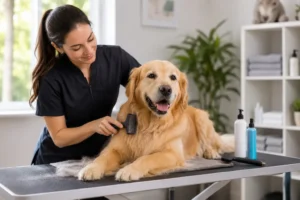
Kneading and grooming are different behaviors, but both are tied to comfort and overall wellbeing. Regular grooming, for instance, helps reduce stress and build trust over time, much like kneading does. Services like Pet Grooming in Abu Dhabi provide professional care that keeps cats healthy while reinforcing that same sense of security. Grooming, much like kneading, isn’t purely physical, it’s an emotional experience for the cat too.
For busy households, options like Mobile Grooming in Dubai have become increasingly popular, offering convenient at-home service that reduces stress and keeps cats comfortable in their own familiar environment.
The Role of Relaxation and Sleep
Cats often knead right before lying down, a habit believed to trace back to wild ancestors who patted down grass or foliage to create a softer, safer sleeping spot. Even though today’s cats have cozy beds and sofas instead of grass, that instinct clearly hasn’t gone anywhere.
Kneading and Human Bonding
For many owners, kneading feels almost like a gentle massage. For the cat, though, it’s a genuine way of expressing love and trust, essentially their version of saying “I feel safe with you.” This is part of why professional services like Cat Grooming in Abu Dhabi put real emphasis on building trust as part of their care routine. When a cat kneads, or willingly allows grooming, it’s showing genuine emotional comfort, not just tolerance.
Some owners combine grooming with mobile pet services in Dubai, giving their cats care, relaxation, and attention without the stress of travel, making the whole experience noticeably more enjoyable for the cat.
When Kneading Becomes Excessive
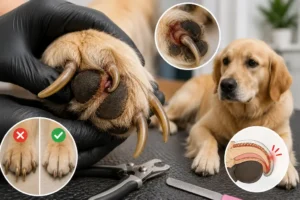
Kneading is generally harmless, but some cats get a little too enthusiastic with it. Sharp claws can cause real discomfort during kneading, and unusually constant or intense kneading can sometimes point to stress or an underlying medical issue. Keeping claws trimmed regularly, and making sure your cat has enough toys and comfortable resting spots, usually helps balance the behavior back out.
How to Encourage Healthy Kneading
- Provide soft surfaces: Cozy blankets or cushions give your cat a comfortable place to knead.
- Keep claws trimmed: Regular nail care helps prevent accidental scratches during kneading.
- Respect their space: Avoid forcing or interrupting kneading, it’s a calming ritual for your cat, not something to cut short.
- Build bonding routines: Playtime, grooming, and gentle petting all help deepen the same trust that kneading reflects.
Frequently Asked Questions
Is it normal for cats to knead as adults, not just kittens?
Yes, completely normal. While kneading starts as a nursing instinct in kittens, most cats carry the behavior into adulthood as a way to express comfort and security.
Why does my cat knead and drool at the same time?
Drooling during kneading is tied to the same nursing instinct that drives the kneading itself. It’s generally harmless and simply means your cat is deeply relaxed.
Should I stop my cat from kneading me if their claws hurt?
You don’t need to stop the behavior entirely, just trim your cat’s claws regularly and consider placing a soft blanket on your lap to reduce discomfort while still letting them knead.
Can excessive kneading be a sign of a problem?
In most cases, no, but unusually intense or constant kneading paired with other behavior changes can sometimes point to stress or an underlying issue, worth mentioning to your vet if it seems out of character.
Conclusion
So, why do cats knead? From evolutionary instinct to comfort, bonding, and territory marking, kneading is a genuinely heartwarming behavior that reflects just how deep the human-cat relationship can run. When your cat rhythmically presses its paws into your lap, it’s more than a quirky habit, it’s a real sign of love, trust, and emotional connection.
Understanding behaviors like kneading doesn’t just deepen your bond with your cat, it also helps you stay attentive to their overall wellbeing. Whether through grooming, play, or simply letting them knead away in peace, every one of these small moments reflects the unique relationship you share.