
Quick answer: Yes, dogs can get lice. These tiny, wingless parasites crawl through fur and feed on skin or blood, causing itching, irritation, and hair loss. Lice spread through direct contact with infected animals or shared items like bedding and grooming tools, and they’re treatable with vet-approved medicated shampoos or spot-on treatments.
Lice might be small, but they can cause real trouble. Many pet owners are surprised to learn dogs can get lice at all, it’s easy to assume that’s a problem reserved for humans or maybe cats. But yes, dogs can absolutely catch them. Lice are tiny, wingless parasites that live on a pet’s skin, feeding on either blood or skin debris. They’re often confused with fleas or ticks, but they behave quite differently and need their own specific approach to treatment.
This guide covers the signs your dog might have lice, how to treat them safely, and how to keep your dog lice-free going forward.
Understanding Lice in Dogs
Not all parasites affect dogs the same way. Lice are a distinct type of pest, with their own way of living and spreading.
What Are Lice?
Lice are tiny insects that spend their entire life cycle as parasites on a host. Unlike fleas or ticks, they don’t jump or fly, they crawl through a dog’s fur and stay put. Their claws are specially adapted to grip onto hair shafts, which makes them genuinely difficult to brush or wash out. Their main goal is feeding, either on skin flakes or blood, which is what causes the irritation and discomfort owners eventually notice.
Types of Lice Affecting Dogs
Two main types affect dogs:
- Chewing lice: Feed on dead skin and debris. Generally considered less harmful, though still irritating.
- Sucking lice: Attach to the skin to feed on blood, which typically causes more severe irritation or skin damage.
Both types cause itching and discomfort, but knowing the difference helps a vet choose the right treatment approach.
How Do Dogs Get Lice?
Lice spread mainly through direct contact. Dogs in close proximity to infected animals, especially in overcrowded or kennel-type environments, pick up lice fairly easily. Lice don’t survive long off a host, but they can still travel through contaminated bedding, grooming tools, or shared collars. Generally, the more time a dog spends around other dogs or in an unclean environment, the higher the risk of catching lice.
Symptoms of Lice Infestation in Dogs
Catching a lice infestation early makes treatment faster and far simpler. Watch for these signs.
Physical Signs
- Itching and scratching: Usually one of the first, most obvious signs.
- Redness or inflammation: Skin may look irritated or visibly swollen.
- Fur loss: Repeated scratching can lead to patchy hair loss.
- Visible lice or nits: Tiny white or gray specks (lice eggs, called nits) stuck to individual hairs.
- Dry, flaky skin: Feeding damage often leads to dandruff or scabbing.
Pay close attention to the neck, tail base, and behind the ears, lice tend to favor these spots.
Behavioral Changes
An affected dog may seem more restless or irritable than usual. Increased scratching or head shaking is a strong signal something’s bothering them. Some dogs even withdraw or avoid contact altogether in an attempt to relieve the itching.
Best Treatment Options for Lice in Dogs
Once lice appear, effective treatment is the fastest way to get your dog comfortable again.
Professional Veterinary Treatment
Vets typically prescribe medicated shampoos that kill lice while soothing irritated skin. Depending on the severity, some may also recommend oral medication or spot-on treatments that both eliminate lice and help protect against future infestations. Always follow your vet’s instructions closely to avoid side effects and make sure the infestation is fully cleared, not just reduced.
Over-the-Counter Treatments and Home Remedies
Some OTC sprays and shampoos can help, so it’s worth reading labels carefully to find products specifically formulated for lice. That said, caution matters here, not every product is safe for dogs, and some home remedies can actually worsen irritation rather than help. It’s best to check with your vet before trying any home treatment, since what seems like a simple fix can sometimes complicate things further.
Prevention of Lice Infestation in Dogs
Preventing lice is far easier than treating an active infestation. Here’s how:
Regular Grooming and Coat Maintenance
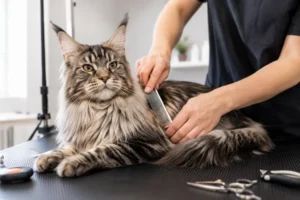
This is genuinely your first line of defense. Routine brushing keeps the coat healthy and gives you a real chance to spot lice or nits before they become a bigger problem. If grooming at home feels overwhelming, professional support is a solid option, pet grooming in Dubai provides thorough coat care that includes lice checks and treatment when needed.
Keeping the Living Environment Clean
Lice don’t survive long off a host, but cleaning your dog’s bedding, blankets, and favorite resting spots still matters. Wash fabrics in hot water and vacuum regularly to prevent stray lice or eggs from settling in. Cleaning grooming tools and collars consistently also helps stop lice from hitching a ride between pets. Many owners pair this with regular dog grooming in Dubai to maintain overall hygiene and reduce parasite risk more broadly.
Limiting Contact with Infected Animals
Socializing your dog is important, but it’s worth avoiding close contact with animals known to have lice or poor hygiene conditions. If you visit dog parks or kennels regularly, check your pet afterward, and keep up with consistent grooming as an extra layer of protection. Since lice are just one of several parasites dogs can pick up this way, it’s also worth knowing how to get rid of ticks on dogs naturally as part of a broader parasite-prevention routine.
Frequently Asked Questions
Can dogs get lice from humans or other pets like cats?
No, dog lice are species-specific and don’t transfer to humans or cats. They spread only between dogs through direct contact or shared items.
How long does it take to get rid of lice on a dog?
With proper vet-approved treatment, most infestations clear up within 2–4 weeks, though follow-up treatment is often needed to fully eliminate lice eggs (nits).
Are lice and fleas the same thing?
No. Fleas jump and move quickly between hosts, while lice crawl and stay attached to a single host for their entire life cycle. They require different treatment approaches.
Can regular grooming actually prevent lice infestations?
Yes, in large part. Routine brushing helps spot early signs before they spread, and professional grooming sessions often include checks that catch lice before an infestation takes hold.
Conclusion
Lice can cause more trouble for dogs than most owners expect, itching, irritation, skin damage, and real discomfort. The good news is that early detection makes treatment far more manageable. Regular grooming, a clean living environment, careful socializing, and professional support when needed are the strongest defenses against lice. This kind of routine care also gives a vet or groomer the chance to catch issues before they escalate into something more serious.
The right pet grooming services in Dubai can help keep your dog’s coat healthy, lice-free, and comfortable, giving you real peace of mind. Building these simple habits into your routine goes a long way toward protecting your dog from lice altogether.