
Mycoplasma is a bacterial infection that can affect the respiratory tract, joints, or red blood cells in cats and dogs. It’s treatable with the right antibiotics, but because the symptoms are often mild or mistaken for something else, early detection through regular grooming and vet visits makes a real difference in recovery.
Your pet’s health is a reflection of your love and care, but sometimes, hidden infections go unnoticed until they cause real problems. Mycoplasma is exactly that kind of silent infection, a cat or dog might seem a little more tired than usual, sneeze occasionally, or eat a bit less, and it’s easy to assume it’s nothing serious. In the UAE especially, where warm, humid conditions help bacteria thrive, these small signs are worth paying closer attention to.
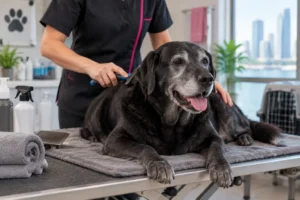
Maintaining a consistent hygiene routine, including regular pet grooming in Abu Dhabi, is a key part of prevention, since grooming sessions often give the first chance to notice something’s off before symptoms become obvious.
Let’s explore what causes Mycoplasma infection, how to spot it early, and what you can do to protect your furry friend.
What Causes Mycoplasma Infection?
Mycoplasma is a type of bacterium that doesn’t have a cell wall. Because of this, it can easily attach to your pet’s cells, especially in the respiratory tract, urinary system, or bloodstream.
These bacteria spread through:
- Close contact with infected animals
- Contaminated grooming tools, bowls, or bedding
- Fleas, ticks, or mosquitoes (in some cases)
- Weakened immune systems caused by stress, poor nutrition, or other illnesses
Pets in the UAE, especially those exposed to outdoor environments, face higher risk because the region’s warm and humid climate helps bacteria thrive.
Signs and Symptoms of Mycoplasma Infection
Mycoplasma infections can appear in different ways depending on the affected area. Some pets show no clear symptoms at first, which is exactly why early detection matters so much.
Common signs to watch for:
- Persistent coughing or sneezing
- Eye or nasal discharge
- Lethargy or loss of energy
- Fever or reduced appetite
- Difficulty breathing
- Pale gums (a sign of anemia)
- Frequent urination or discomfort while peeing
- In cats: joint pain or limping
If you notice any of these symptoms, don’t wait, schedule a vet visit right away. Early diagnosis helps prevent long-term damage to your pet’s organs.
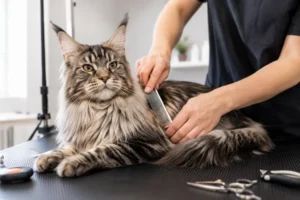
For cat owners, subtle signs like changes in coat condition can be an early clue, which is why maintaining a routine with Cat Grooming in Abu Dhabi is a genuinely valuable part of monitoring their health.
Diagnosis, Treatment, and Prevention
Diagnosis
Your veterinarian will typically run blood tests, urine analysis, or PCR testing to detect Mycoplasma bacteria. In some cases, X-rays or additional lab work may be needed to check how far the infection has spread.
Treatment
Treatment usually involves antibiotics specifically effective against Mycoplasma, since its lack of a cell wall means many common antibiotics won’t work against it. Your vet may also recommend:
- Anti-inflammatory medication to reduce pain or swelling
- Hydration therapy if your pet is dehydrated
- Nutritional supplements to support immunity
Always complete the full treatment course, even if your pet seems better. Stopping early can allow the infection to return.
Prevention & Grooming Tips
- Keep grooming tools clean and disinfected.
- Avoid sharing bowls or bedding with other pets.
- Schedule regular vet checkups for early detection.
- Keep your pet protected from ticks and fleas with safe preventive products.
- Provide a balanced diet to support their immune system.
- Bathe and brush your pet regularly, it’s one of the easiest ways to catch early signs of illness.
Good grooming isn’t just about appearance. It’s a real part of keeping your pet healthy and infection-free.
Frequently Asked Questions
Is Mycoplasma infection contagious between pets?
Yes, it can spread through close contact, shared grooming tools, bowls, or bedding, so isolating an infected pet and disinfecting shared items helps prevent it from spreading to other animals in the home.
Can Mycoplasma infection be cured completely?
Yes, most cases respond well to the correct antibiotics when treatment is followed through completely. Stopping treatment early is the most common reason infections return.
Can Mycoplasma infection spread to humans?
The Mycoplasma species that affect cats and dogs are generally species-specific and are not considered a common risk to humans, but good hygiene practices are always a smart precaution.
How can I tell Mycoplasma apart from a common cold in my pet?
It’s difficult to tell the difference based on symptoms alone, since both can cause sneezing, discharge, and lethargy. A vet visit with proper testing is the only reliable way to confirm what’s actually causing the symptoms.
Conclusion
Mycoplasma infection may sound intimidating, but with early detection, proper care, and consistent grooming, most pets recover fully and stay protected going forward.
As a responsible pet owner in the UAE, staying informed is one of the best things you can do for your furry companion. For a deeper understanding of related conditions, our detailed resource on the Ultimate Guide to Common Pet Health Problems and How to Spot Them Early is worth a read. Watch for warning signs, keep your pet clean and healthy, and visit your vet regularly prevention is always better than cure.