
Mange in cats is caused by mites and leads to itching, irritation, and visible hair loss. It’s rarely life-threatening, but it causes real discomfort, and early treatment makes recovery much faster and easier on your cat.
It usually starts small. A cat scratches a little more than usual. A patch of fur near the ear or neck looks thinner than it should. Most owners assume it’s nothing maybe stress, maybe a rough patch of grooming and wait to see if it clears up on its own. It’s only when the scratching gets more frequent, or the skin starts looking raw, that people start searching for answers.
That delay is common, and it’s understandable. Mange doesn’t always look serious at first. But it can spread and worsen quickly if left untreated, turning a small irritated patch into widespread discomfort for your cat. The earlier it’s caught, the easier and faster the recovery tends to be. Regular pet grooming in Dubai sessions can help catch these early signs before the condition has a chance to spread.
Common signs of mange include:
- Persistent scratching or biting of the skin
- Hair thinning or bald patches
- Red, flaky, or crusty skin
- Sores or scabs that don’t heal
- Constant head shaking (especially if ear mites are involved)
If you notice these symptoms, it’s best to consult a vet or a professional cat grooming service in Dubai for a proper check-up and early treatment.
5 Proven Ways to Treat Mange in Cats Safely
1. Visit the Vet for an Accurate Diagnosis
Before starting any treatment, make sure your cat’s condition is properly diagnosed.
- Mange symptoms can look similar to allergies, ringworm, or flea infestations.
- A vet can confirm whether mites are the cause and identify the type demodectic, notoedric, or sarcoptic mange in cats.
Why it matters: Each type of mange needs different care. A vet’s guidance helps you avoid treatments that could actually worsen your cat’s skin.
2. Use Vet-Approved Medicated Treatments
Your veterinarian may prescribe medicated shampoos, ointments, or spot-on treatments designed to kill mites and soothe the skin.
- These are safe, effective, and formulated specifically for cats.
- Sulfur-based shampoos or lime-sulfur dips are commonly used for mild cases.
- Topical treatments (like selamectin or moxidectin) should only be applied as directed by your vet.
- Continue treatment for the full course, even if symptoms improve early.
Tip: Regular bathing and brushing can help remove dead skin and mites, speeding up recovery.
3. Try Gentle Home Remedies for Comfort
For mild cases, or as supportive care alongside vet treatment, some natural remedies can help reduce itching:
- Apple cider vinegar: Diluted with equal parts water, gently applied to affected areas, may help discourage mites.
- Raw honey: Has natural antibacterial properties and can soothe inflamed skin.
- Coconut oil: Moisturizes the skin and offers mild antimicrobial benefits.
Always test a small area first to check for irritation, and avoid applying anything to broken or raw skin. Never use essential oils or human creams, these can be toxic to cats.
4. Keep Your Cat’s Environment Clean
Mites can survive briefly in your cat’s surroundings, so keeping their space clean matters just as much as treating the cat directly.
- Wash bedding, toys, and grooming tools in hot water.
- Vacuum carpets and furniture frequently.
- Keep your cat indoors until the mange clears to prevent re-infection.
Routine cleaning helps your cat recover faster and protects other pets in the home from catching the mites too.
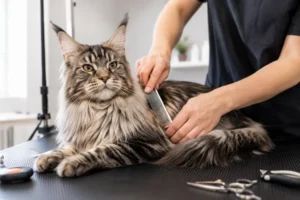
5. Support Skin and Coat Health Through Grooming
Regular grooming plays a real role in both preventing mange and supporting recovery.
- Brushing helps distribute natural oils, remove dirt, and catch early signs of skin problems.
- Consistent grooming supports comfortable healing and helps prevent future outbreaks.
Extra Tips for Mange Prevention
- Keep your cat’s immune system strong with a balanced diet and regular vet visits.
- Avoid contact with stray or infected animals.
- Schedule consistent grooming sessions to maintain coat cleanliness.
- Address any itching or skin irritation early, before it has a chance to worsen.
Frequently Asked Questions
Is mange in cats contagious to other pets or humans?
Some types of mange, like sarcoptic mange, can spread to other animals and occasionally cause mild, temporary irritation in humans. Demodectic mange is generally not contagious. A vet can confirm which type you’re dealing with.
How long does it take for mange to heal in cats?
Mild cases often improve within a few weeks of consistent treatment, while more severe cases can take a month or longer. Sticking to the full treatment course, even after symptoms improve, is important for full recovery.
Can mange in cats go away on its own without treatment?
It’s not recommended to wait it out. Mange can worsen and spread if left untreated, so early diagnosis and treatment lead to a faster, easier recovery.
Are home remedies enough to treat mange in cats?
Home remedies can offer comfort and support healing, but they aren’t a substitute for a proper diagnosis and vet-approved treatment, especially for moderate to severe cases.
Conclusion
Knowing how to treat mange in cats early makes a real difference. While it can look worrying at first, early detection, safe treatment, and consistent grooming care help most cats recover fully and comfortably. Since mange and other skin irritations often overlap, it’s also worth knowing natural home remedies for ticks on cats, especially if your cat is prone to outdoor exposure or skin sensitivity.
Keeping your cat’s coat clean and healthy through regular grooming remains one of the simplest ways to prevent future skin issues and support long-term comfort.