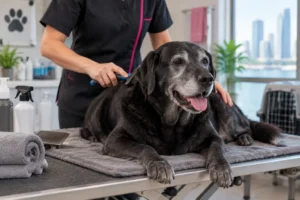

Yellow teeth in dogs are usually plaque and tartar buildup, not just staining. Regular brushing with dog-safe toothpaste, dental chews, and a few diet tweaks can noticeably improve your dog’s teeth within a few weeks, but persistent yellowing, bad breath, or bleeding gums need a vet check.
If you’ve caught your dog yawning lately and noticed their teeth aren’t quite as bright as they used to be, take a breath, this is more common than you’d think, and it’s very fixable. Most of the time, it’s not staining at all. It’s tartar, plaque that’s hardened over time, and it just means your dog’s dental routine needs a little more attention.
The good part is that once you know what you’re dealing with, the fix is simple. A consistent brushing habit, the right chews, and a few small diet adjustments can make a real difference within just a few weeks. Some of what works best here comes from routines followed at Pet Grooming Abu Dhabi, where dental checks are treated as a normal part of every grooming visit, not an extra step.
In this guide, I’ll walk you through why dog teeth turn yellow and the safest, most effective ways to handle it at home, so you can feel confident the next time your dog flashes that yawn.
Why Do Dog Teeth Turn Yellow?
- Plaque and tartar buildup: Food particles and bacteria accumulate over time, forming a yellowish layer on teeth.
- Dietary habits: Dogs who eat soft food or table scraps are more prone to discoloration.
- Age: Older dogs naturally develop more plaque and tartar.
- Health issues: Certain illnesses can affect oral hygiene and cause discoloration.
Regularly check your dog’s mouth for early signs of dental problems. Yellow teeth aren’t just cosmetic, they can point to underlying oral health issues.
Tools You Need for Cleaning Yellow Dog Teeth at Home
- Dog toothbrush: Soft-bristled brushes designed for dogs minimize gum irritation.
- Dog toothpaste: Never use human toothpaste ingredients like fluoride and xylitol can be toxic to dogs.
- Dental chews: Help reduce plaque and tartar naturally through chewing.
- Water additives (optional): Dog-safe oral rinses can complement brushing by reducing bacteria.
Avoid DIY whitening tricks like baking soda or vinegar, they don’t work well on canine tartar and can upset your dog’s stomach or damage enamel. Stick to products made specifically for dogs.
Step-by-Step Guide to Cleaning Yellow Dog Teeth
1. Prepare Your Dog
- Choose a calm environment.
- Gently lift your dog’s lips to examine their teeth.
- Reward them with praise or treats to build a positive association.
2. Brushing Technique
- Apply a light coating of dog-safe toothpaste to the brush.
- Brush in gentle, circular motions, focusing on the gum line and yellow areas.
- Aim for 2–3 minutes per session, 2–3 times a week.
3. Use Dental Chews and Toys
- Offer chews designed to reduce tartar and strengthen teeth.
- Chewing mechanically removes plaque from the tooth surface.
4. Diet Adjustments
- Add dry kibble or dental-specific dog food to reduce plaque buildup.
- Avoid sugary treats, which contribute to yellowing and decay.
From my experience with Jacky, staying consistent with these steps — along with tips I picked up through Dog Grooming in Abu Dhabi made a real difference in how clean and healthy his teeth look.
When to See a Vet
- Persistent yellow or brown buildup that doesn’t improve with home care
- Bad breath, bleeding gums, or pain while chewing
- Loose or missing teeth
A vet can perform a professional cleaning and check for underlying dental disease. Routine vet visits also support your dog’s overall health.
Additional Tips for Maintaining Healthy Dog Teeth
- Schedule regular at-home brushing sessions.
- Rotate dental chews and toys to keep your dog interested.
- Avoid hard bones or antlers that can crack teeth.
- Watch for swelling, redness, or bleeding in the mouth.
Dental issues can sometimes show up alongside other grooming-related changes, so it’s worth staying alert to broader signs your dog needs attention like changes in nail length or condition, which can also signal it’s time for a full grooming check-up.
Frequently Asked Questions
Can yellow dog teeth be reversed at home?
Mild plaque and early tartar can often be improved with consistent brushing, dental chews, and diet changes. Heavier tartar usually needs a professional cleaning.
How often should I brush my dog’s teeth?
2–3 times a week is a good baseline for most dogs. Daily brushing is even better if your dog tolerates it well.
Is it normal for older dogs to have yellow teeth?
Some yellowing is common with age, but persistent buildup, bad breath, or gum changes should still be checked by a vet.
What should I avoid using to clean my dog’s teeth?
Never use human toothpaste, baking soda, or vinegar. Stick to products made specifically for dogs.
Conclusion
Cleaning yellow dog teeth at home is achievable with patience, the right tools, and consistent care. Regular brushing, a good diet, and dental chews can help your dog maintain a healthier, brighter smile. Keep an eye out for warning signs, and don’t hesitate to consult your vet when something seems off. With a little effort, you can keep your dog’s teeth strong, clean, and free from yellowing.