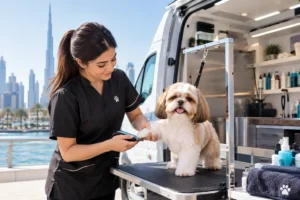

In my years on the grooming table, a swollen eye is one of those things that makes owners panic almost instantly, and for good reason. I remember a client’s Shih Tzu, Max, coming in for a routine trim and his owner mentioning, almost as an afterthought, that one of his eyes looked a little puffy that morning. By the time I looked closer, it was clear this wasn’t something to brush off.
Over the years, I’ve seen eye swelling in dogs far more often than most owners expect, and while some cases turn out to be minor irritation from dust or grooming products, others point to something that needs a vet’s attention right away. Working closely with clients in Dubai, I’ve found that regular check-ups paired with consistent pet grooming in Dubai sessions make a real difference in catching these issues early, often before an owner even notices anything is wrong.
In this post, I’ll share what I’ve learned from grooming tables and vet conversations over the years, including what happened with Max, along with actionable tips to help you care for your dog’s eye health.
Common Causes of Swollen Eyes in Dogs
Understanding why your dog’s eye is swollen is the first step in addressing it. From my personal experience and consultations with veterinarians, the most frequent causes include:
1. Allergies
Just like humans, dogs can react to allergens in their environment. I noticed Max’s eye swelling often coincided with springtime pollen or dusty areas. When I was in Dubai, I found that regular visits to the Dog Grooming in Dubai helped keep his eyes clean and reduce irritation. Common signs include:
- Redness around the eye.
- Watery discharge.
- Itchiness or pawing at the eye.
2. Infections
Eye infections, whether bacterial or viral, can cause swelling. In Max’s case, a vet diagnosed conjunctivitis, which required antibiotic eye drops. Look out for:
- Thick yellow or green discharge.
- Crusting around the eyelids.
- Squinting or sensitivity to light.
3. Injuries
Dogs are active and curious, so eye injuries from scratches, fights, or foreign objects are common. Max once ran through the garden and got a tiny twig in his eye. Symptoms include:
- Sudden swelling.
- Blood in the eye or around the eyelids.
- Signs of pain when touched.
4. Eyelid or Eye Growths
Sometimes, swelling can be caused by cysts, tumors, or growths. These are less common but should be checked promptly. I’ve learned that early detection can prevent complications.
What You Should Do Immediately
When I first saw Max’s swollen eye, I panicked but quickly remembered the essential steps:
- Assess the severity: Check if your dog is in pain, has vision problems, or shows other unusual behavior.
- Avoid self-medicating: Never use human eye drops or medications without veterinary advice.
- Clean gently: Use a damp, clean cloth to wipe away discharge, but avoid rubbing.
- Prevent further irritation: Keep your dog from pawing the eye by using an Elizabethan collar if needed.
Tip: If the swelling appears suddenly, worsens quickly, or your dog shows signs of distress, seek veterinary care immediately. Eye injuries can become serious fast.
Treatment Options and Care at Home
Depending on the cause, treatment may vary. Here’s what worked in my experience and what vets often recommend:
- For allergies: Your vet may suggest antihistamines or specialized eye drops. Reducing exposure to allergens can also help.
- For infections: Antibiotic or antiviral eye drops are usually prescribed. I had to administer Max’s drops three times a day, which required patience.
- For injuries: Vet examination is crucial to remove debris and prevent infection. Sometimes, anti-inflammatory medication is prescribed.
- For growths: Surgical removal may be necessary. Early consultation is key to preventing long-term problems.
Home care tips:
- Keep your dog’s bedding clean to avoid additional irritation.
- Monitor for signs of worsening, such as excessive discharge or vision changes.
- Follow all medication instructions carefully.
Prevention and Regular Eye Care
From my experience, regular eye care can prevent many issues. I developed a simple routine for Max:
- Inspect your dog’s eyes daily for redness, swelling, or discharge.
- Wipe around the eyes with a damp cloth to remove dust and debris.
- Schedule routine veterinary check-ups to catch problems early.
- Avoid exposure to known allergens when possible.
Conclusion
Seeing your dog’s eye swollen can be worrying, but understanding the causes and knowing what to do makes a huge difference. Early attention, proper care, and veterinary guidance ensure your dog stays healthy and comfortable. I learned that patience, vigilance, and regular care, like keeping up with ways to clean yellow dog teeth, helped Max recover quickly and prevented further complications. Always remember: when in doubt, a vet visit is the safest option for your furry friend.
Frequently Asked Questions
Is a swollen eye in dogs an emergency?
It can be. If the swelling appears suddenly, worsens quickly, or your dog shows signs of pain or distress, treat it as urgent and see a vet right away. Milder cases from allergies or dust can often be managed at home first, but it’s always safer to check with a vet if you’re unsure.
What’s the most common cause of eye swelling in dogs?
Allergies and mild infections tend to be the most common causes, especially with symptoms like redness, watery discharge, or pawing at the eye. Injuries and, less commonly, growths can also cause sudden swelling.
Can I use human eye drops on my dog?
No. Never use human eye drops or medication on a dog without veterinary advice — some ingredients that are safe for people can be harmful to dogs. Always get a proper diagnosis first.
How can I tell if it’s an infection versus allergies?
Infections often come with thick yellow or green discharge, crusting around the eyelids, and squinting. Allergies tend to cause redness, watery discharge, and itchiness without the thick discharge. A vet visit is the only way to know for sure.
How can I prevent eye problems in my dog?
Daily inspection, gently wiping around the eyes to remove dust and debris, routine vet check-ups, and reducing exposure to known allergens all go a long way in catching problems early before they become serious.